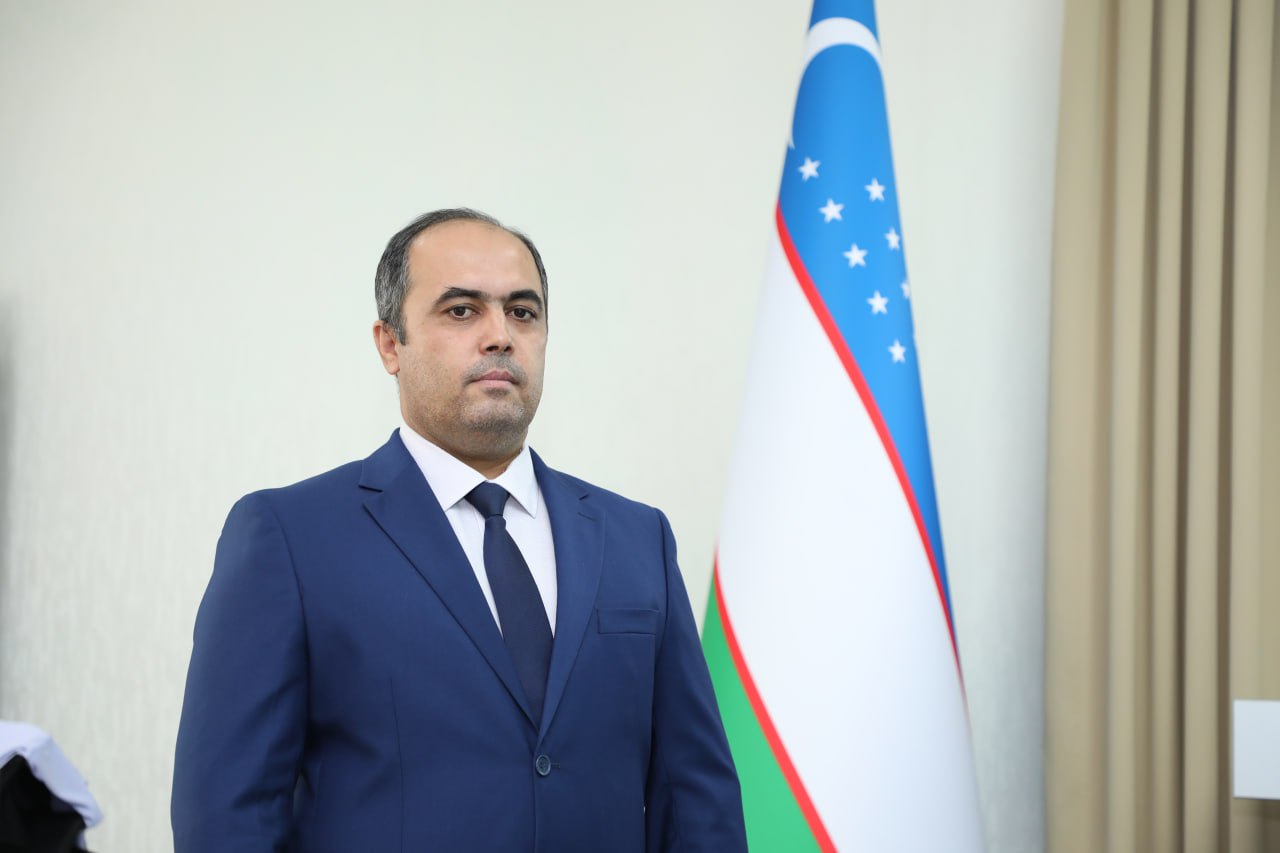
 By Akmal Murodov
Head of the Press Service of “Uzsuvtaminot” JSC
Ensuring access to clean drinking water and improving sanitation services remain top priorities in Uzbekistan’s ongoing socio-economic development agenda. These efforts are not only critical for public health but also for improving the living conditions of millions and fostering sustainable regional development. In this context, cooperation with international financial institutions (IFIs) has emerged as a strategic pillar for transforming the country’s water infrastructure.
Robust Progress in 2024
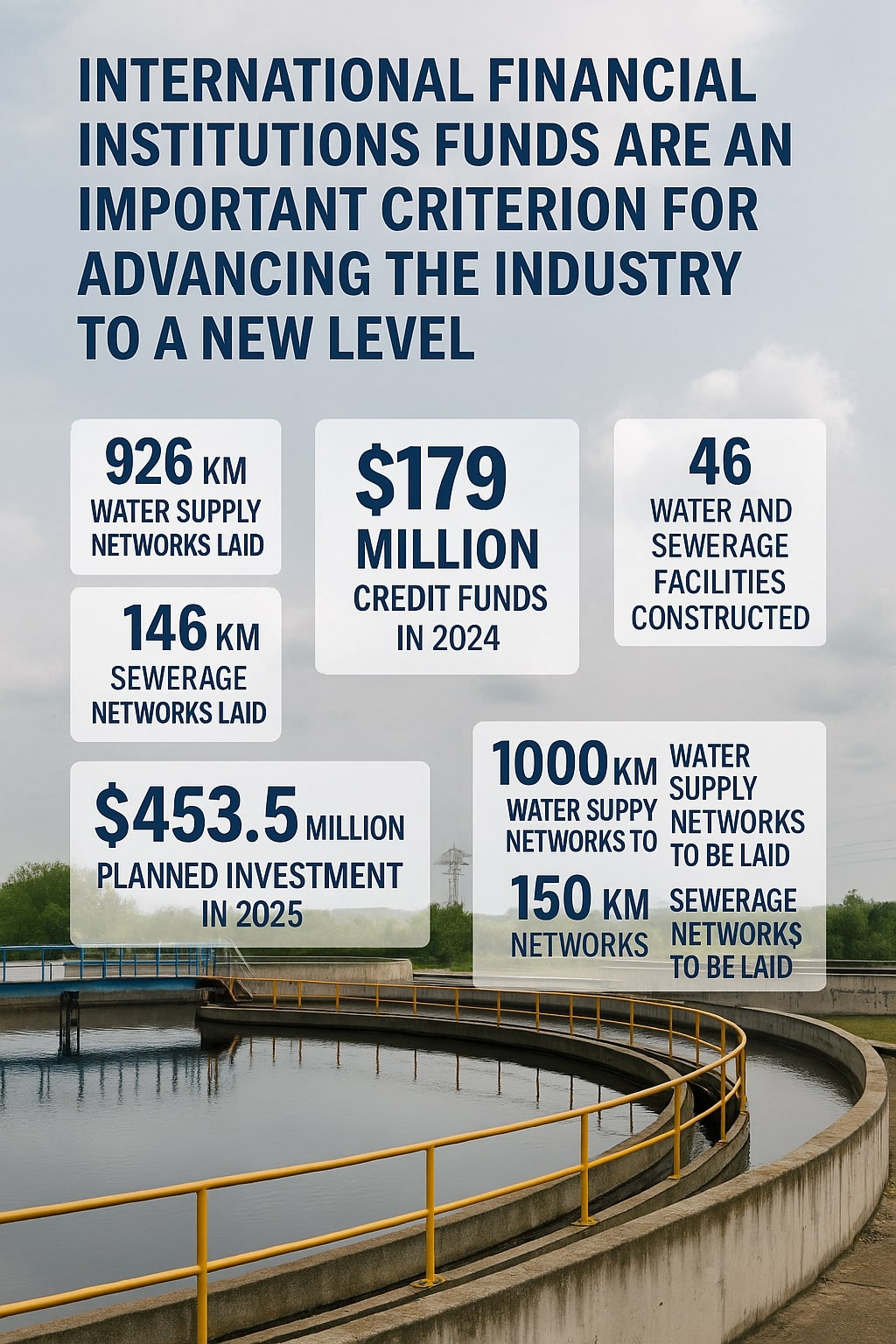
In 2024 alone, 20 major projects focused on expanding water supply and sanitation systems were implemented across the country. These initiatives were backed by $179 million in state-guaranteed credit funds, surpassing planned targets by 104.5%.
Key financial contributors included:
- Asian Development Bank (ADB) – $90.6 million
- European Bank for Reconstruction and Development (EBRD) – $24.1 million
- Saudi Fund for Development and OPEC Fund – $21.2 million
- World Bank – $8.4 million
- SUEZ (France) – $26.0 million
These investments were geographically distributed across several regions, including:
- Republic of Karakalpakstan – $23.0 million
- Tashkent region – $69.1 million
- Namangan region – $17.5 million
- Kashkadarya region – $15.6 million
- Khorezm region – $11.0 million
- City of Tashkent – $28.1 million
Tangible Results on the Ground
By the end of 2024, the following infrastructure outcomes were achieved:
- 926 km of new water pipelines laid
- 146 km of sewerage systems installed
- 46 major water and sanitation facilities constructed or modernized
Notably, with support from ADB, a wastewater treatment plant with a 30,000 m³/day capacity is under construction in Jizzakh. Meanwhile, Islamic Development Bank–funded facilities in Gulistan, Shirin, and Yangiyer (41,000 m³/day capacity) now provide centralized drinking water to 288,000 residents and sanitation services to 255,000.
Ambitious Targets for 2025
Looking ahead, Uzbekistan plans to attract $453.5 million in foreign investments for 21 new and ongoing projects in 2025—2.5 times the amount mobilized in 2024.
Of this amount:
- $160.7 million (35%) will fund ongoing projects
- $292.8 million (65%) will go toward newly tendered projects
The 2025 targets include:
- 1,000 km of water pipelines
- 150 km of sewer networks
- Construction of 46 new water and sanitation facilities
With these developments, centralized drinking water coverage is expected to rise to 82.8%, and sewerage services to 22.3% by the end of 2025.
Public-Private Partnerships and the Way Forward
Beyond public financing, Uzbekistan is actively promoting public-private partnerships (PPPs) to enhance sector efficiency and attract innovative technologies. Projects totaling $3.2 billion are currently in development.
Key partnerships include:
- With SWS Holding (UAE) – to build the modern “Surum” sewage treatment plant in Tashkent region
- With SUEZ (France) – to modernize Surkhandarya’s water supply network
- With Hassan Allam Holding (Egypt) – to build sewerage systems across Samarkand region
These efforts are part of a broader vision to ensure environmental sustainability, improve public health, and align Uzbekistan with global best practices in water management.
Conclusion
International financial institutions have proven to be critical allies in Uzbekistan’s push to modernize its water infrastructure. Through continued strategic partnerships, investment attraction, and the adoption of cutting-edge technologies, the country is laying the foundation for a healthier, more sustainable future. The work is far from over—but the trajectory is clear and promising.