Water INFRASTRUCTURE in Uzbekistan.. Advancing Reforms & Stratigic Future Planning!

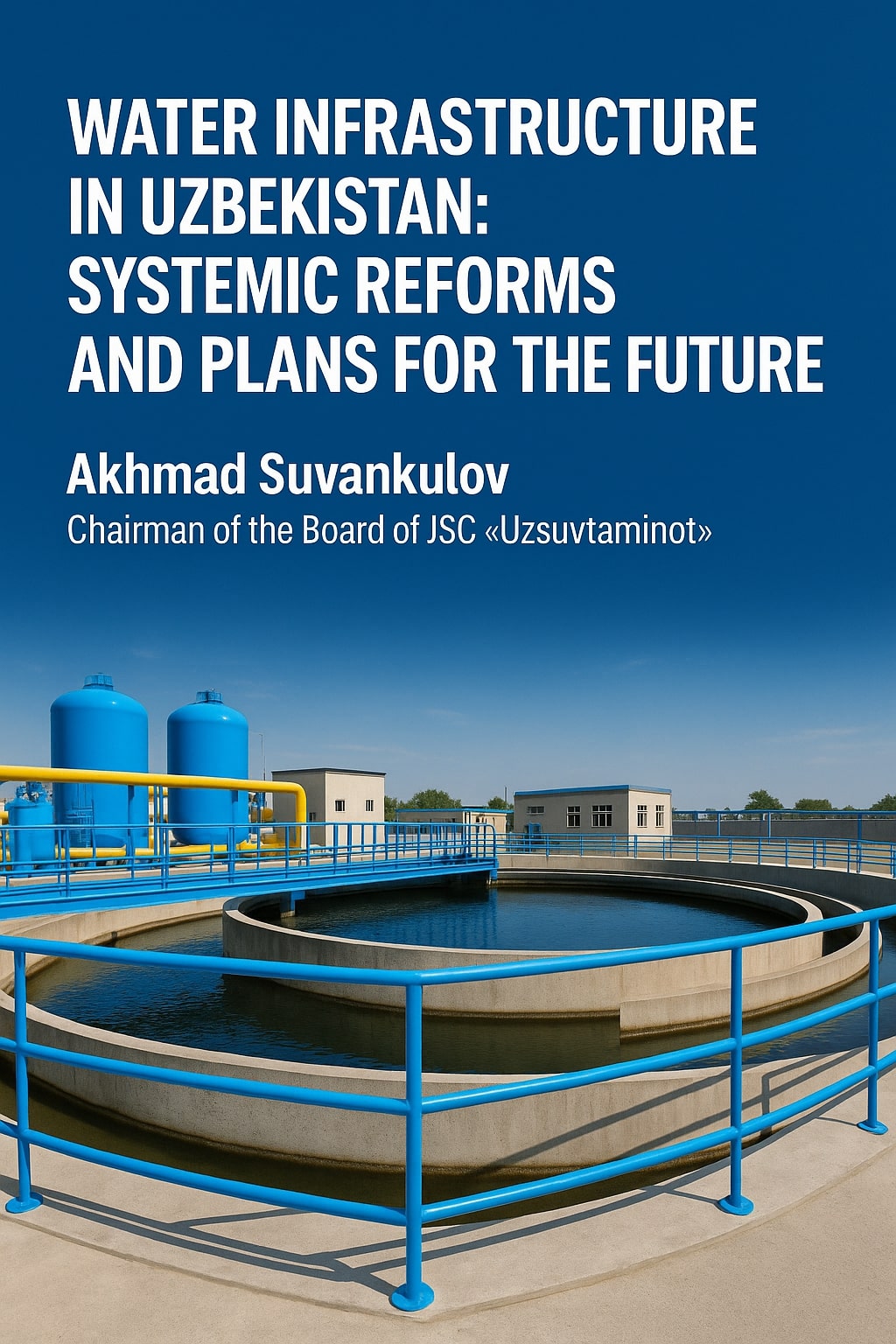
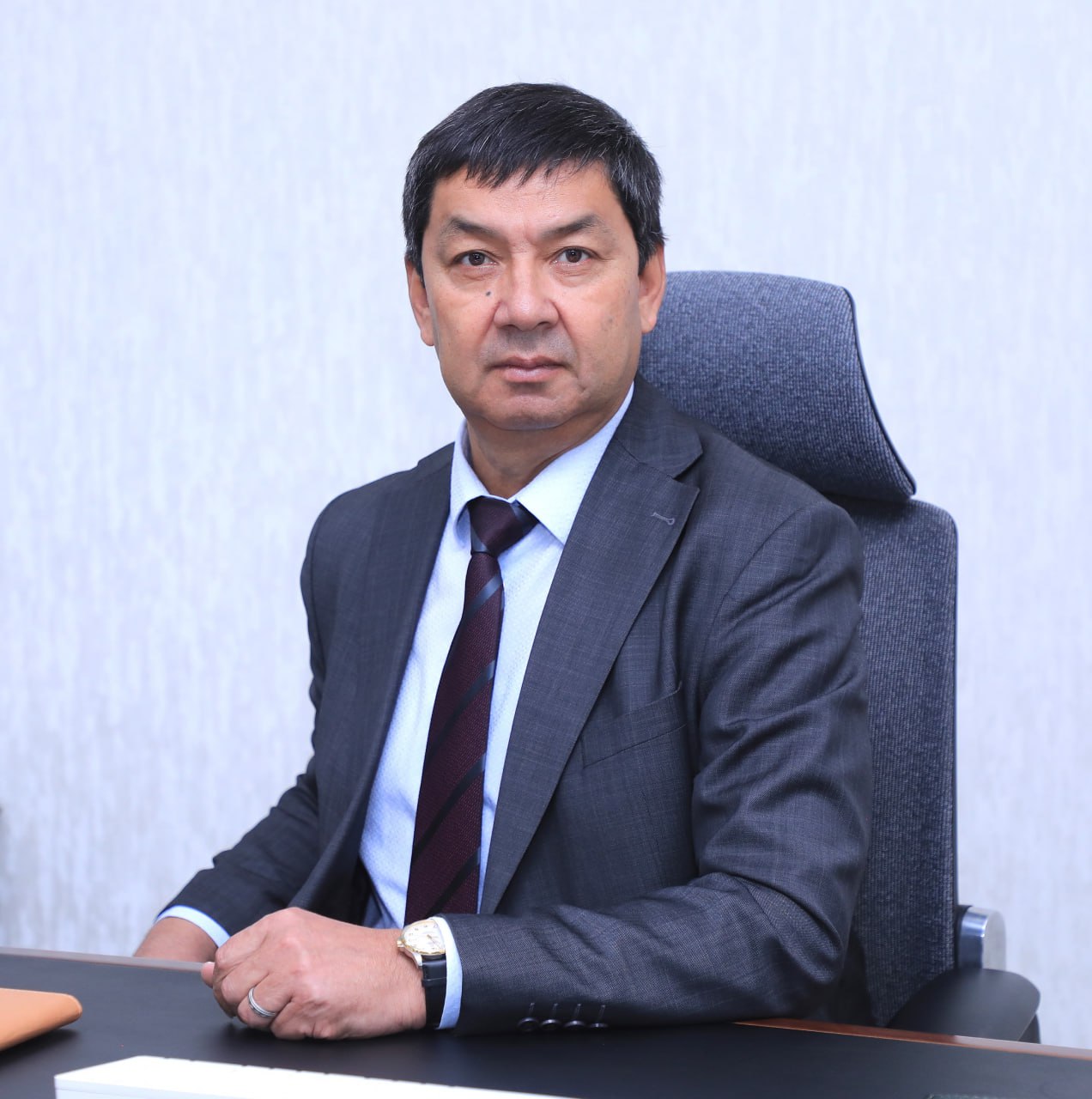 Akhmad Suvankulov writes ✍️
Chairman of the Board, JSC “Uzsuvtaminot”
Access to safe and sustainable drinking water and sanitation services is a fundamental pillar of public health and quality of life. In Uzbekistan, this sector has been prioritized as a key national development focus, with far-reaching reforms launched to modernize infrastructure, improve service coverage, and attract investment.
Over the past eight years, investments totaling 27.5 trillion soums have been directed toward this sector, including 16.5 trillion soums from the state budget and over $1 billion in funding from international financial institutions. These efforts enabled the construction of 3,627 water infrastructure facilities and the installation of 40,600 kilometers of water supply and sewerage networks.
As a result, 4.9 million citizens gained centralized drinking water access for the first time, and service quality was improved for an additional 11.5 million people. Furthermore, 1.1 million residents were connected to sewerage systems. National coverage for drinking water rose from 63% to 80.9%, while sewerage service access increased from 17.2% to 20.9%.
Numerous regional flagship projects illustrate the success of these reforms. In the Surkhandarya region, the Tupalang Reservoir project extended 147 kilometers of pipeline, significantly enhancing water supply for 141,000 residents across four districts. In Jizzakh, the utilization of Zarafshan River resources improved access for 286,000 residents. The Oksuv-Dekhkanabad project in Kashkadarya connected 76,000 people to centralized water systems, raising coverage in Dekhkanabad district from 1.8% to 51.7%.
In Tashkent, the reconstructed Kodiriya water facility brought first-time access to 8,000 residents and improved supply for 265,000 more. In the Bukhara region’s Olat and Karakul districts, 275,000 people gained access, increasing coverage to 74%.
The sector is also undergoing a digital transformation. The unified billing system “UzWater” replaced five outdated platforms, streamlining customer payment services and boosting transparency. A consumer portal enables real-time access to account history, online payments, and meter reading submissions. Geographic Information System (GIS) mapping has been introduced to consolidate infrastructure data. Full GIS databases have already been implemented in Chirchik, Nurafshan, and Akhangaron, with further expansion underway.
New facilities are integrating SCADA systems to allow remote monitoring and automatic control. Currently being deployed in Tashkent, Bukhara, and Jizzakh, these systems enhance oversight, efficiency, and emergency responsiveness. Additionally, the “Water Lab” digital platform is being introduced to upgrade laboratory capacity and improve drinking water safety.
International partnerships have also played a central role. Following President Shavkat Mirziyoyev’s historic visit to France, a two-stage modernization program was launched with SUEZ to upgrade the Surkhandarya region’s infrastructure. The first phase includes SCADA installation, GIS mapping of 3,500 kilometers of pipelines, the deployment of 3,100 meters and 15 flow control devices, and training for 450 local specialists. The second phase will transition to a public-private partnership (PPP), selected through a Swiss Challenge tender model, with full operational management to be handed to the private sector. This is expected to raise regional drinking water coverage to 90%.
In 2024 alone, 7 trillion soums were allocated to the sector, including 1.1 trillion from the state budget and $454 million from international institutions. Planned activities include:
- Construction of 23 water facilities;
- Installation of 139 water-lifting and distribution stations;
- Laying 2,140 kilometers of new pipelines;
- Installation of 225,000 water meters.
These investments will enable 712,000 residents to gain drinking water access for the first time and connect 135,000 households to sewerage systems. By year’s end, drinking water coverage is projected to reach 82.8%, and sewerage coverage 22.3%.
Looking to 2025–2029, Uzbekistan will implement a $125 million project in partnership with the Asian Development Bank focused on climate-resilient water resource management. Project highlights include:
- Installation of 4,838 ultrasonic meters and 2,861 data transmission devices;
- GIS integration across 80,000 kilometers of water and sewerage networks, covering 12,700 infrastructure units;
- Establishment of 15 regional data centers and a national situation center.
These initiatives will enable real-time monitoring, reduce technical water losses by 5%, and establish a centralized system for data-driven decision-making and emergency response.
In another innovative collaboration, the UAE’s Envirol company will invest $50 million to modernize wastewater disposal systems. Grease traps will be installed at food establishments, and collected waste will be processed into soap and lubricants—an effort that will reduce pressure on sewerage systems while promoting environmental and economic efficiency.
In conclusion, Uzbekistan is pursuing bold, systemic reforms to modernize water infrastructure, enhance digital governance, and foster strategic international partnerships. These measures are improving the quality of life for millions and laying a solid foundation for sustainable environmental and economic development nationwide.