 Chief editor writes ✍️
Introduction: From Gaza to Tehran – A Chain of Escalation
While the blood of innocent civilians in Gaza still runs fresh and cries of children under the rubble echo through the region, the Middle East is now entering a more dangerous turning point. With ongoing military operations in Gaza and rising tensions surrounding assassination attempts on key figures like Ismail Haniyeh and Sayyed Hassan Nasrallah, renewed questions emerge:
Has Iran lost its previous ability—or will—to respond forcefully? Is it merely offering symbolic political condemnations in an attempt to preserve its image among its allies and citizens? Or is a new phase being quietly orchestrated, unlike any the region has witnessed in decades?
Egypt’s Position and Diplomatic Engagement
Within this context, Egypt’s Foreign Minister Dr. Badr Abdel Aati received phone calls on Friday, June 13, from the foreign ministers of France, Greece, Cyprus, and Iraq. These communications reflect a shared concern over the recent Israeli strikes on Iranian territory.
Minister Abdel Aati stressed that the attacks represent a dangerous escalation and a blatant violation of international law, underlining the need to avoid the slide toward open warfare and to uphold the sovereignty of states.
The Arab League’s Response
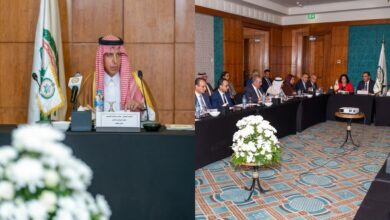
In a parallel diplomatic move, the Arab League issued a strong condemnation of the Israeli strikes and urged the international community to take immediate action to de-escalate the situation, warning that continued aggression could spark a wider regional conflict.
Iran’s Response: Anger Without Action?
Notably, Iran has so far refrained from mounting a direct military response, opting instead for traditional condemnatory rhetoric. This raises a critical question:
Has Tehran lost the deterrent edge it once possessed, or are regional calculations and international pressures dictating a more cautious, calculated approach?
Did the Strike Reflect Trump’s Gulf Statement?
It’s worth recalling that during his recent visit to the Gulf, former U.S. President Donald Trump claimed that several Arab states had “asked him to strike Iran hard,” while “Qatar was the only country to oppose it.” Could today’s Israeli strike be an extension of that mindset? Are we witnessing an unspoken regional alignment aimed at pressuring Tehran during a moment of strategic vulnerability?
Nuclear Arsenal: A Regional Imbalance and Arab Silence
Amid these growing tensions, an often-ignored but pivotal question arises again:
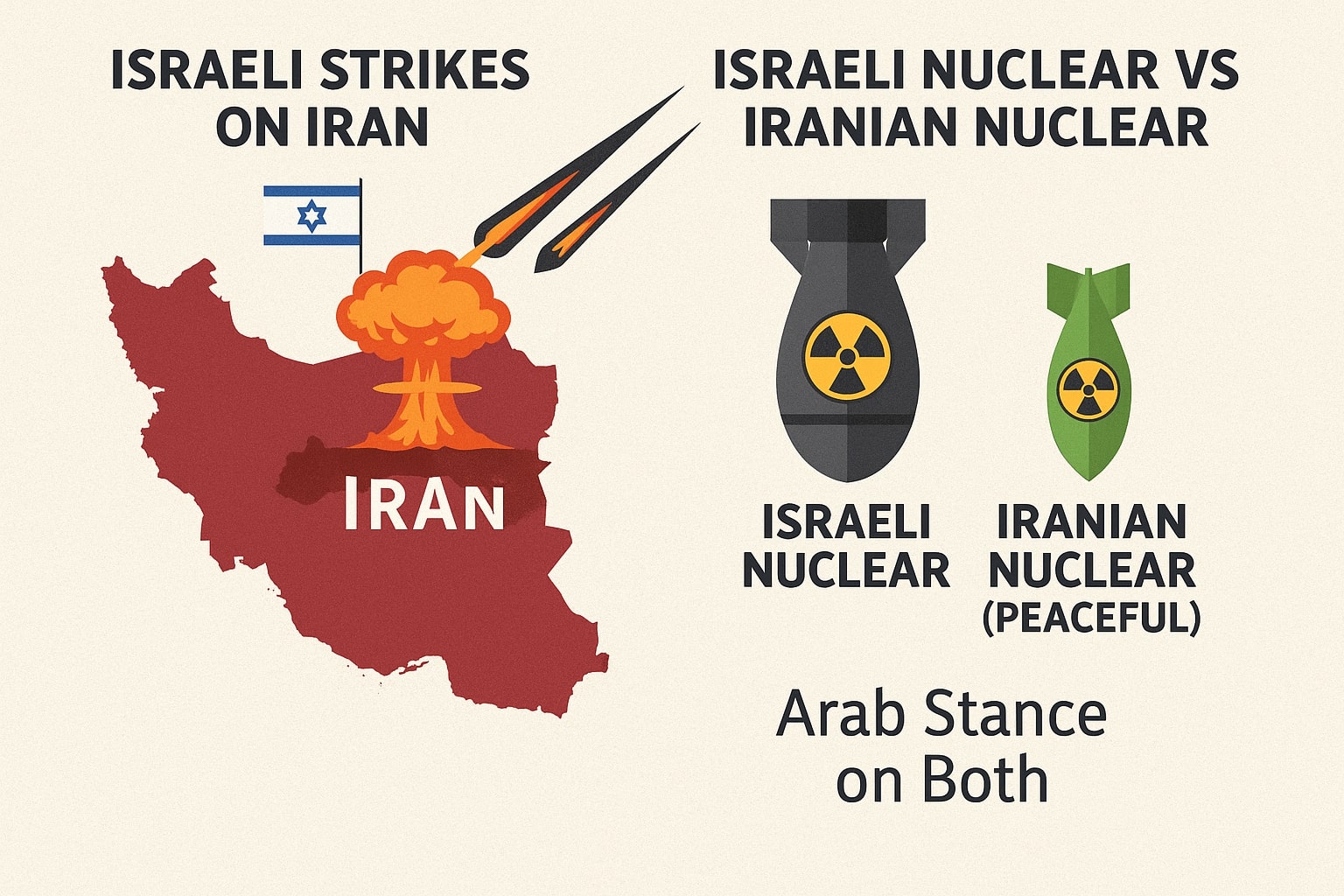
How does Israel’s undeclared nuclear arsenal compare to Iran’s peaceful nuclear program?
While Iranian facilities are subject to strict IAEA oversight, Israel’s capabilities remain unchecked. Estimates suggest Tel Aviv holds between 80 to 90 nuclear warheads—making it the sole undeclared nuclear power in the Middle East.
Yet Arab reactions diverge dramatically: Iran’s nuclear pursuits are met with deep regional skepticism, while Israel faces little pressure to disclose or disarm.
This double standard highlights the imbalance in nuclear discourse and grants Israel a strategic upper hand, free from accountability or scrutiny.
Conclusion: A Region on the Edge
In light of these developments, the Middle East appears to be at a pivotal crossroads, where deterrence, diplomacy, and fragile alliances are in flux. The looming question remains: Are we on the brink of a broader conflict, or will diplomacy prevail before the region plunges into irreversible chaos?