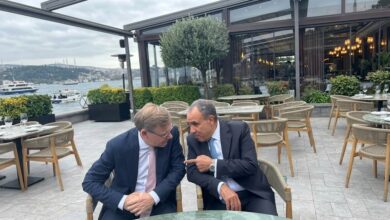
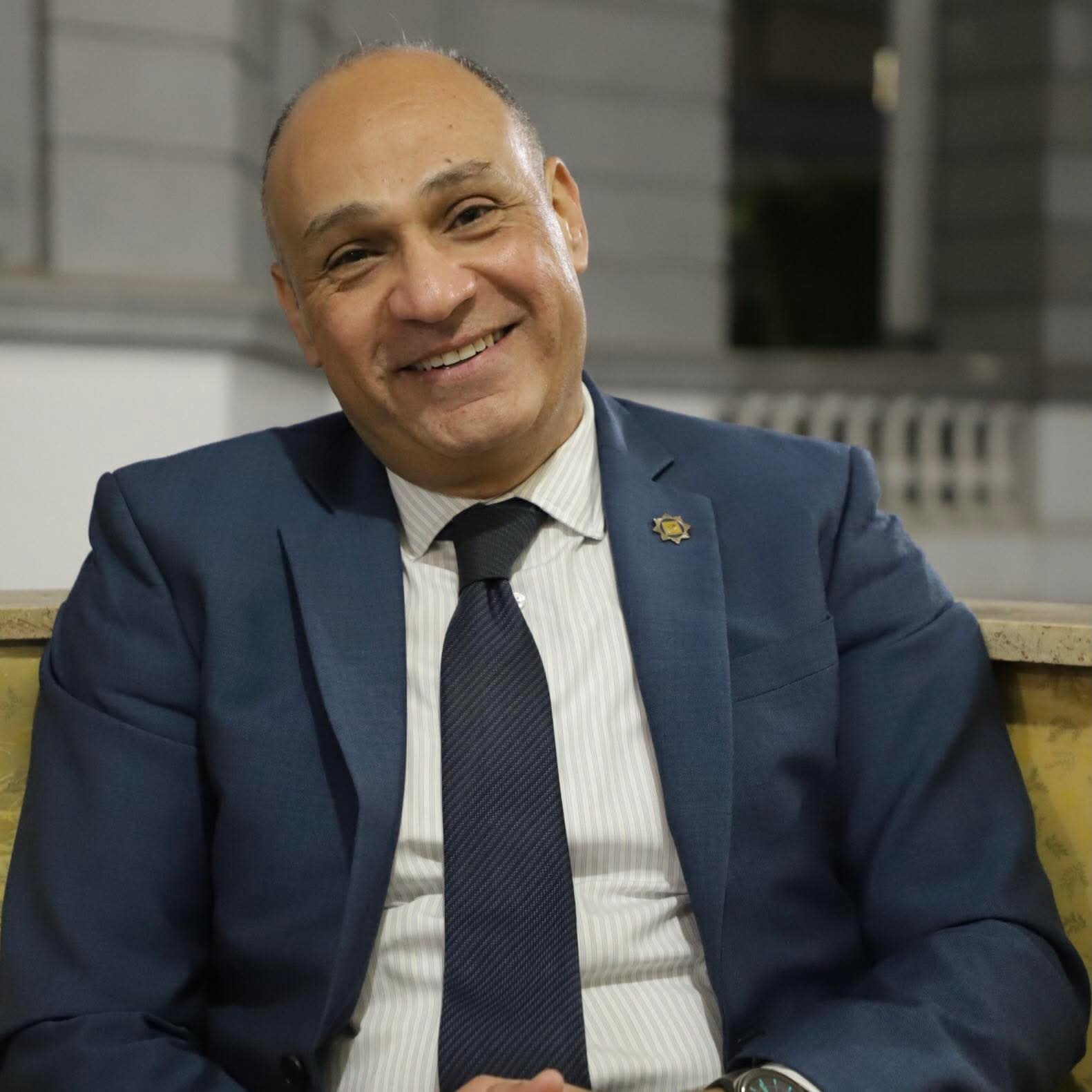
 St. Petersburg – Amr Yehia
On the opening day of the St. Petersburg International Economic Forum (SPIEF), a special session was held to examine real-world business strategies and lessons from the experience of Russian companies operating in the Arab world and Africa—spotlighting opportunities for enhanced economic cooperation between Russia and Egypt.
Speakers stressed the importance of building trust-based, long-term partnerships and the need for a deep understanding of local market dynamics to ensure successful ventures in the region.
Ahmed Barai, Executive Director of the Egyptian Exporters Association, emphasized the need to acknowledge the diversity and complexity of Middle Eastern and African markets, stating:
“You can’t do business in Tunisia or Morocco without a contract. The Middle East is extremely diverse—comparing Iraq to other countries is like comparing apples to oranges.”
Barai identified the most promising sectors for Russian–Egyptian cooperation, including:
- Textiles and garments
- Information and communications technology (ICT)
- Furniture manufacturing
- Chemical fertilizers and plastics
- Construction materials such as granite and cement
He also offered a practical roadmap for Russian entrepreneurs navigating the region:
“Don’t buy fish in fresh water. Be clear about your goals, connect with the right people, and don’t rely solely on advice from friends or colleagues. Find a partner who won’t leave you halfway.”
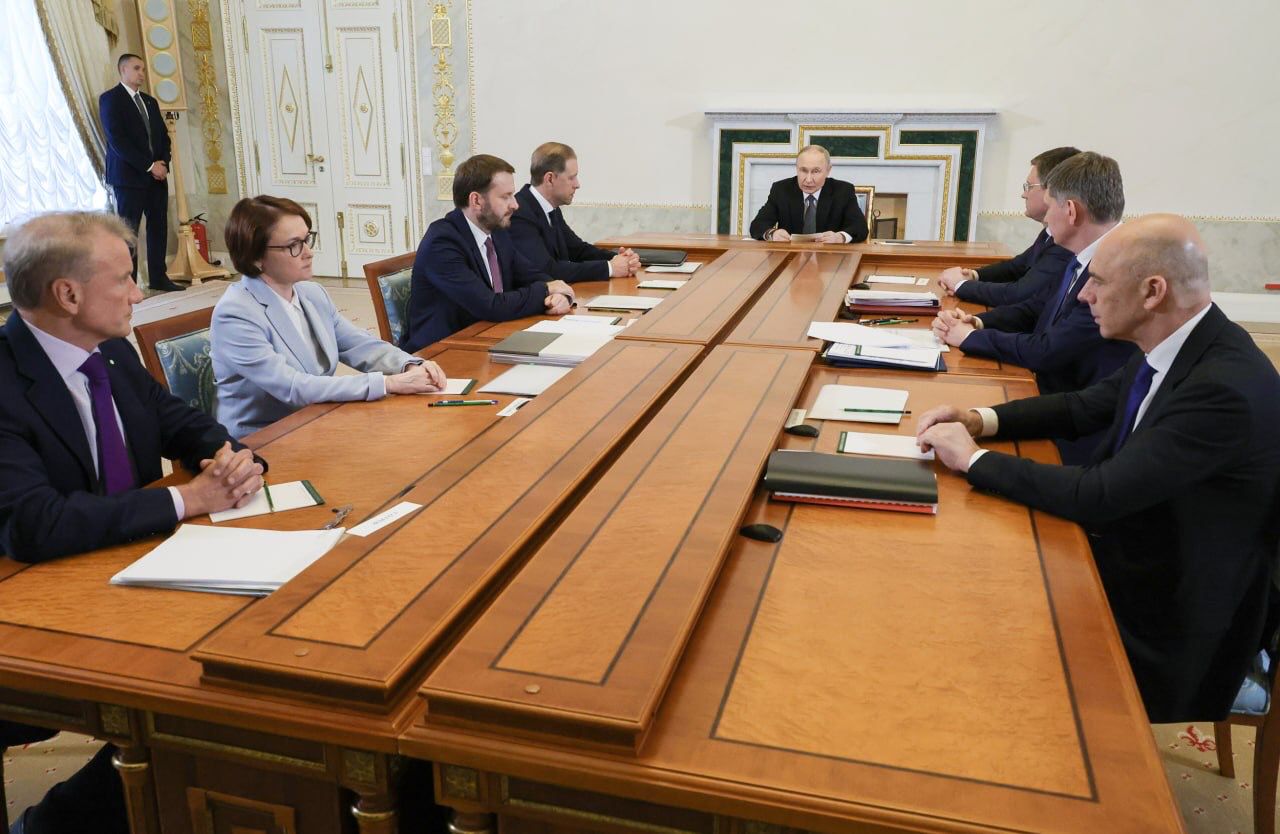
Earlier in the day, President Vladimir Putin arrived in St. Petersburg, where he chaired an initial high-level meeting on the sidelines of the forum to review Russia’s current economic priorities.
In his remarks, President Putin underscored that:
“Our foremost and most important task is to improve the quality of people’s lives, to develop our cities and communities, enhance healthcare and education, and address environmental challenges.”
He further noted that achieving these goals requires close monitoring of macroeconomic conditions, both domestically and internationally. Based on this analysis, he proposed a discussion of short-term economic options and potential legislative amendments aimed at strengthening Russia’s economy, social services, and regional development.