 Chief editor writes ✍️
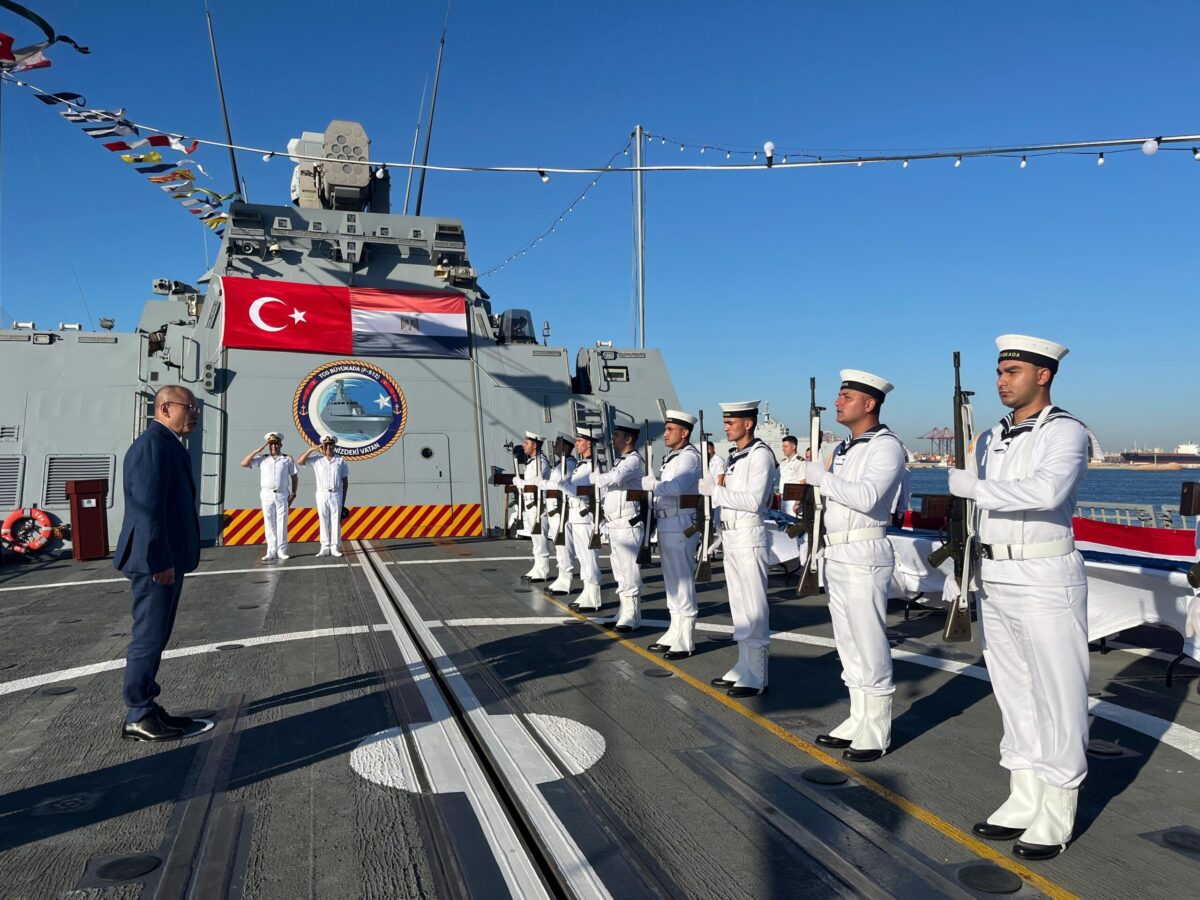
When a modern Turkish warship docks at Alexandria’s historic port, wrapped in military ceremonies and attended by senior Egyptian naval commanders and diplomats, the scene speaks volumes. This is not just a naval courtesy stop — it is a calculated gesture reflecting a broader political message and a mutual search for common ground.
The visit of TCG Büyükada, Turkey’s second indigenously-built warship, goes beyond military showmanship. It marks a strategic attempt by Ankara to rekindle ties with Cairo, following a decade-long diplomatic freeze, by anchoring cooperation in mutual interests and shared history.
I. The Visit Unfolds: Diplomacy at Sea
As part of a three-month mission through the Indian Ocean culminating in a stopover in Alexandria on July 7, TCG Büyükada was received with military honors. Turkish Ambassador to Egypt Salih Mutlu Şen toured the vessel and hosted a formal reception on board, attended by:
- Egyptian Navy commanders
- Members of Egypt’s Senate, including the Chairman of the Foreign Affairs Committee
- Foreign consuls based in Alexandria
- Civil society figures and journalists
During his speech, Ambassador Şen expressed Turkey’s readiness to engage in military and defense industrial cooperation with Egypt, including an ambitious proposal: co-producing naval ships like Büyükada in Alexandria shipyards.
II. Converging Interests: New Bridges Across the Mediterranean
1. Defense Cooperation
Turkey’s proposal to co-build warships with Egypt is more than a technical offer — it’s a strategic move that reflects trust-building and technology sharing. Both countries are expanding their naval capabilities and could benefit from joint innovation.
2. Securing the Eastern Mediterranean
Cairo and Ankara face common threats: irregular migration, maritime insecurity, and transnational crime. Cooperation at sea could yield operational benefits for both navies in ensuring stability in this volatile region.
3. Access to Africa
As Egypt serves as a northern African gateway, and Turkey expands its influence in Sub-Saharan Africa, joint projects in infrastructure, energy, and agricultural technology can serve both nations’ long-term strategic goals.
III. Points of Tension Still in Play
While the tone is shifting, certain issues remain contentious:
1. Libya
Egypt and Turkey back rival political forces in Libya. Their diverging visions for the country remain a fundamental obstacle to deeper alignment.
2. Maritime Boundary Disputes
Turkey’s maritime deal with Libya is rejected by Cairo, which favors agreements with Greece and Cyprus. This is a lingering sore point in Eastern Mediterranean geopolitics.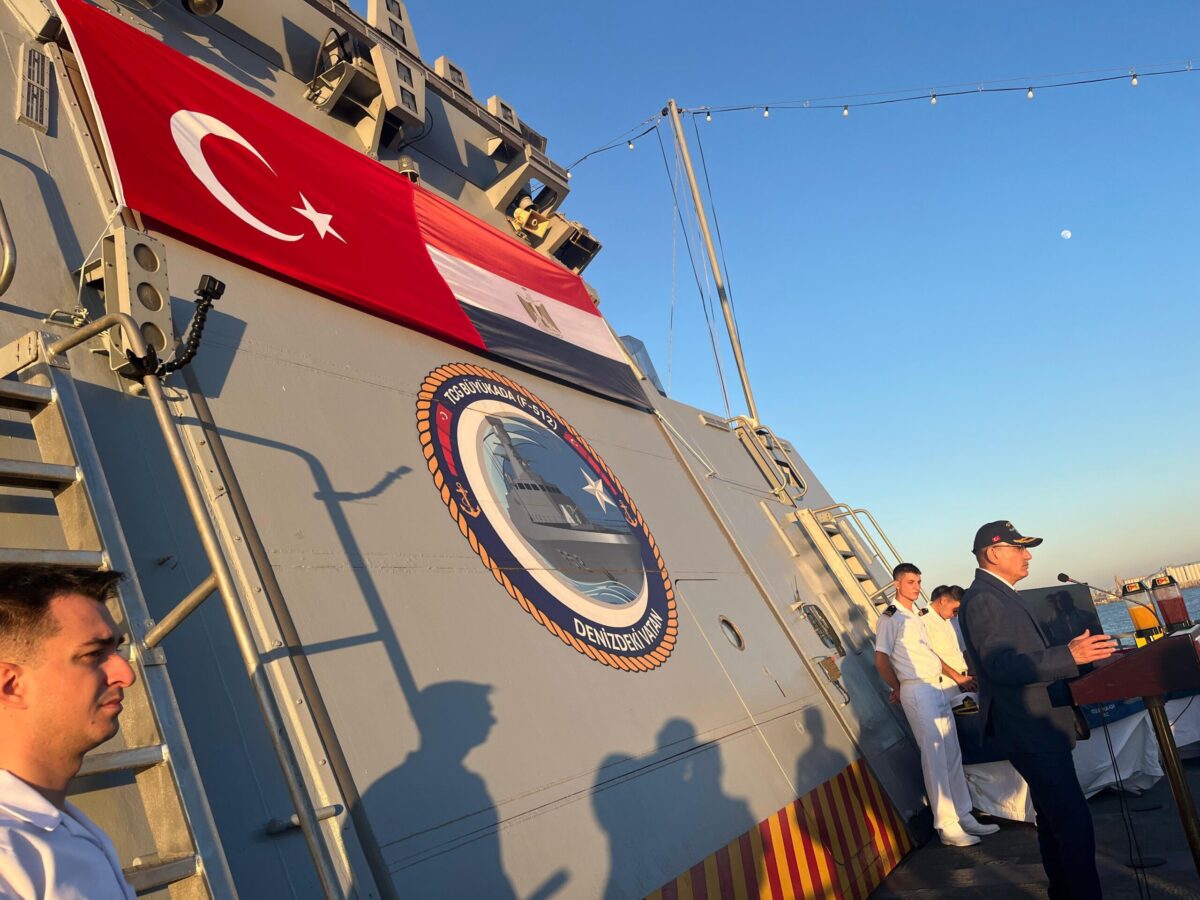
3. The Muslim Brotherhood
Turkey’s previous support for Muslim Brotherhood figures remains sensitive for Egypt, despite a recent toning down of rhetoric and media activity from Ankara.
IV. The Power of Shared History
Ambassador Şen invoked historical ties between Egypt and Turkey, referencing:
- Sultan Abdulaziz’s 1863 visit to Egypt aboard the Ottoman ship Feyz-i Cihad, received by Khedive Ismail in Alexandria.
- Mahmoud Mokhtar Pasha, one of Turkey’s final naval ministers, who lived and died in Egypt, requesting to be buried in Cairo.
These recollections weren’t nostalgic flourishes; they were deliberate tools of soft power diplomacy, reinforcing a message: the naval traditions, discipline, and values of both nations are deeply intertwined.
V. A Realistic Alliance in the Making?
The stopover of TCG Büyükada could be a trial run for a broader Egyptian–Turkish military understanding. Should this be followed by joint naval drills or co-production of defense equipment, it would signal the birth of a pragmatic axis in the Eastern Mediterranean.
However, this hinges on both sides managing their differences rationally — separating strategic cooperation from geopolitical disputes.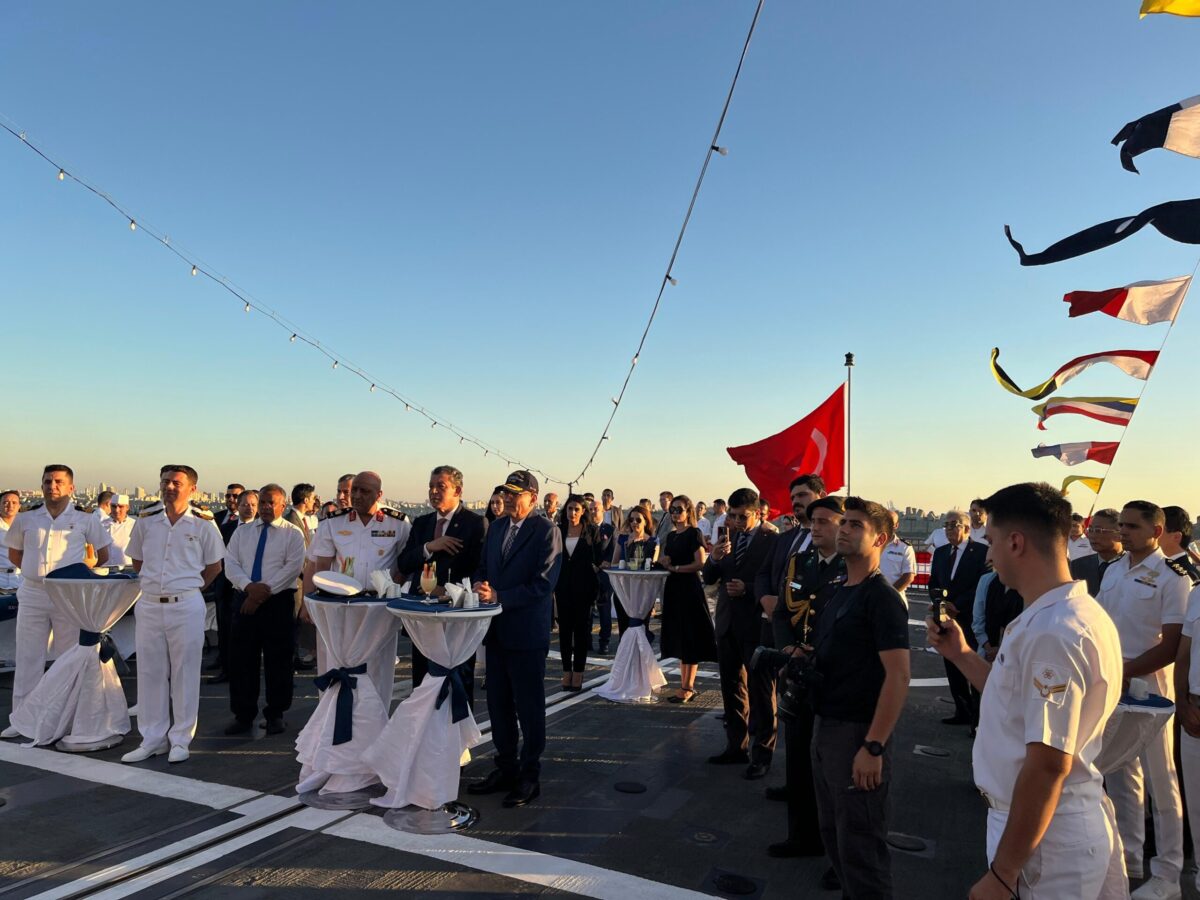
✅ Analytical Summary
- The visit of TCG Büyükada was symbolic but grounded in strategic calculation.
- Defense industry cooperation, maritime security, and African outreach are key converging interests.
- Disagreements over Libya, maritime borders, and political exiles remain unresolved.
- Shared history is being tactically revived to soften diplomatic terrain.
-
This visit may mark a turning point toward a realistic, interest-driven partnership.