Chief editor wonders?
 The case of Mohamed Barakat — the British pilot imprisoned for the 2019 death of his infant daughter in Kazakhstan — is undergoing a potentially pivotal reassessment. After more than five years behind bars, a dramatic shift has occurred: his ex-wife, once a key figure in the case against him, has allegedly confessed to the crime. If verified, this revelation could alter not only the trajectory of Barakat’s life but also stand as a sobering example of how justice systems can miscarry — and how they can recover.
⚖️ The Presumption of Innocence and the Weight of New Evidence
Justice, in any democratic or rule-based society, rests on a core principle: the presumption of innocence until guilt is proven beyond reasonable doubt. In Barakat’s trial, however, questions are emerging about whether this standard was fully upheld.
Kazakh authorities now say they are investigating “newly discovered circumstances” — namely, the alleged confession of his ex-wife, Madina Abdullayeva, who has reportedly admitted in messages and recorded conversations to causing the fatal injuries to their daughter Sophia. If these confessions are authenticated and legally validated, they strike at the foundation of the original conviction.
Barakat has long claimed that he was innocent — not simply out of self-preservation, but pointing to inconsistencies in the original case:
- CCTV footage showing him sober, interacting tenderly with his child.
- A toxicology test based on vomit stains — a deeply flawed basis to assert drug-fueled aggression.
- Autopsy procedures that may have violated international norms (only one expert involved, despite Sophia’s British nationality).
- Lack of conclusive forensic evidence linking him to the fatal act.
If this information holds, it raises a pressing question: Was Mohamed Barakat convicted based on incomplete, flawed, or circumstantial evidence?
🧩 A Complex Portrait of the Crime Scene
The events of that tragic night at the InterContinental Hotel in Almaty remain painful and complex. Initially, Madina appeared in public scenes of deep grief, blaming her husband. But over time, her narrative changed — and now, possibly reversed.
The reported messages such as “I kill her”, and her alleged oral statement that she “broke [the baby’s] neck while washing her”, must be examined with forensic and psychological scrutiny. Are they reliable? Are they the product of guilt, manipulation, or something more sinister?
Still, if courts rely on initial emotions rather than methodical investigation — or if gendered assumptions about aggression and victimhood skew judgment — the result can be disastrous for justice.
📚 A Case Study in Miscarriage of Justice?
If Mohamed Barakat is indeed innocent, this case could become a textbook example of miscarriage of justice:
- Flawed forensic practices.
- Uncorroborated eyewitness statements.
- Trial under emotionally charged public scrutiny.
- Potentially coerced or unverified narratives.
The case also underscores the dangers of confirmation bias — where once authorities believe they have their suspect, all subsequent evidence is interpreted to confirm guilt, rather than test it.
✊ What Now? The Road Ahead
Kazakhstan’s Prosecutor’s Office has opened the door to a rare act of legal introspection. If the investigation validates Madina’s alleged confession, the case must be re-tried or overturned entirely — and Barakat’s name cleared. But that’s not where it should end.
Such a case demands:
- Accountability for investigative and procedural failings.
- Reparation for wrongful imprisonment.
- International legal oversight when foreign nationals are involved in criminal proceedings.
- Greater psychological and forensic support in emotionally charged cases involving family dynamics.
🕊️ Final Thought: If He Is Innocent…
If Mohamed Barakat is indeed innocent — if the evidence confirms that he did not kill his daughter — then he has not only suffered profound injustice but has endured the grief of loss under the heaviest accusation imaginable.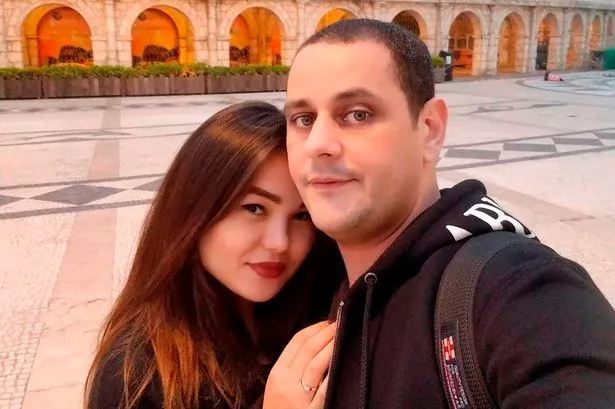
And if the system now rights this wrong, it must do so not quietly but openly, reflectively, and with humility. For justice delayed may still be justice served — but only if it leads to learning, reform, and, above all, truth.