M. General Mohamed Hussein
senior under-secretary at SIS
When the BRICS bloc was founded in 2006 as an alliance of five emerging economies—Brazil, Russia, India, China, and South Africa—it was more than just an economic partnership. It represented a political and strategic ambition to reshape a global system long dominated by the West. With the group’s historic expansion in 2024, adding Egypt, Saudi Arabia, the UAE, Iran, and Ethiopia, BRICS has emerged as a powerful player in the global economy, representing both demographic weight and strategic depth.
The Global South Reclaims Its Voice
One of the most profound shifts catalyzed by BRICS is the revival of the Global South as an active agent in shaping international development. In a world reeling from the aftershocks of COVID-19 and the war in Ukraine, the vulnerabilities of the neoliberal global order have become increasingly evident. Amid this backdrop, BRICS has offered an alternative framework—one rooted in cooperation, mutual respect, and inclusive growth.
The bloc’s approach revolves around five core priorities:
- South-South Cooperation: Enhancing strategic, financial, and technological ties among emerging economies.
- Diversifying the Global Economy: Reducing dependence on Western economies and promoting multipolarity.
- Stimulating Intra-BRICS Investment: Encouraging capital flows and infrastructure development within the bloc.
- Achieving Sustainable Development Goals: Including poverty reduction, health improvement, environmental protection, and fair access to innovation.
- Reforming Global Governance: Advocating for equitable representation in institutions such as the IMF and World Bank.
The Numbers Tell the Story
The economic footprint of BRICS underscores its growing importance:
- 36% of global GDP (based on purchasing power parity), amounting to roughly $58 trillion.
- 25% of global trade, with China alone contributing a significant share.
- Over 45% of the world’s population, creating a vast consumer and labor market.
- Around 40% of global energy production, especially in oil and gas, giving the bloc leverage in energy markets.
- Foreign currency and gold reserves exceeding $5 trillion, mostly concentrated in China and India.
Such figures reflect not only economic clout, but also strategic potential to influence the rules of global finance and trade.
Challenges: A System Still Dominated by the West
Despite its momentum, BRICS continues to face entrenched obstacles:
- Western control over global financial institutions: The U.S. and Europe together hold over 40% of voting power in the IMF, while BRICS countries collectively have less than 15%.
- Dollar hegemony: The U.S. dollar accounts for approximately 58% of global reserves, and the SWIFT system remains under Western influence, giving Washington disproportionate leverage.
Strategic Alternatives: Toward Financial Sovereignty
In response, BRICS has launched a set of initiatives aimed at building an alternative global financial architecture:
- The New Development Bank (NDB): An institution to fund infrastructure and development without political conditions. Chinese President Xi Jinping reaffirmed support for the bank during a visit to its headquarters in April 2025.
- Contingent Reserve Arrangement: Designed to offer financial safety nets during crises, functioning as a partial alternative to the IMF.
- Proposals for a common currency or independent payment system: Aiming to reduce reliance on the U.S. dollar and promote geoeconomic sovereignty.
These tools signal a shift from protest to proposal—from critique of the global order to constructing viable alternatives.
Beyond BRICS: Southeast Asia Joins the Conversation
The appeal of BRICS extends beyond its current members. Southeast Asian nations such as Indonesia, Thailand, and Malaysia are increasingly interested in cooperating with the bloc, especially in light of rising U.S. protectionism and global trade fragmentation. ASEAN’s potential alignment with BRICS reflects a broader realignment of global priorities.
From Emerging Bloc to Global Challenger
BRICS is no longer just an acronym for emerging markets; it is a structured, evolving alliance with the potential to rival the G7 and reshape global governance. Its expansion in 2024 marks a significant geopolitical turning point—one that reflects the increasing relevance of the Global South.
What distinguishes BRICS is its plurality of governance models, encompassing liberal democracies like India and Brazil, alongside centralized systems like China and Russia. This diversity could be an asset, allowing the bloc to navigate multiple geoeconomic realities with flexibility.
Conclusion: The Long March Toward Multipolarity
BRICS is not simply opposing the West—it is advocating for a global order that is more balanced, inclusive, and just. While the path is filled with economic, political, and institutional challenges, the bloc has already begun rewriting the rules of engagement for a new century.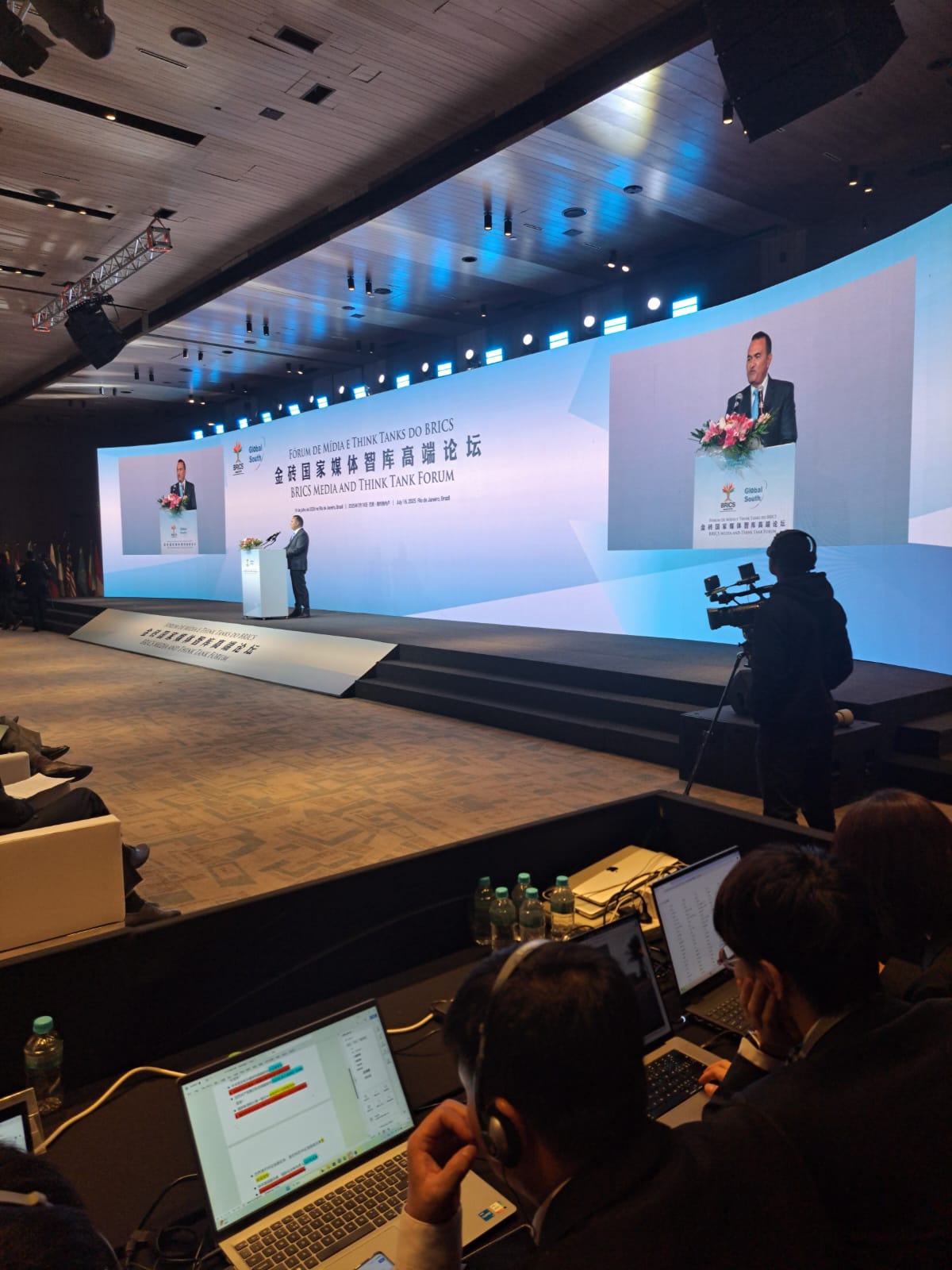
As the Global South gains voice and agency, BRICS may prove to be the crucible where a more equitable world order is forged—not by confrontation, but by cooperation and shared development.