 Chief editor writes
1. Kazakhstan as a Regional Leader among LLDCs
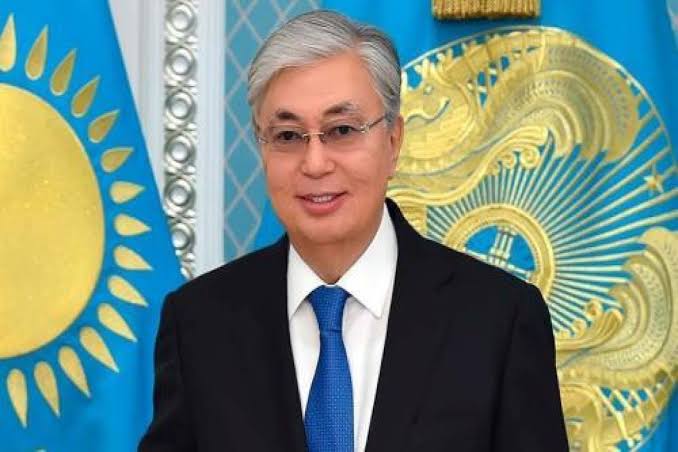
Kazakhstan’s active involvement in the Third UN Conference on LLDCs reflects its long-standing ambition to lead the dialogue on connectivity, trade, and development for landlocked nations. As the largest landlocked country in the world, Kazakhstan has positioned itself as a hub for Eurasian logistics, energy transit, and cross-border trade. This role is reinforced by Tokayev’s presence at the summit, where he is likely to advocate for:
- Enhanced infrastructure investments,
- Diversification of trade routes (e.g., the Middle Corridor),
- Digital connectivity and green transition support for LLDCs.
Kazakhstan has moved beyond the passive identity of a landlocked state and turned geographic limitations into opportunities through multilateral diplomacy, partnerships with China, the EU, and the UN, and its participation in organizations like the SCO, EAEU, and Belt and Road Initiative (BRI).
2. Symbolic Timing: Visit of António Guterres
The August 3 visit by UN Secretary-General António Guterres—just days before the LLDC summit—carries substantial diplomatic symbolism:
- It reaffirms Kazakhstan’s influence as a stabilizing, bridge-building actor in Central Asia.
- It demonstrates recognition of Tokayev’s reformist foreign policy, which has emphasized neutrality, economic modernization, and regional integration.
- It signals the UN’s trust in Kazakhstan as a platform for international dialogue, akin to past roles such as hosting Syrian peace talks or nuclear disarmament conferences.
Guterres’ visit may also touch upon broader issues such as climate adaptation, Afghanistan stabilization, and water diplomacy—all of which are crucial to landlocked countries in Central Asia.
3. Turkmenistan as the Host: Regional Unity in Focus
That the conference is held in Awaza, Turkmenistan, is notable. Turkmenistan, traditionally isolationist, has been gradually opening up. The choice of venue highlights growing Central Asian cohesion, especially as the five republics attempt to coordinate more closely on:
- Transit infrastructure (roads, railways, ports),
- Energy corridors (e.g., potential gas cooperation with the EU and China),
- Climate-resilient development, especially in the face of the drying Aral Sea and desertification.
Tokayev’s presence enhances Kazakhstan’s leadership credentials within this emerging regional consensus.
4. Geoeconomic Stakes: The LLDCs in a Fragmenting World
In the current global context of supply chain realignments, sanctions, and new trade corridors, LLDCs face intensified pressure. However, they also present untapped economic potential, especially with growing interest in alternative routes to bypass geopolitical chokepoints.
Kazakhstan, through Tokayev’s engagement:
- Aims to ensure that LLDCs are not left behind in the digital and green transitions.
- Seeks increased UN and development partner financing for transport and digital infrastructure.
- Will likely advocate for fairer trade terms and access to global markets for landlocked nations.
Conclusion: A Platform for Global Influence
President Tokayev’s participation in the Awaza conference and his hosting of Guterres mark a strategic diplomatic moment for Kazakhstan. It leverages its geographical constraints to advance a proactive, outward-looking foreign policy—shaping the future of connectivity, inclusion, and multilateralism for landlocked nations in an increasingly divided world.