Ashraf AboArafe
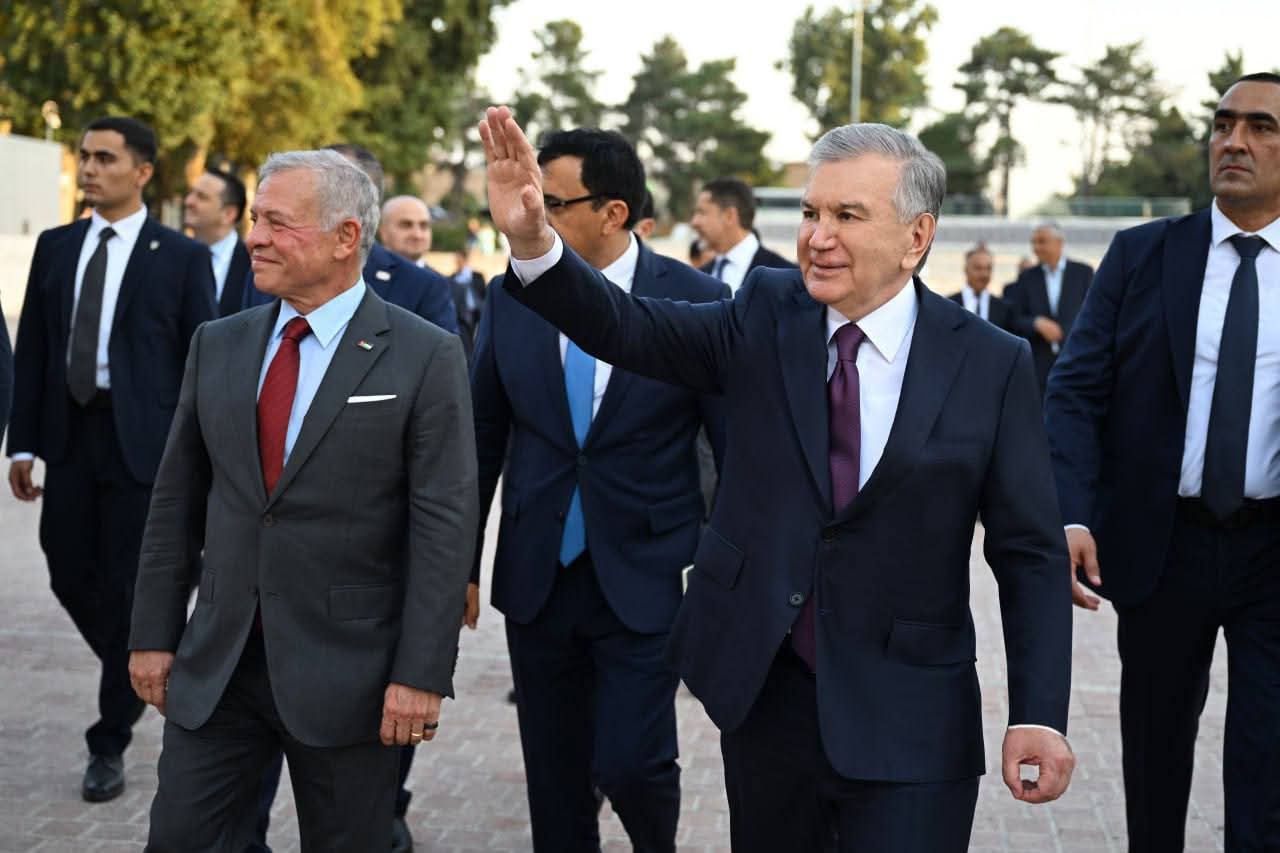
On August 25–26, at the invitation of President Shavkat Mirziyoyev, King Abdullah II of Jordan will pay a state visit to Uzbekistan — a visit that symbolizes a turning point in relations between the two nations.
Diplomatic ties between the Republic of Uzbekistan and the Hashemite Kingdom of Jordan, established in 1993, have matured over three decades from cautious beginnings into a multifaceted relationship encompassing politics, economy, and cultural-humanitarian cooperation.
Jordan’s embassy in Tashkent opened in 1994, and since 2007, the Honorary Consulate of Uzbekistan in Amman — led by Luay Abu-Ghazaleh — has served as a bridge of friendship. While high-level contacts were for years conducted mainly on multilateral platforms and through official messages, recent developments show that both sides now seek a deeper, more systemic engagement.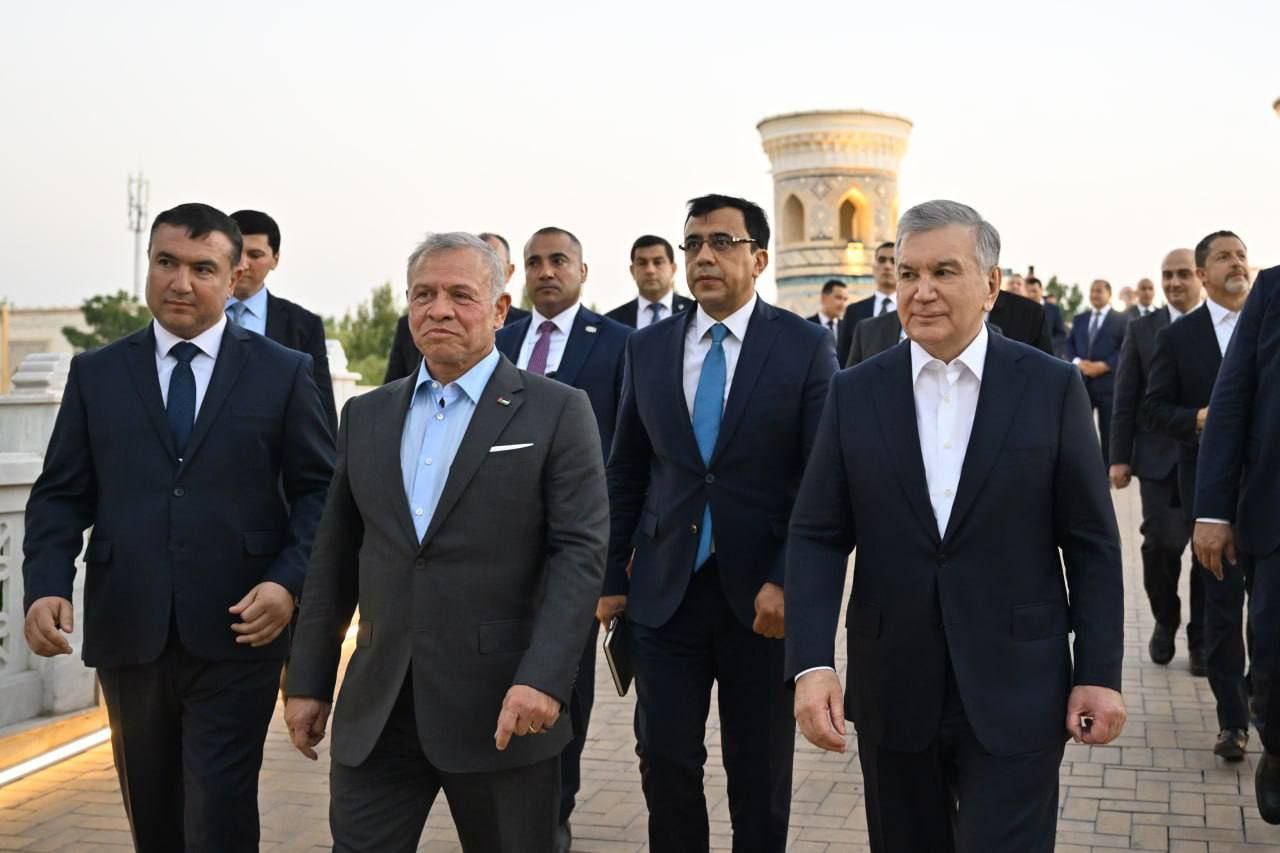
Momentum for a New Era
In 2025, Uzbekistan’s Foreign Minister Bakhtiyor Saidov delivered a personal message from President Mirziyoyev to King Abdullah II during an official visit to Amman. This diplomatic exchange culminated in agreements that mark a shift towards institutionalized cooperation:
- Visa-free travel for diplomatic passport holders,
- A Joint Program of Cooperation (2025–2027) between the two foreign ministries.
These steps signal a determination to elevate the relationship from occasional dialogue to structured partnership.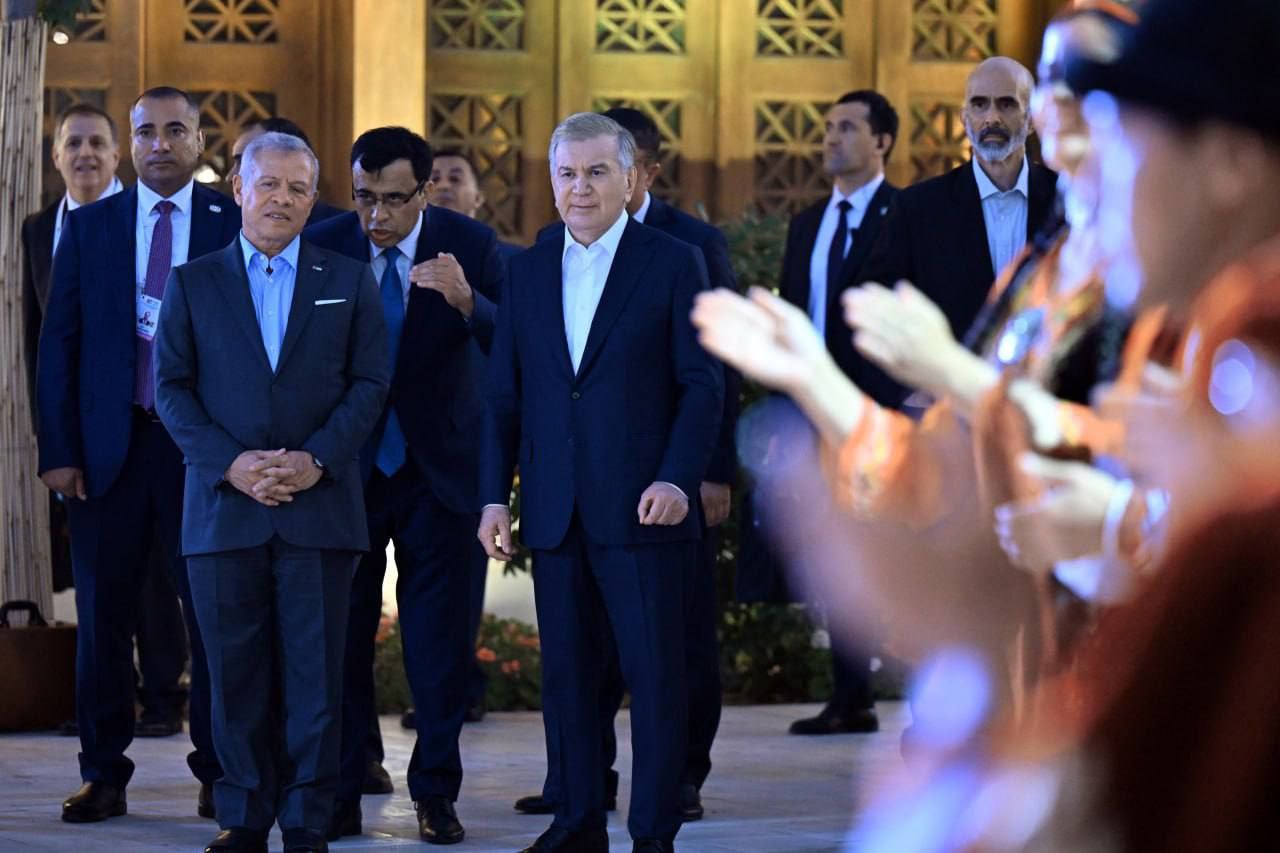
Economic Cooperation: From Modest Trade to Strategic Partnership
Though bilateral trade stood at only USD 4.6 million in 2024, the two countries are charting ambitious plans. Jordan currently exports pharmaceuticals, chemicals, machinery, and equipment to Uzbekistan, while Uzbekistan supplies copper, dried fruits, nuts, and textiles.
Talks in 2025 between investment and trade ministers identified new areas for cooperation:
- A Preferential Trade Agreement to ease market access,
- Mining and mineral processing (phosphates, copper, and others),
- Agriculture, food industries, and textiles,
- Joint projects in pharmaceuticals, light industry, and digital economy.
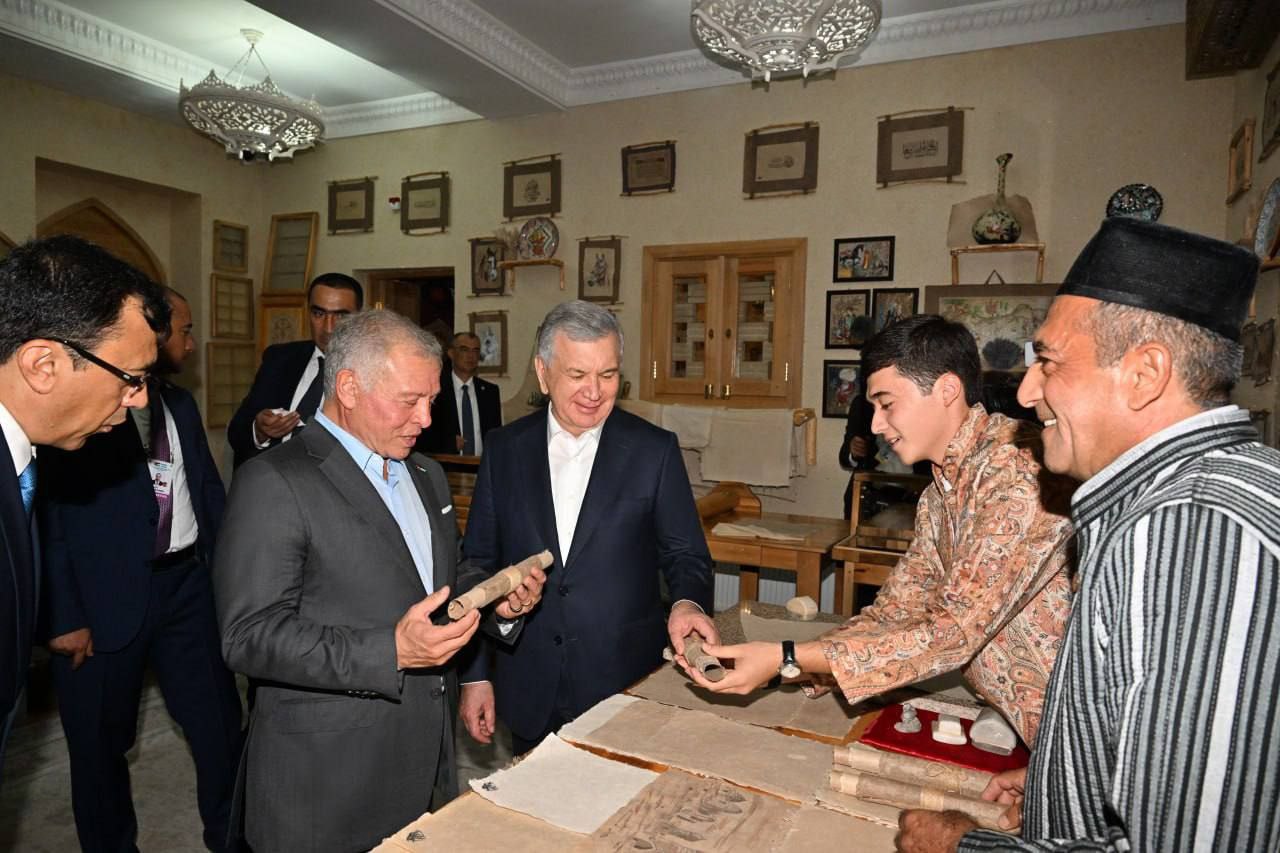
The creation of a Uzbekistan–Jordan Business Council is expected to institutionalize entrepreneurial contacts, organize trade missions, and position Jordan as a gateway for Uzbek goods into Middle Eastern and North African markets.
Spiritual and Cultural Foundations
Beyond trade and politics, the relationship rests on shared Islamic values, historical heritage, and cultural traditions, which foster trust and mutual understanding. Cooperation in education, academic exchanges, cultural festivals, Islamic studies, archaeology, and healthcare promises to add depth to this partnership.
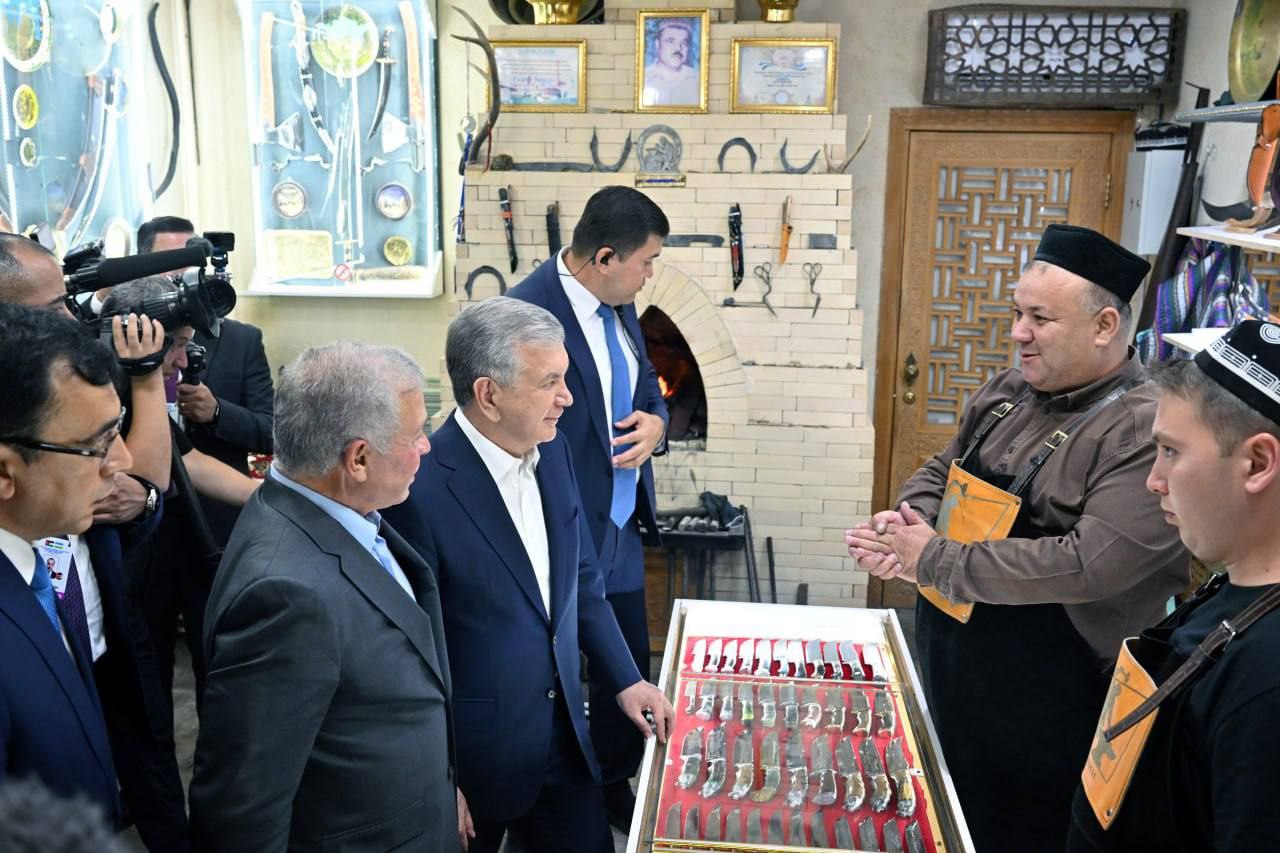
Jordanian participation in Uzbekistan’s major cultural events — from the International Maqom Art Festival in Shahrisabz (2018) to the International Handicraft Festival in Kokand (2019) — underscores this vibrant dimension.
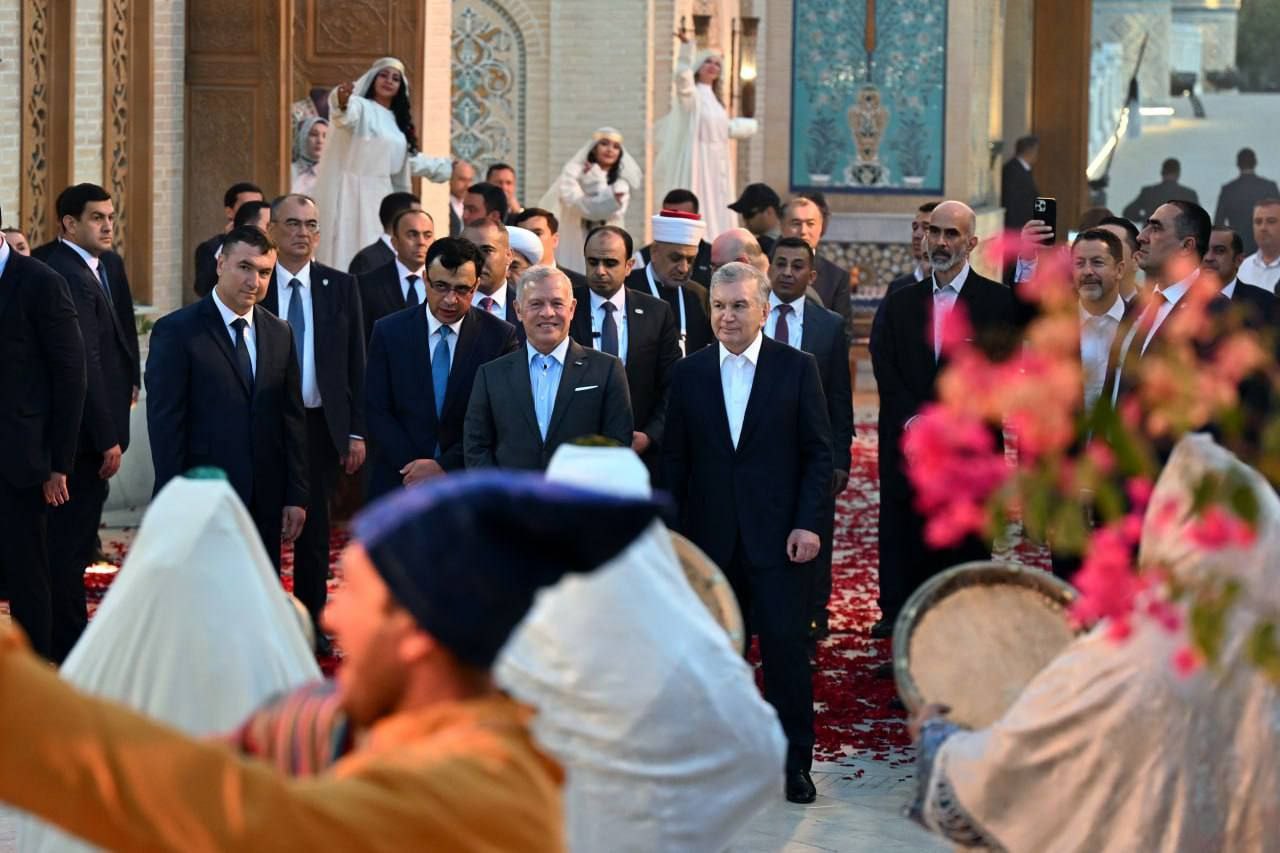
A Royal Journey Through History: King Abdullah II and President Mirziyoyev in Eternal Samarkand
The visit of King Abdullah II and President Mirziyoyev to Samarkand carries profound symbolic weight. This ancient city, once the beating heart of the Silk Roads and a crossroads of Islamic civilization and world heritage, embodies the spirit of cultural encounter and renewal. Its grand squares, mosques, and madrasas, adorned with timeless Islamic architecture, serve as a living bridge between past and present. The leaders’ tour of Samarkand reflects that Uzbek–Jordanian cooperation is not only political or economic but also a continuation of a shared civilizational journey, revived.
Regional Significance
Uzbekistan’s multi-vector diplomacy and growing engagement with the Middle East, seen in its fivefold rise in trade with GCC states from 2020 to 2023, creates fertile ground for stronger Uzbek–Jordanian ties. In a region where economic connectivity and cultural diplomacy shape political stability, this partnership has the potential to extend beyond bilateral benefits — contributing to the stability of Central Asia and the Middle East alike.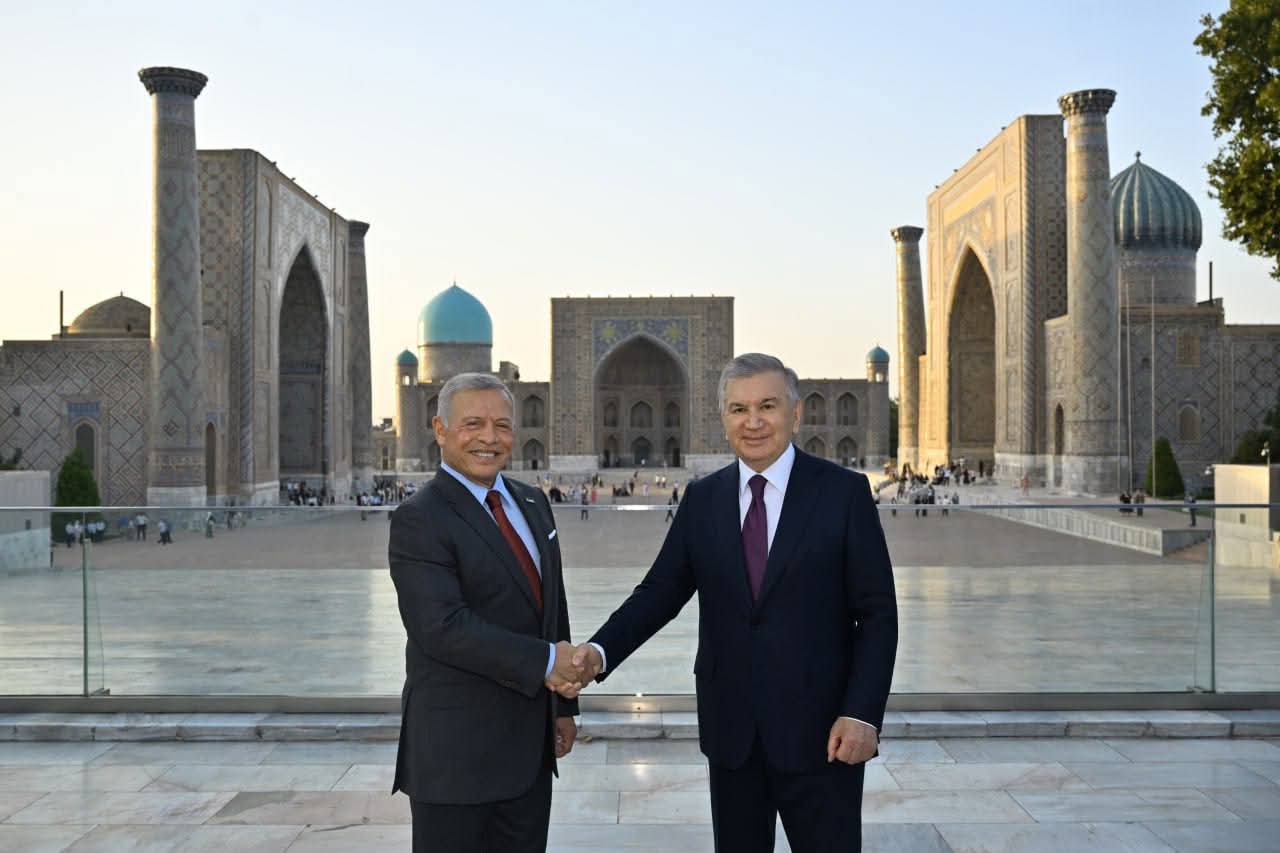
Conclusion
The forthcoming state visit of King Abdullah II to Tashkent is more than a ceremonial gesture. It is an invitation to craft a new Silk Road of cooperation, where trade and culture intertwine, and where the shared spiritual heritage of two ancient peoples becomes the compass for a modern partnership.
Uzbekistan and Jordan now stand at a threshold: with political will, institutional mechanisms, and cultural affinity, they can transform decades of cautious engagement into a strategic alliance — one that opens new horizons of trust, prosperity, and regional harmony.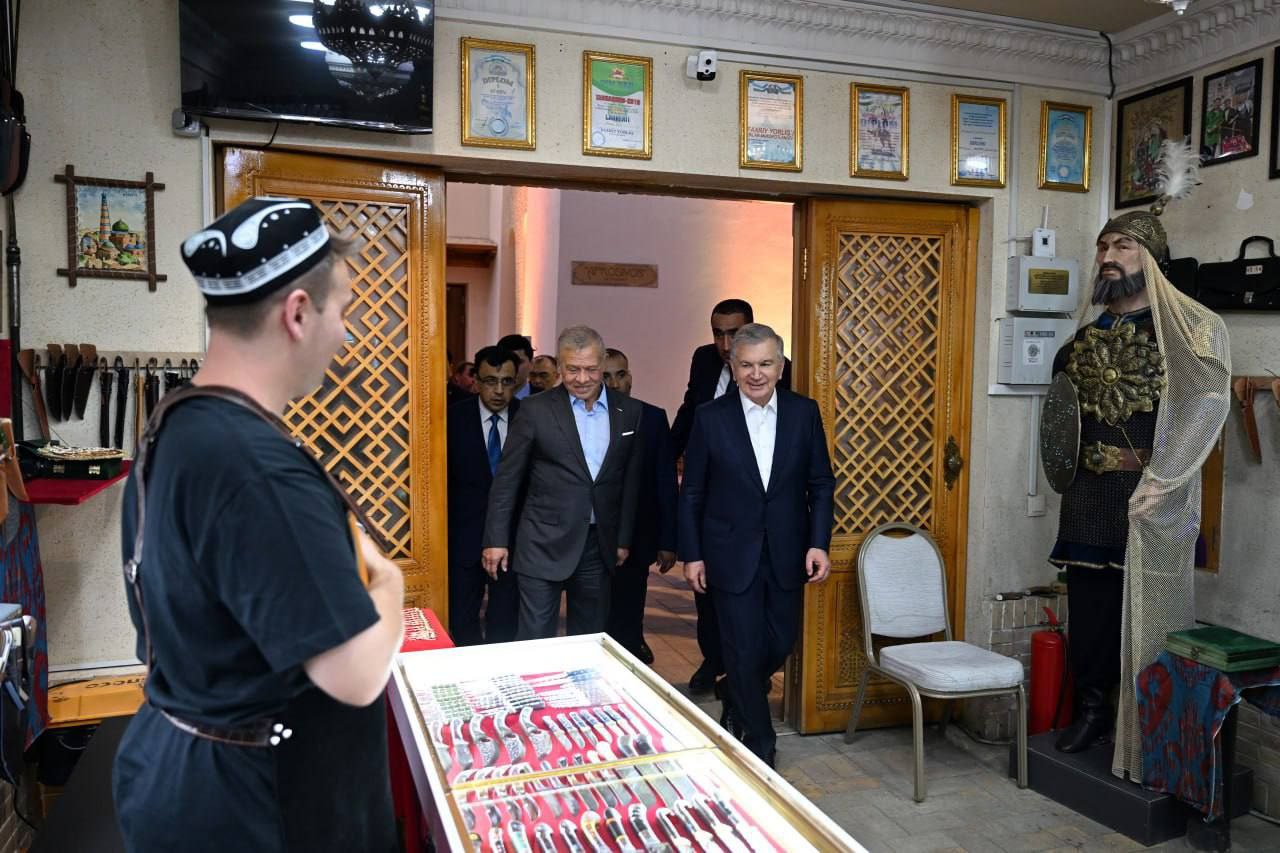
🔹 This title and structure emphasize both the economic dimension (“trade”) and the civilizational-spiritual bond (“spirit”), situating the bilateral partnership in a broader regional and historical context.