 M. General Mohamed Hussein ✍️
senior under-secretary _ SIS
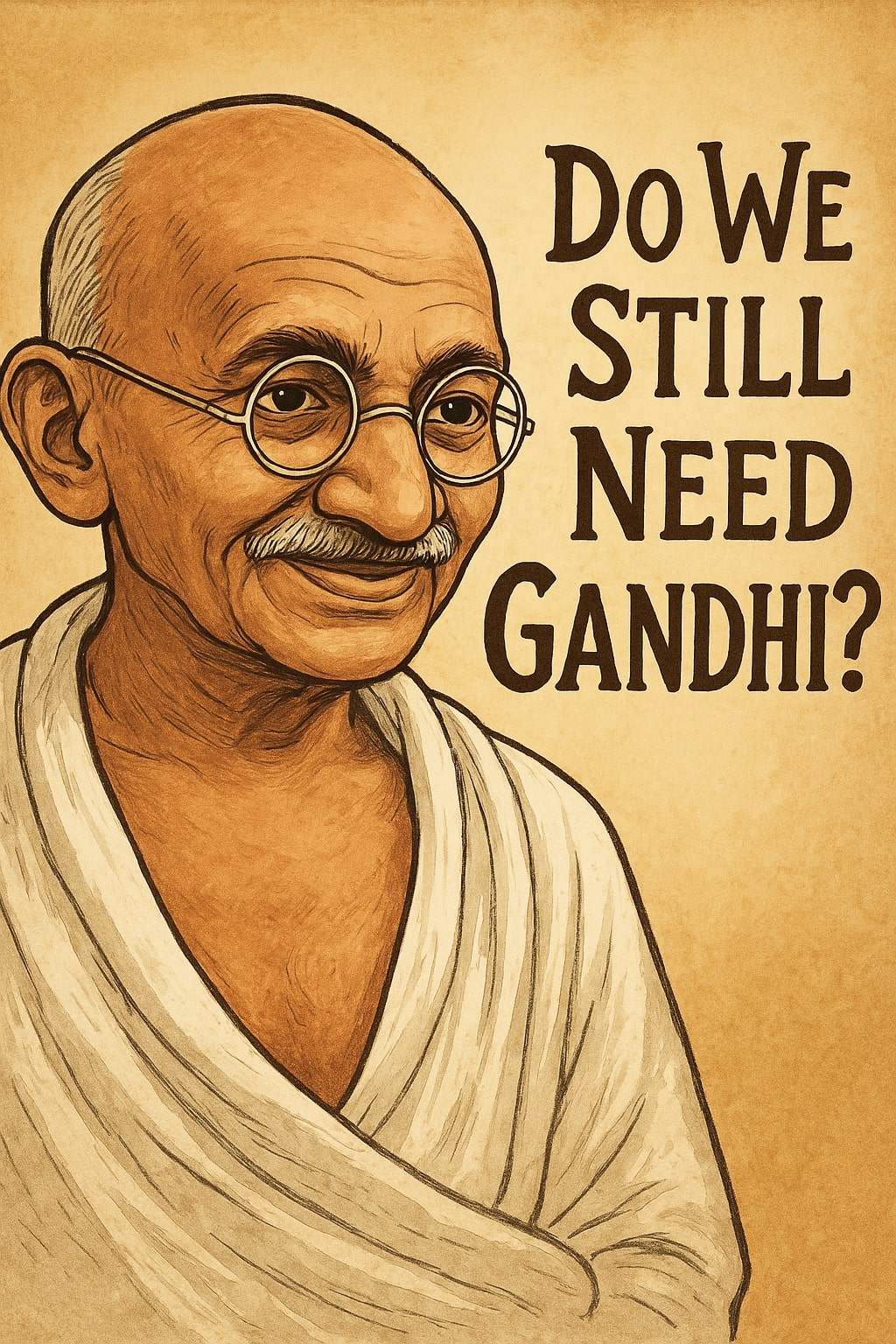
“The world will live in peace, only when the individuals composing it make up their minds to do so.”
— Mahatma Gandhi, Hindu Dharma, p. 70
This conviction anticipates the very spirit of the UNESCO Preamble: “Since wars begin in the minds of men, it is in the minds of men that the defenses of peace must be constructed.” Gandhi recognized that peace is not the absence of war but the deliberate construction of justice, harmony, and conscience. In a world fractured by ideological extremism, religious fundamentalism, misguided nationalism, economic inequality, racial and ethnic discrimination, and unchecked egoism, Gandhi envisioned conflict as both a warning and an opportunity—a call to transform society through peaceful means.
With this conviction, he offered a philosophy of peace rooted in Satyagraha, Sarvodaya, Swaraj, Swadeshi, Trusteeship, moral education, social harmony, and equality—a holistic framework for building a just and non-violent order.