By B. S. Khabibullaev
Director of the Aral Sea International Innovation Centre under the Ministry of Ecology, Environmental Protection, and Climate Change of the Republic of Uzbekistan
A Turning Point for Uzbekistan’s Global Climate Leadership
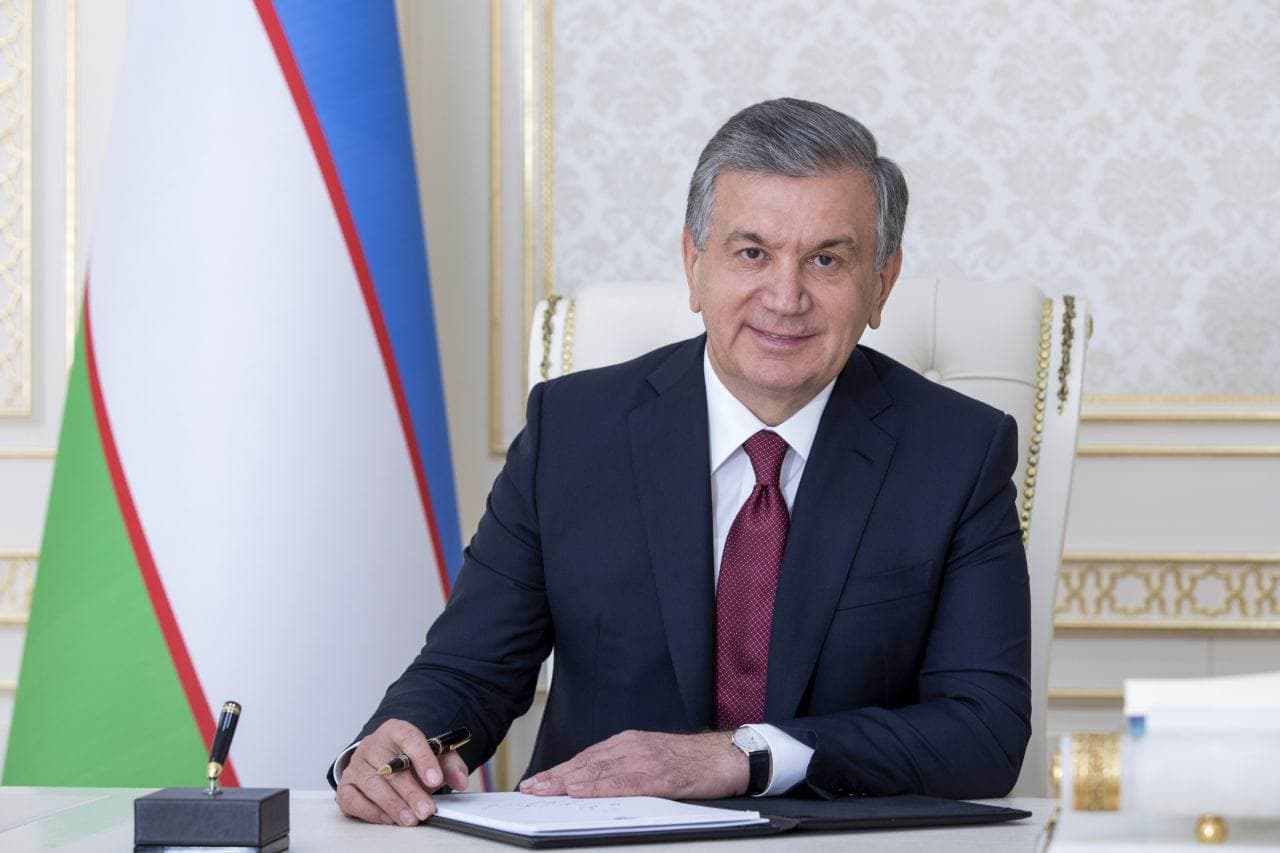
The participation of President Shavkat Mirziyoyev in the 80th session of the United Nations General Assembly this September marked a pivotal moment for Uzbekistan’s international diplomacy and environmental leadership. Addressing the world’s foremost political forum, the President not only reaffirmed Uzbekistan’s commitment to sustainable development and climate action, but also positioned the Aral Sea region as a living laboratory for the future of global ecological innovation.
The resonance of his speech went beyond national borders. By bringing the Aral Sea’s recovery into the spotlight of the UN, Uzbekistan underscored the universal relevance of the region’s lessons — that ecological catastrophe can be transformed into a platform for hope, innovation, and international partnership.
From Environmental Tragedy to Global Opportunity
Once the world’s fourth-largest lake, the Aral Sea is now synonymous with one of humanity’s gravest ecological disasters. Its near-total desiccation due to unsustainable irrigation practices devastated local economies, altered the climate, and reshaped the social fabric of Central Asia.
Yet today, the same land once marked by desolation is being reimagined as a “global laboratory for climate solutions.” Guided by a forward-looking national strategy, Uzbekistan is pursuing the transformation of the Aral region into a hub of green technology, sustainable agriculture, and biodiversity restoration.
This vision reflects a broader principle: ecological rehabilitation is inseparable from technological innovation and human resilience.
The Aral Sea Initiative: From Vision to Action
Uzbekistan’s leadership on this front dates back to 2021, when President Mirziyoyev proposed designating the Aral Sea region as a zone of environmental innovation and technology. The initiative received unanimous endorsement from the UN General Assembly — a rare and powerful testament to global confidence in Uzbekistan’s ecological diplomacy.
In practice, this initiative has evolved into a multi-dimensional transformation program focused on:
- Expanding green energy projects (solar, wind, and bioenergy);
- Developing water-saving and smart agriculture technologies;
- Promoting ecotourism and biodiversity conservation;
- Advancing regional and international cooperation on climate innovation.
Building the Infrastructure of Innovation
At the heart of this transformation lies the Aral Sea International Innovation Centre, a scientific and technological institution dedicated to translating environmental policy into tangible progress.
Backed by Presidential Decrees PQ-5202 (2021) and PQ-171 (2023), the Centre has rapidly developed its infrastructure:
- A modern technopark and business accelerator for green startups;
- A gene bank and biotechnology laboratories for drought- and salt-tolerant crops;
- Experimental sites in Nukus and Moynoq, serving as field bases for ecological research;
- Over 70 partnership agreements with international institutions and organizations.
Current projects — valued at over 23.9 billion Uzbek soms — cover fields such as alternative energy, aquaculture, horticulture, and medicinal plant cultivation. These initiatives are not only restoring the local environment but also creating new livelihoods, improving public health, and fostering a sense of ecological stewardship.
International Cooperation as the Cornerstone
The Aral Sea Centre operates within a robust framework of international cooperation, engaging partners such as:
- UNDP, GGGI, and GIZ (Germany);
- KOICA (Korea), JICA (Japan);
- ICBA (UAE), and the Xinjiang Institute of Ecology and Geography (China).
Through these collaborations, Uzbekistan has positioned the Aral region as a convergence point for global expertise, where scientists, innovators, and policymakers jointly pilot sustainable solutions to climate challenges.
The Strategic and Global Dimension
The transformation of the Aral Sea region is not a local experiment — it is a global model for resilience in the face of environmental decline. Its success demonstrates how developing countries can lead in advancing the climate agenda through innovation, solidarity, and commitment to the green economy.
This initiative reflects Uzbekistan’s strategic philosophy: that environmental sustainability and economic development are not contradictory, but complementary goals. The deployment of solar and wind energy, the modernization of irrigation, and the empowerment of local communities through education and entrepreneurship together form a comprehensive vision of sustainable progress.
Conclusion: From Crisis to Catalyst
The Aral Sea, once a symbol of ecological collapse, is now emerging as a beacon of environmental rebirth. Uzbekistan’s initiative to transform this region into a hub of climate technologies and sustainable development embodies a message of profound global relevance:
Even the deepest scars of environmental tragedy can become fertile ground for innovation, cooperation, and renewal.
As the world grapples with the shared consequences of climate change, the experience of the Aral Sea stands as a compelling call to action — urging all nations to pursue harmony between humanity and nature through science, technology, and solidarity.