 Chief editor writes
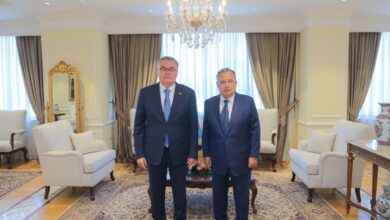
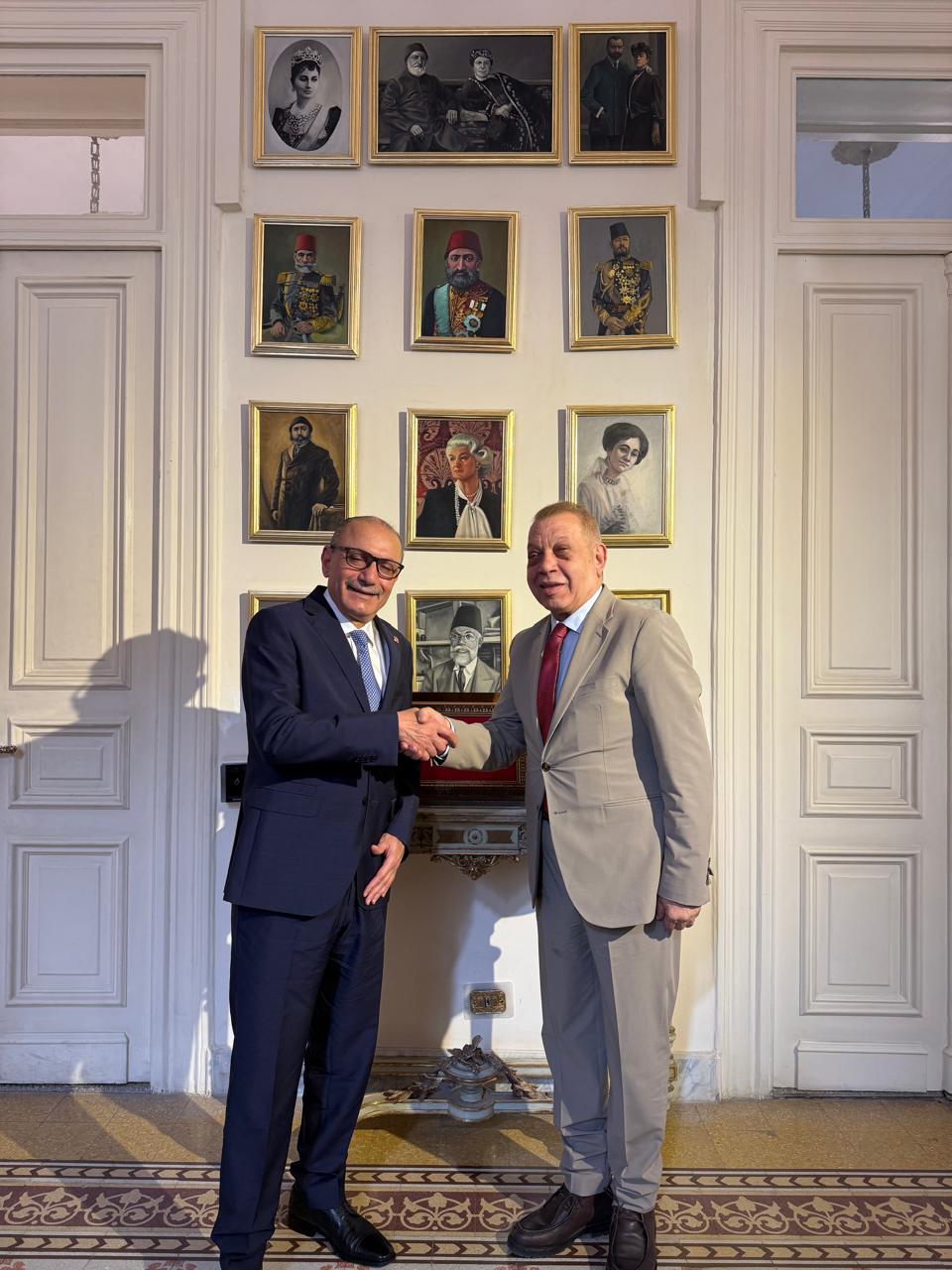
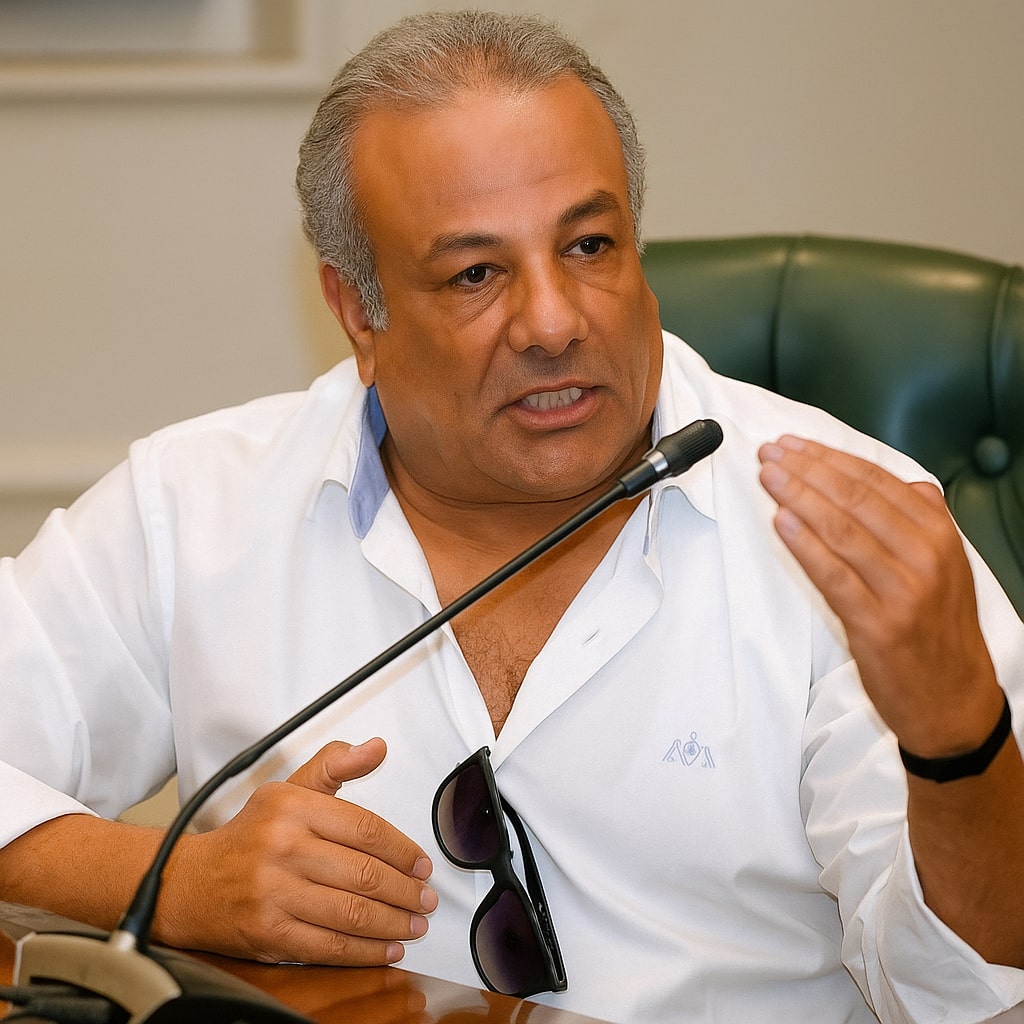
In a scene that transcended protocol and echoed the rhythm of history, the meeting between Turkish Ambassador Salih Mutlu Şen and the Egyptian MP and journalist Osama Sharshar became more than a diplomatic encounter — it was the reawakening of two civilizations that have long mirrored each other across the Mediterranean and the Nile.
Their dialogue in Cairo carried the resonance of ancient stone and the vision of modern statecraft — a conversation where culture met strategy, and history found its voice again.
Cultural Diplomacy as a Strategic Renaissance
Ambassador Şen’s poetic remark that the Grand Egyptian Museum (GEM) “adds a fourth pyramid to Egypt’s timeless wonders” revealed more than admiration for Egypt’s monumental heritage. It symbolized Türkiye’s acknowledgment of Egypt’s enduring civilizational role, and an embrace of soft power as the new architecture of diplomacy.
Through the lens of cultural heritage, Şen articulated a message that bridges epochs: that civilization is the truest currency of influence.
By aligning Türkiye’s Anatolian legacy with Egypt’s Pharaonic splendor, Şen reframed the bilateral relationship as a meeting of historical equals, not competitors — a sentiment deeply resonant in a region too often defined by rivalry.
The ambassador’s reflections on the GEM inauguration — and Egypt’s global re-emergence through art, culture, and symbolism — also mirror Ankara’s evolving diplomatic philosophy: turning cultural and educational outreach into tools of cohesion, not confrontation.
Economic Convergence and Pragmatic Diplomacy
Şen’s projection that bilateral trade could soon exceed USD 15 billion signals the transition of Turkish–Egyptian ties from symbolic rapprochement to structured cooperation.
The economic thaw reflects a broader regional pragmatism, as both nations recalibrate their foreign policies toward mutual growth amid shifting global power balances.
Egypt’s strategic position as Africa’s northern gateway, and Türkiye’s as Eurasia’s bridge, render their partnership an axis of trade and transit — one that could redefine energy, logistics, and industrial flows between continents.
This economic momentum is not an isolated trend but part of a post-ideological diplomacy, where shared prosperity is fast replacing political polarization.
Security, Strategy, and the Moral Dimension
MP Osama Sharshar’s forthright vision placed Egypt, Türkiye, and Iran as the three pivotal counterweights to Israeli militarism, underscoring a growing sense of strategic pluralism in the Middle East.
While Cairo and Ankara maintain cautious autonomy from Tehran, both now find alignment in condemning collective punishment and humanitarian violations, especially in Gaza and Sudan.
Sharshar’s call for a joint Egyptian–Turkish initiative to establish a nuclear-free Middle East adds a crucial moral dimension to this renewed partnership.
Such a proposal, if advanced, could mark both nations as architects of moral leadership in a region still defined by asymmetrical power and nuclear opacity.
In essence, Sharshar reframed deterrence not as domination, but as ethical equilibrium — a principle rooted as much in Cairo’s diplomacy as in Ankara’s new regional ethos.
Reconciliation through Shared Civilization
The tone of the meeting — Şen’s calm statesmanship and Sharshar’s candid clarity — reflected an emerging diplomatic maturity: a realization that rivalry belongs to the past, and that coexistence is the future’s grammar.
From education to security, from trade to tourism, the new Egyptian–Turkish dialogue is shaped less by ideology and more by civilizational memory — a shared recollection that the Nile and the Bosphorus once flowed in harmony, each nurturing empires that valued art, intellect, and human dignity.
Conclusion: When Civilizations Converse
As the Grand Egyptian Museum rises beside the pyramids, and as Istanbul’s skyline glows over the Bosphorus, the spirit of Şen and Sharshar’s conversation becomes emblematic of a new regional philosophy:
That power without culture is fleeting, and that true diplomacy begins where civilizations listen to one another.
In the dialogue between Cairo and Ankara, the Middle East may at last be witnessing not the clash — but the rebirth — of civilizations.