Ashraf AboArafe
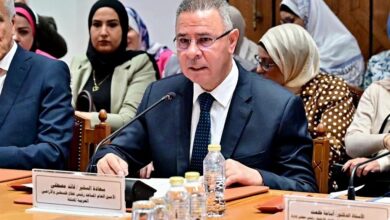
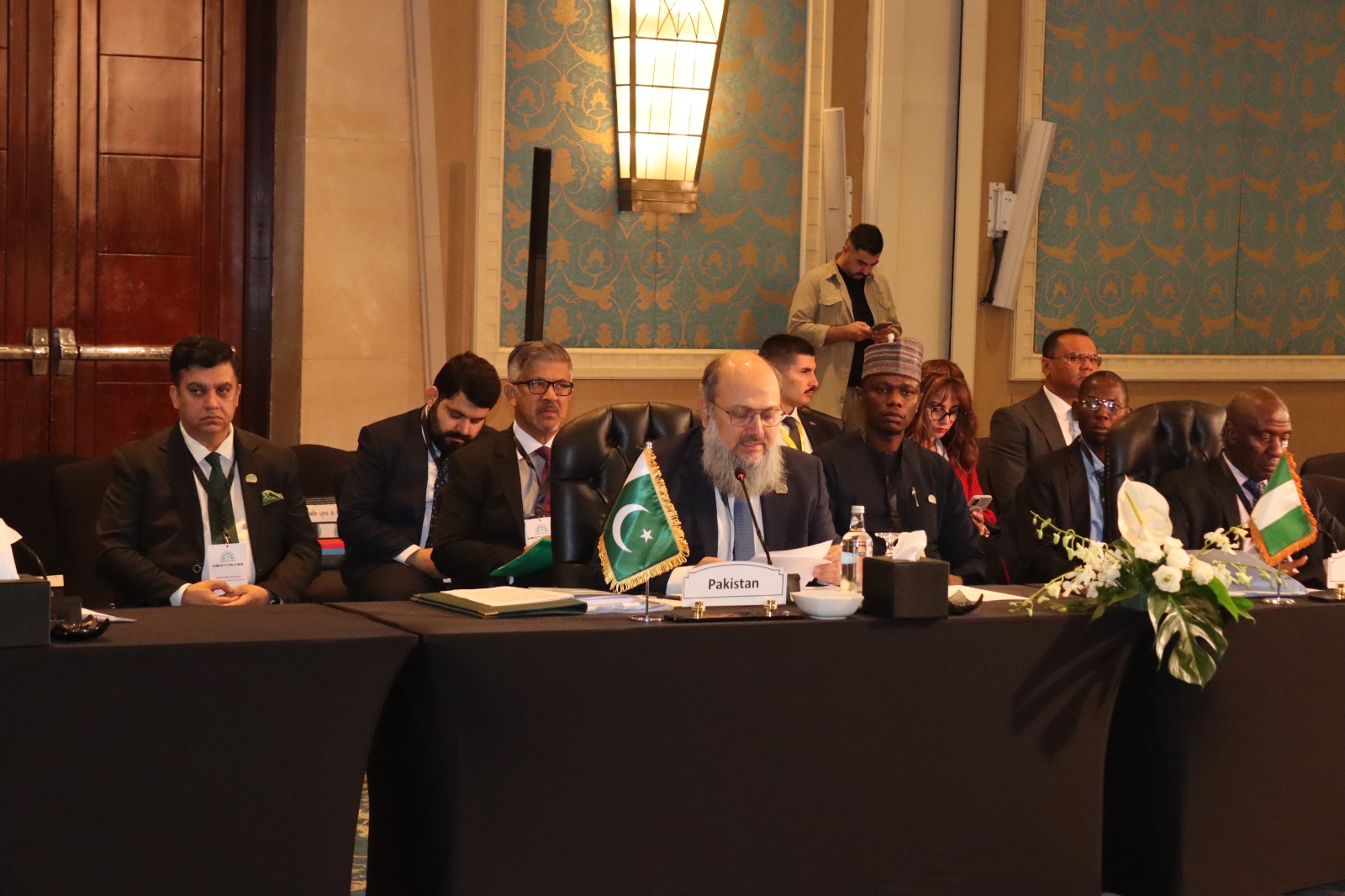
At the Fourth Meeting of the Council of Trade Ministers of the Developing-8 Organization (D-8), held in Cairo on 2 December 2025, Pakistan’s Federal Minister of Commerce, Jam Kamal Khan, delivered a forward-looking address that blended diplomatic clarity with economic vision. Speaking before member states gathered on the banks of the Nile, the minister framed the moment as “more than a routine meeting,” but rather as a collective reaffirmation of the group’s commitment to partnership, stability, and shared development.
Khan began by expressing deep appreciation to the Government of Egypt and to Minister of Investment and Foreign Trade Hassan El-Khatib for hosting the meeting with characteristic hospitality. He also welcomed Azerbaijan as the newest and ninth member of the D-8, describing its accession as a promising expansion of the group’s reach and potential.
Against the backdrop of accelerated global economic shifts, the minister underscored the urgency of strengthening cooperation among D-8 states. He emphasized that the organization—home to significant markets, strategic geography, and youthful populations—has evolved into a platform capable of shaping regional trade dynamics and supporting long-term development goals.
Khan acknowledged the complex landscape of global trade, marked by rising protectionism, disrupted supply chains, climate-related shocks, and commodity market volatility. In this environment, he reaffirmed Pakistan’s belief in regional cooperation as a stabilizing force, enabling member states to secure trade flows, boost investment, and reinforce market confidence.
At the heart of Pakistan’s message was a strong endorsement of the D-8 Preferential Trade Agreement (PTA)—a central instrument for increasing intra-group trade. The minister argued that lowering tariffs, simplifying procedures, and creating more predictable commercial frameworks would unlock significant market access and encourage greater private-sector engagement. Pakistan remains committed, he noted, to resolving operational hurdles, harmonizing documents, and ensuring the PTA becomes fully functional for all stakeholders.
Beyond tariffs, the minister highlighted the need for institutional strengthening—particularly in customs cooperation, standardization, mutual recognition systems, and regional logistics. Efficient transport corridors and integrated digital systems, he stressed, are key to smoother trade flows and more resilient supply chains. Pakistan stands ready to contribute constructively to initiatives that deepen connectivity among D-8 countries.
Khan emphasized the critical role of the private sector, calling for policies that empower businesses to explore opportunities across D-8 markets. Joint ventures, technology transfer, and sector-wide partnerships, he said, can significantly amplify economic integration.
Sustainable development also formed a central pillar of his remarks. The minister urged the group to pair economic growth with environmental responsibility and social inclusion. Cooperation in food security, textiles, agriculture, energy, technology, and innovation, he said, can build long-term resilience and enhance collective prosperity. He expressed confidence that the D-8 could become a model of South-South cooperation through knowledge-sharing, capacity-building, and joint initiatives.
Turning to the global digital revolution, Khan called for readiness to seize opportunities in e-commerce, digital trade, fintech, and innovation ecosystems. Pakistan, he affirmed, aims to work closely with D-8 partners to develop digital infrastructure and advance cross-border digital platforms.
In closing, the minister portrayed a vision of a more interconnected D-8 community—one that strengthens economic resilience, promotes social progress, and contributes to regional stability. With shared values, complementary strengths, and rising youth populations, he said, the D-8 holds a unique collective advantage.
As discussions commenced in Cairo, Khan reiterated Pakistan’s full commitment to supporting initiatives that advance the organization’s goals and deepen cooperation among its members. He expressed confidence that the meeting would produce constructive and forward-looking dialogue, paving the way for greater integration and prosperity among D-8 nations.