Ashraf AboArafe
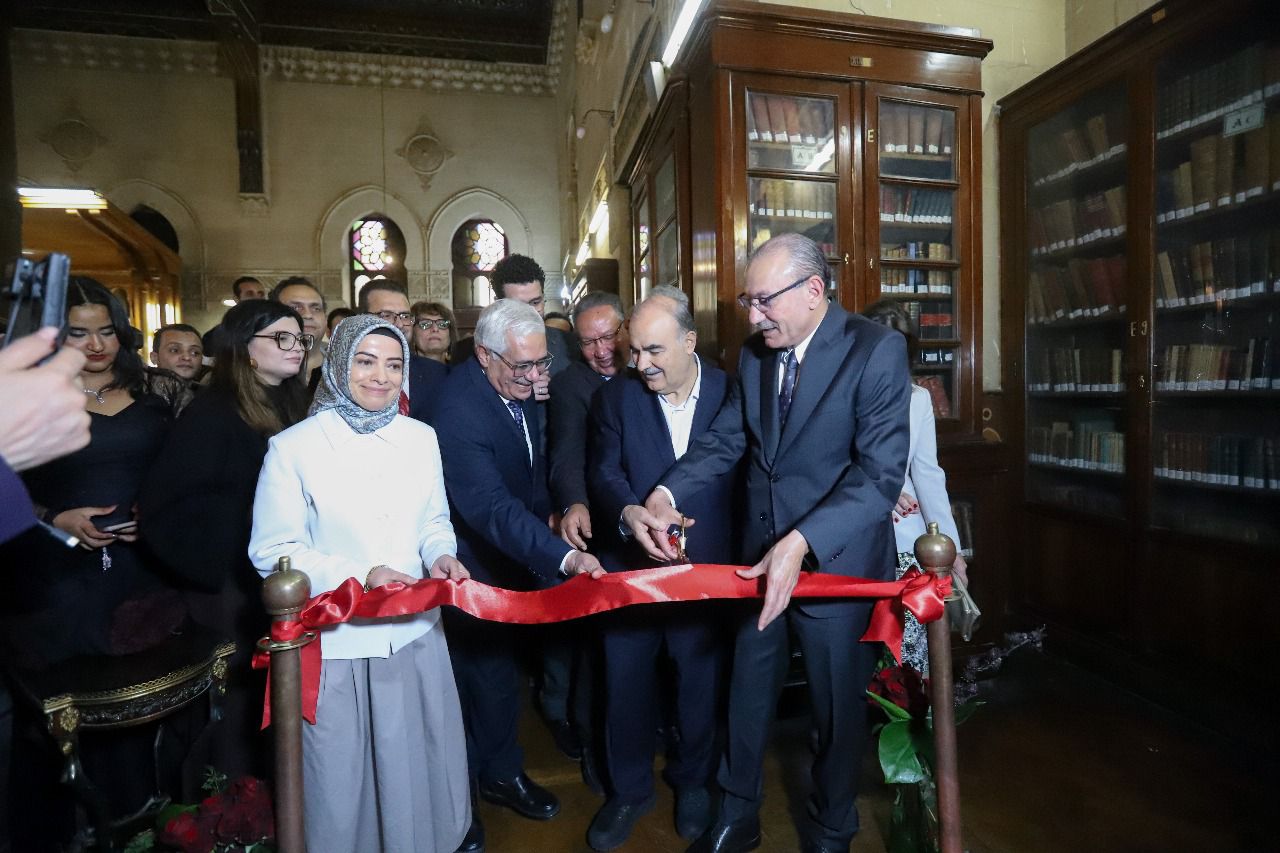
The Turkish–Egyptian joint exhibition of Husn al-Khatt (the Art of Fine Calligraphy) has opened to the public at the Egyptian Geographic Society in Cairo, celebrating a shared artistic heritage that spans centuries and civilizations.
Organized in cooperation with the Presidency of Religious Affairs of the Republic of Turkey—home to the largest collection of Arabic calligraphy in Turkey—and with contributions from renowned Turkish and Egyptian calligraphers, the exhibition brings together masterpieces that illuminate the soul of Islamic art.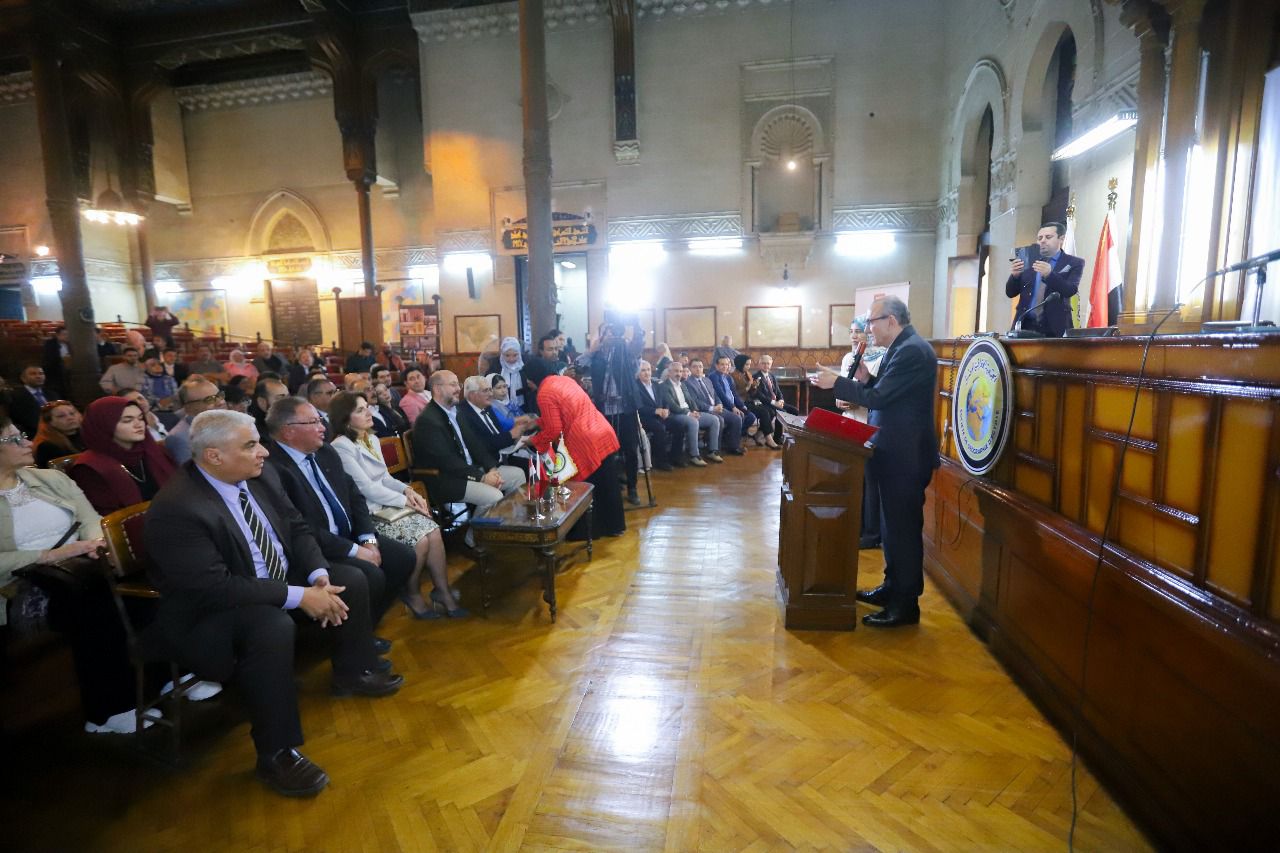
Supported by the Turkish Embassy in Cairo and the Egyptian Geographic Society, the exhibition features selected works from the vast calligraphy collection of the Turkish Presidency of Religious Affairs, an institution responsible for printing the Holy Qur’an, issuing religious publications, guiding religious activities, and preserving Turkey’s mosque heritage. Alongside these pieces, works by distinguished artists from Egypt and Turkey reflect the timeless elegance of Islamic aesthetics.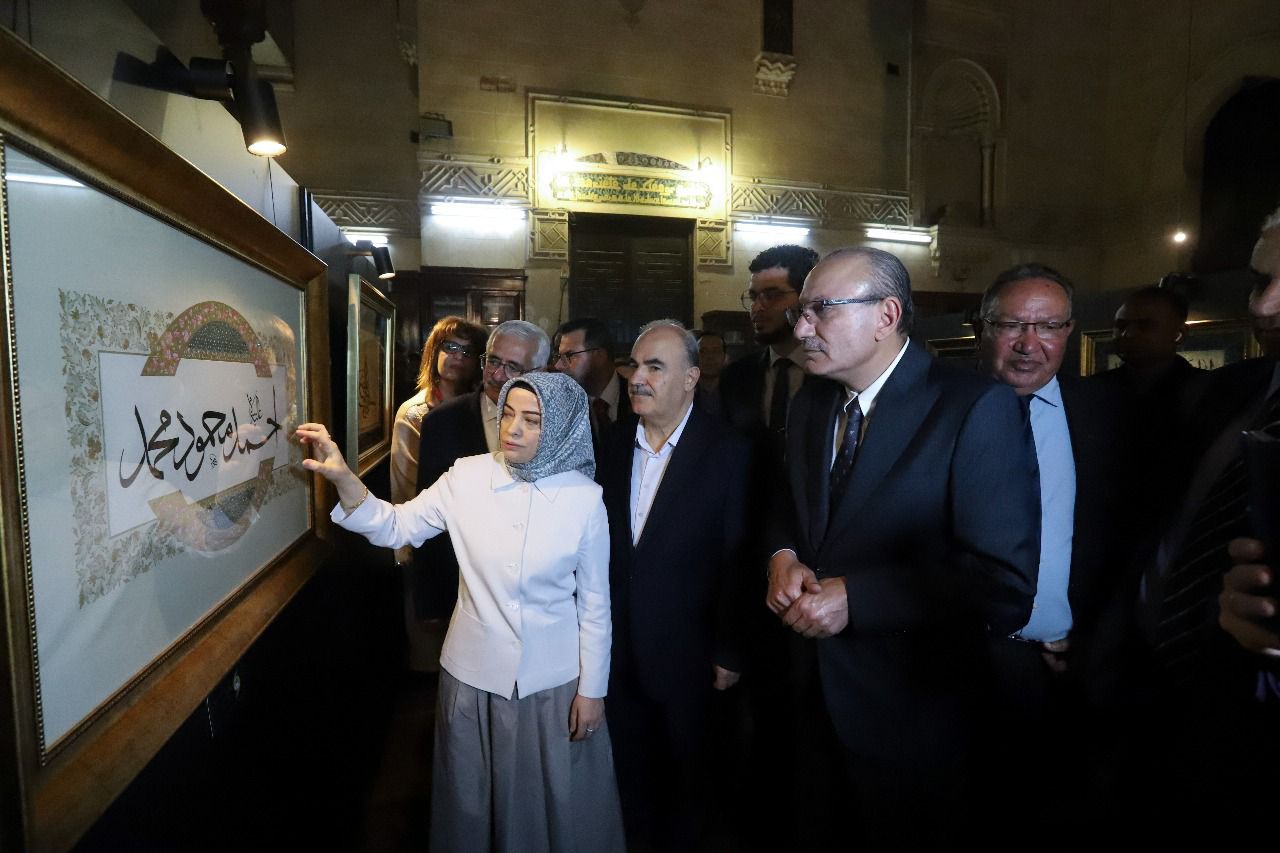
During his opening remarks, Ambassador Salih Mutlu Şen, Türkiye’s Ambassador to Cairo, emphasized a truth widely acknowledged across the Islamic world: “The Qur’an was revealed in Mecca, recited in Egypt, and written in Istanbul.”
He highlighted the unique place calligraphy holds in Turkish culture, noting that since the Ottoman era, the most beautiful renderings of the Qur’an—regarded as the pinnacle of Islamic art—have been known simply as “the art of calligraphy.”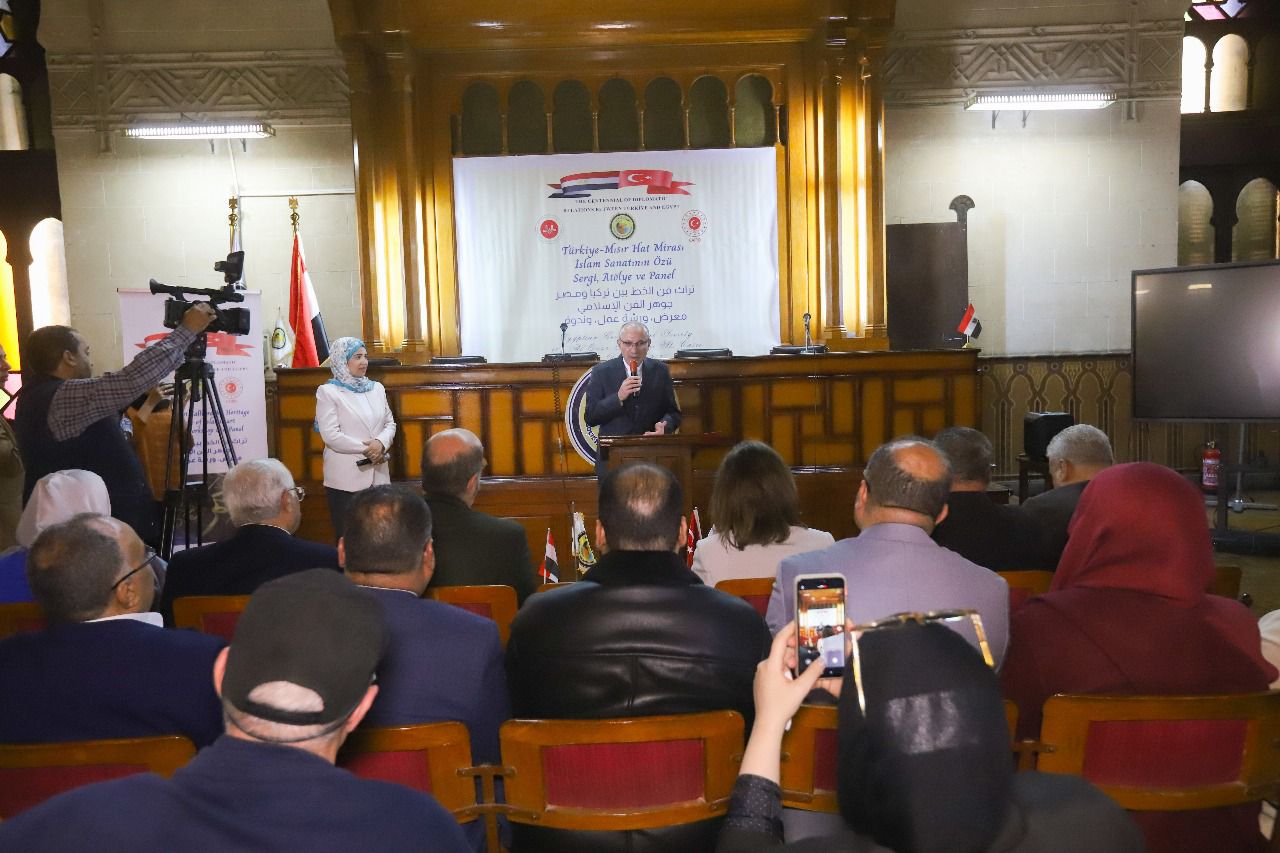
Ambassador Şen explained that Turks have long cherished the Qur’an, the Arabic language, and every surah, verse, and letter inscribed within it. Their devotion fused sanctity with aesthetic brilliance, giving rise to some of the finest scripts in Islamic history—masterpieces born on paper, walls, mosques, and illuminated pages. Istanbul, he said, naturally became the cradle of the world’s most exquisite scripts.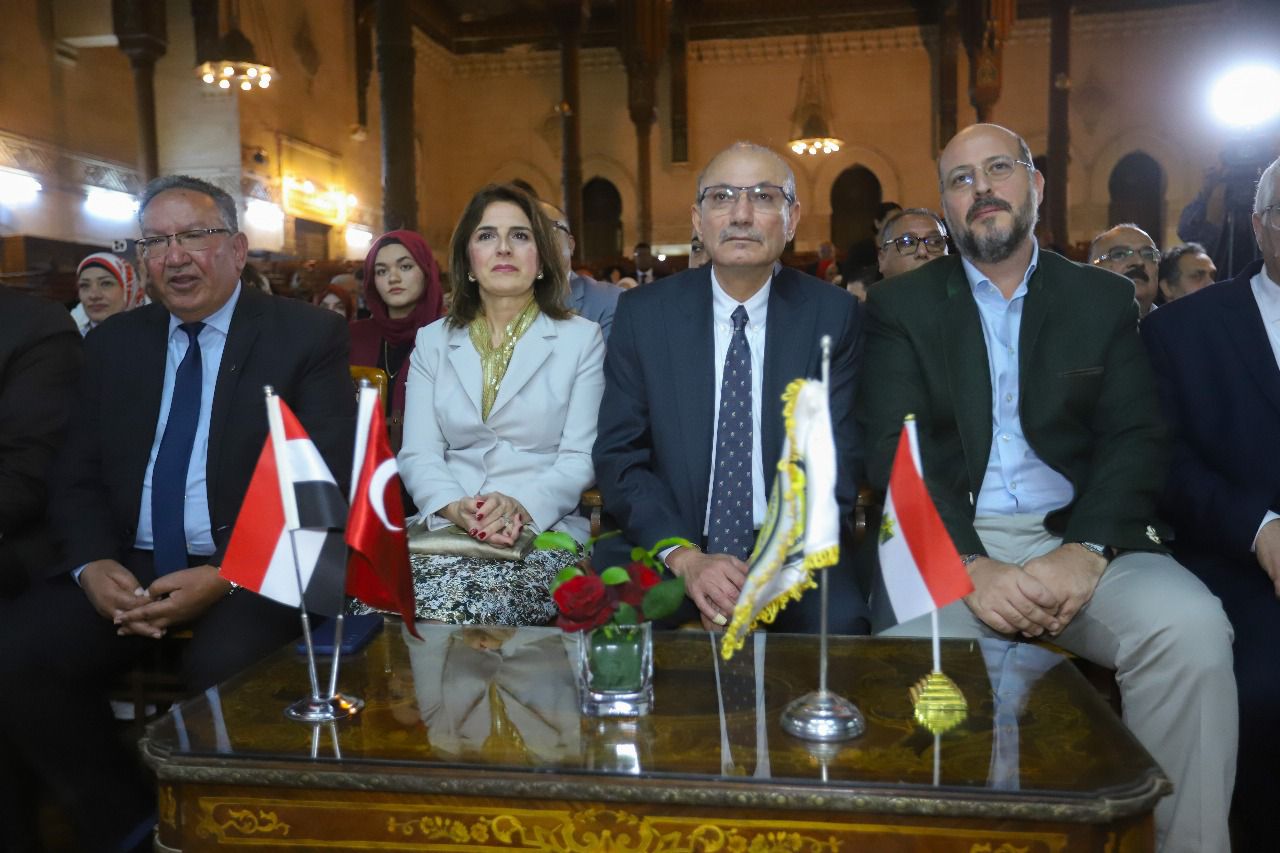
He further noted that both Ottoman and Seljuk mosques of Istanbul are adorned entirely with Arabic calligraphy. Ottoman calligraphers refined the art to unprecedented heights, developing and perfecting scripts such as Naskh, Thuluth, Jali, Ta‘liq, Diwani, Riq‘a, and Tughra.
Their work extended beyond penmanship: they wrote the Qur’an with precise proportions, illuminated each page with intricate ornamentation, and transformed every manuscript into a breathtaking masterpiece. This artistic spirit, Şen affirmed, continues to flourish among contemporary Turkish calligraphers.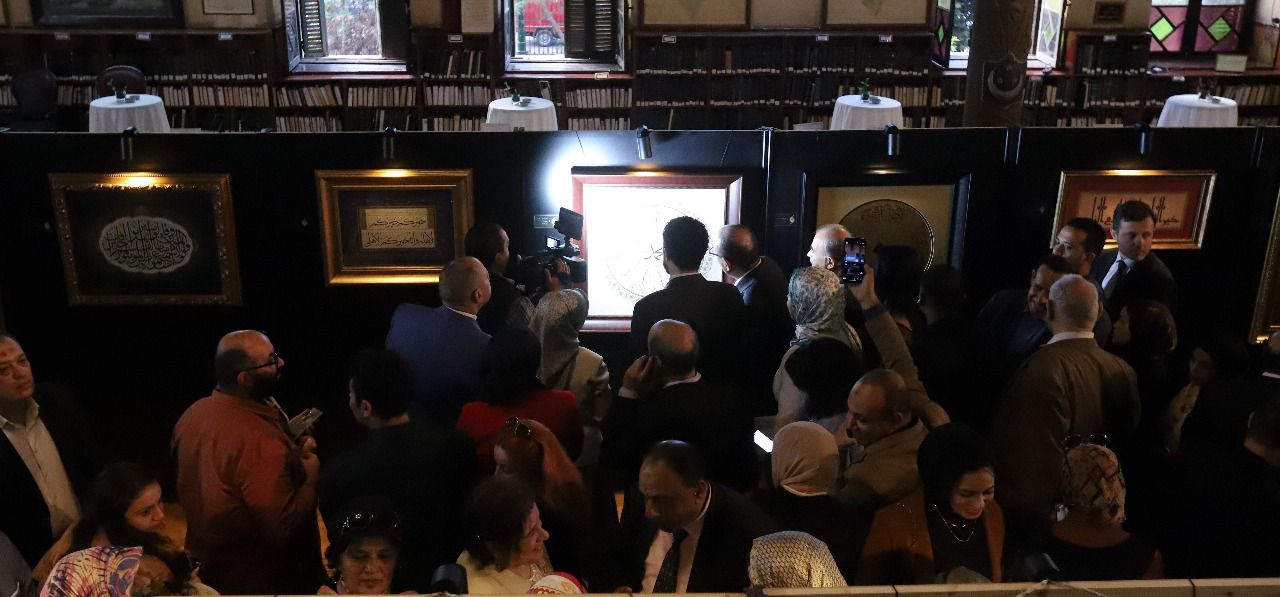
Around 40 artworks by leading calligraphers from both countries—exhibited today—embody this rich, intertwined artistic legacy.
The opening ceremony also featured remarks by Prof. Dr. Mohamed Zaki El-Sedimy, President of the Egyptian Geographic Society; Prof. Dr. Ismail Youssef, its Secretary-General; and Maryam Dalgıç, Head of Turkish-Islamic Arts at the Turkish Presidency of Religious Affairs.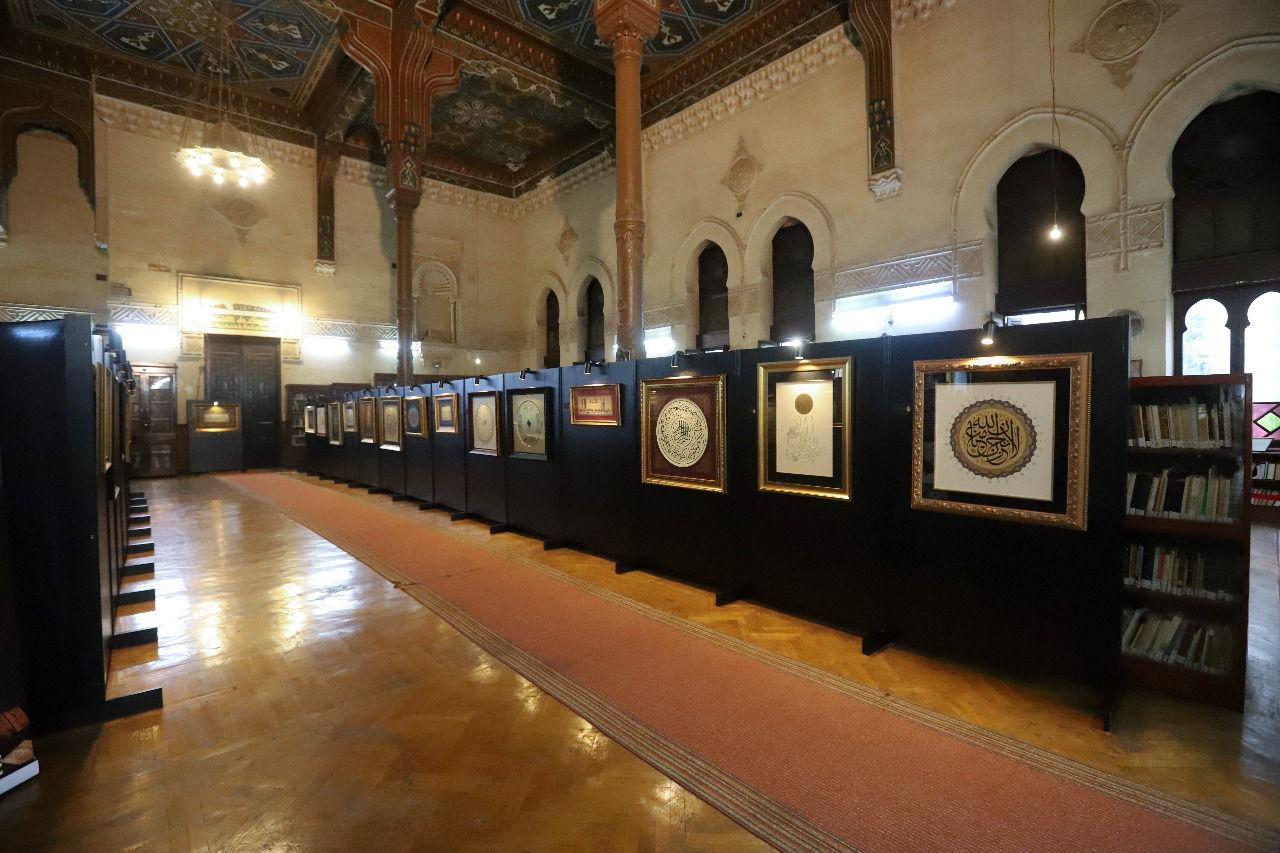
A masterclass in calligraphy was delivered by the eminent Turkish calligrapher Prof. Dr. Mehmet Memiş, followed by a panel discussion titled “Calligraphy in Turkey: From the Ottoman Empire to Today.”
On Friday, 5 December 2025, another workshop and panel will be conducted by Egyptian calligrapher Mohamed Soufi Zada, a descendant of a distinguished Ankara calligraphy lineage.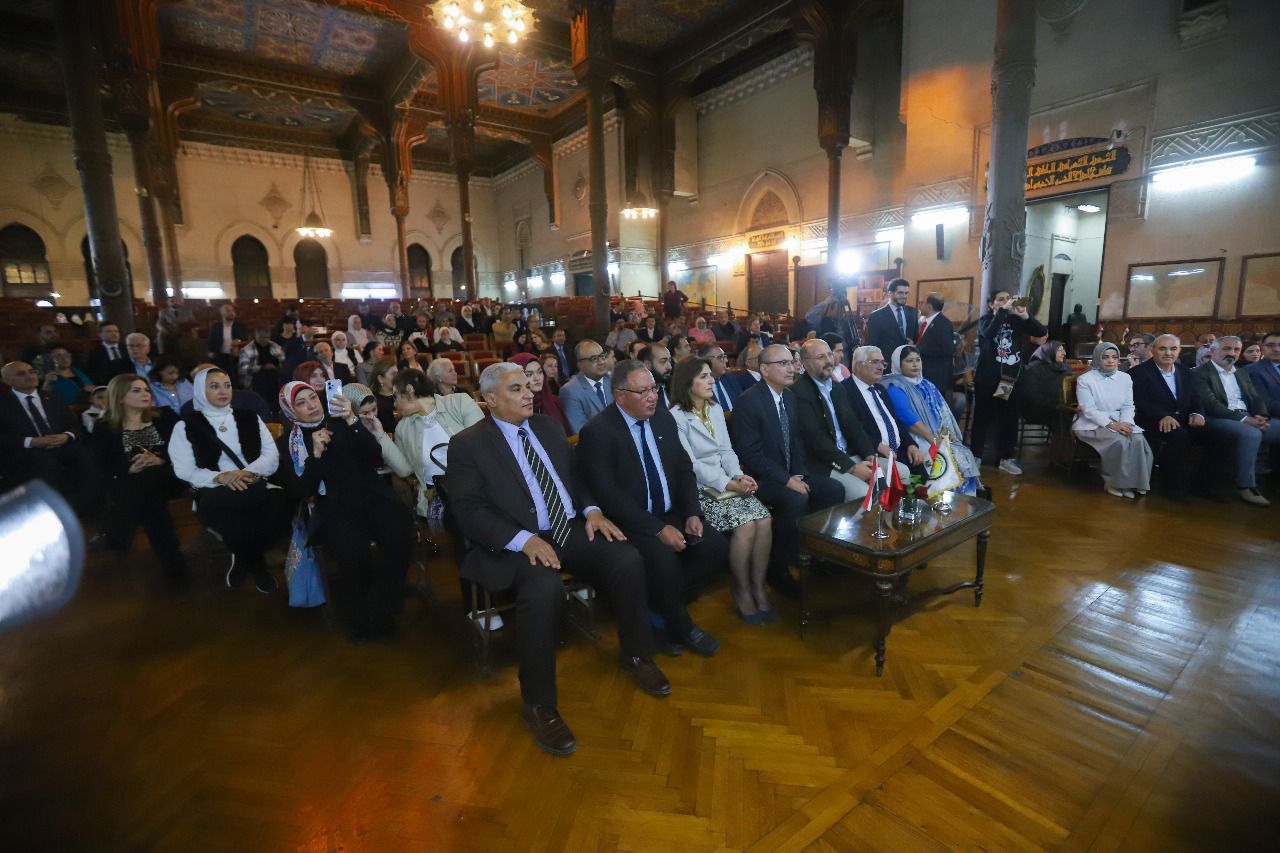
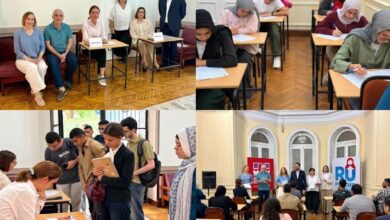
Approximately 300 guests—including journalists, cultural figures, and artists—attended the opening ceremony.
The exhibition runs from 4 to 6 December 2025 and remains open to visitors at the Egyptian Geographic Society until 6:00 PM on Saturday.