Ashraf AboArafe
IN a scene rich with strategic symbolism, the Suez Canal Authority witnessed the maiden transit of the container giant ASTRID MAERSK, marking a renewed vote of confidence in the world’s shortest maritime corridor between East and West.
The vessel’s passage is more than a routine crossing. It represents the first transit through the canal under the “ME-11” service following the announcement by the Gemini Cooperation to redirect this key trade route from the Cape of Good Hope back to the Suez Canal, beginning mid-February. The service operates along the vital India–Middle East–Mediterranean trade lane and is jointly managed by Maersk Line and Hapag-Lloyd.
A Strategic Return
Chairman of the Authority, Admiral Osama Rabie, announced that ASTRID MAERSK transited within the northbound convoy after completing container operations at East Port Said and bunkering environmentally friendly methanol fuel—an indication of the growing intersection between sustainability and global logistics.
Measuring 350 meters in length, 54 meters in width, with a draft of 14.8 meters and a total tonnage of 185,000 tons, the vessel is the largest Maersk container ship to cross the canal in two years. Its transit follows that of MAERSK SEBAROK in December and MAERSK DENVER in January, underscoring the tangible progress achieved since the signing of the strategic partnership agreement between the Authority and the Danish shipping group.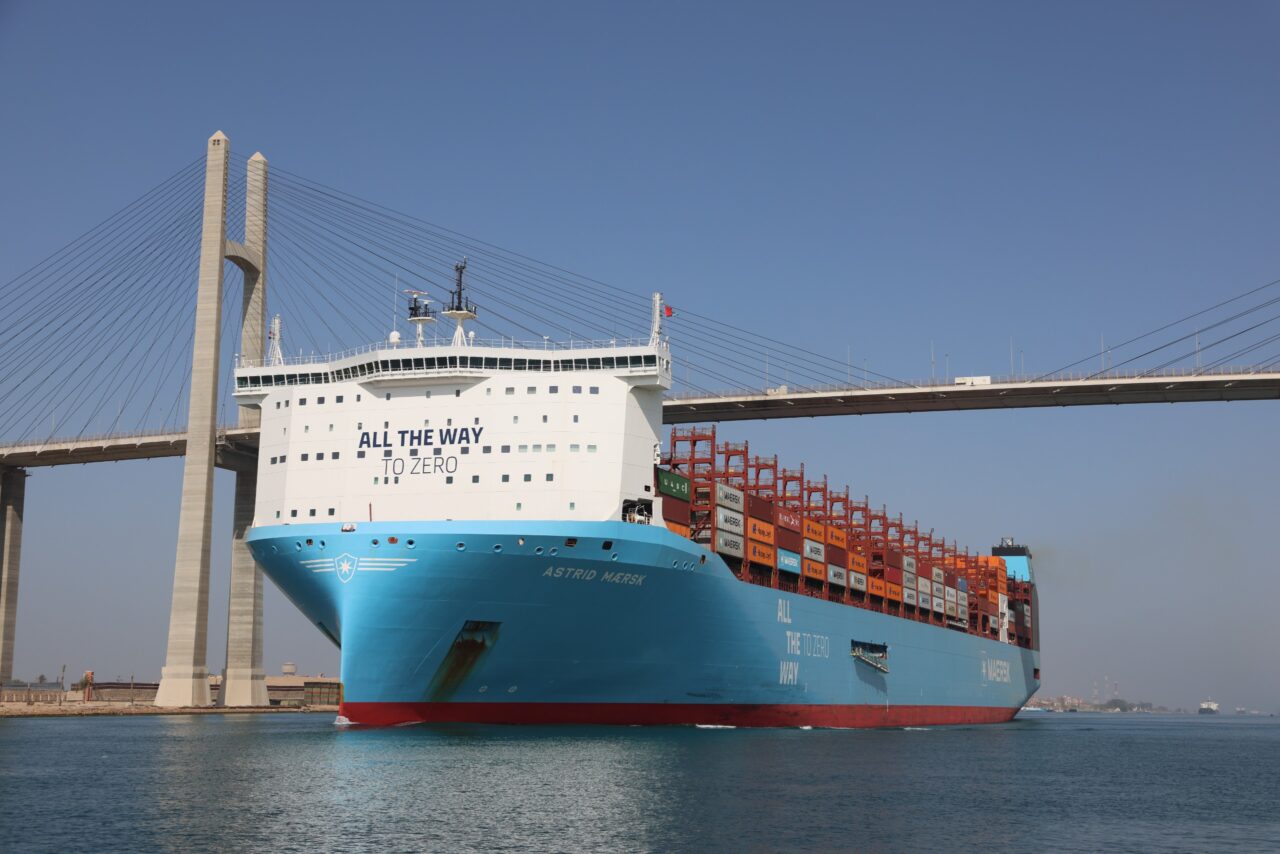
The First Fruits of Recovery
The redirection of Gemini’s ME-11 service signals what officials describe as a “return to the right course”—the most efficient and sustainable route for global trade flows between Asia and Europe. It reflects renewed confidence among major shipping lines in the canal’s operational reliability and economic viability.
The Authority confirmed that its flexible marketing policies and incentive programs throughout 2025 have already borne fruit. A total of 784 vessels were successfully attracted back to the canal, with combined net tonnage reaching 36.6 million tons, generating revenues of $170.4 million.
Notably, ASTRID MAERSK benefits from Circular No. (3/2025), which grants a 15% discount on transit tolls for container ships exceeding 130,000 net tons—whether laden or ballast. Since its issuance last May, the circular has contributed to the return of 64 vessels, totaling 9.9 million net tons.
A Corridor Reaffirmed
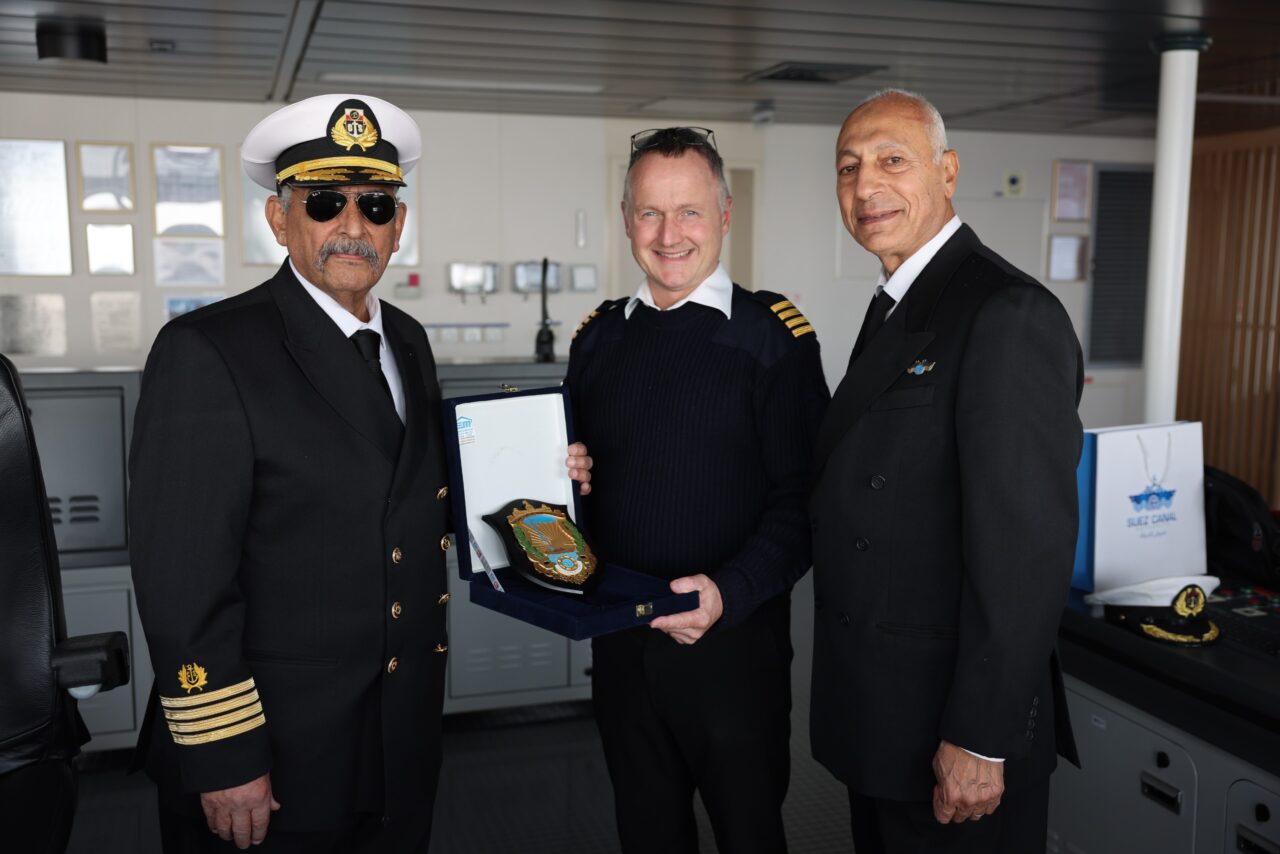
In accordance with long-standing protocol for first-time transits, senior pilots boarded the vessel to welcome its crew and present a commemorative plaque to the captain—a maritime gesture symbolizing partnership and continuity.
On the same day, the canal recorded the passage of 36 vessels with a combined tonnage of 2 million tons, reinforcing signs of gradual recovery in navigation rates.
The transit of ASTRID MAERSK is thus more than a crossing—it is a statement. A reminder that geography, when paired with adaptive policy and strategic engagement, remains destiny.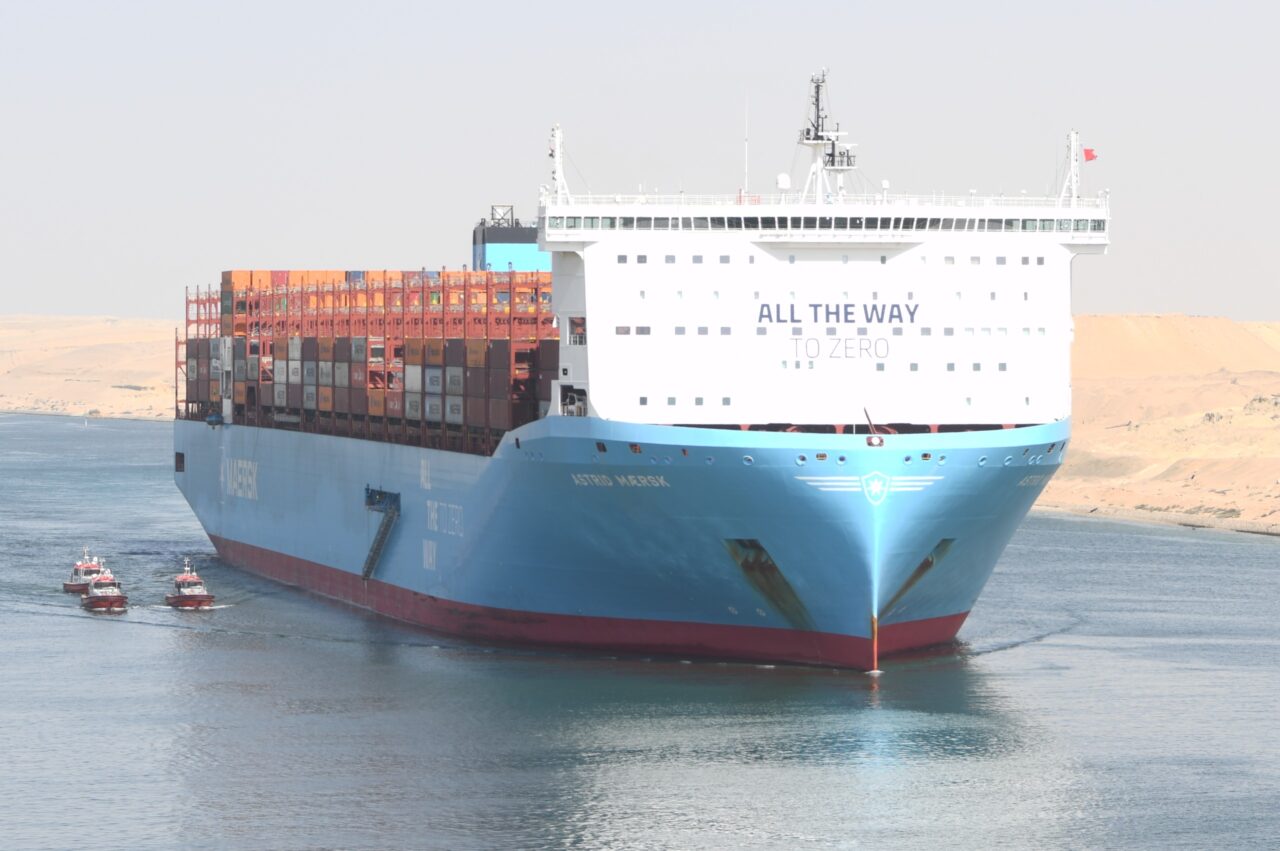
And once again, the shortest route calls the world back to its waters.