Ashraf AboArafe
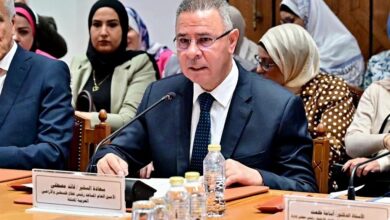
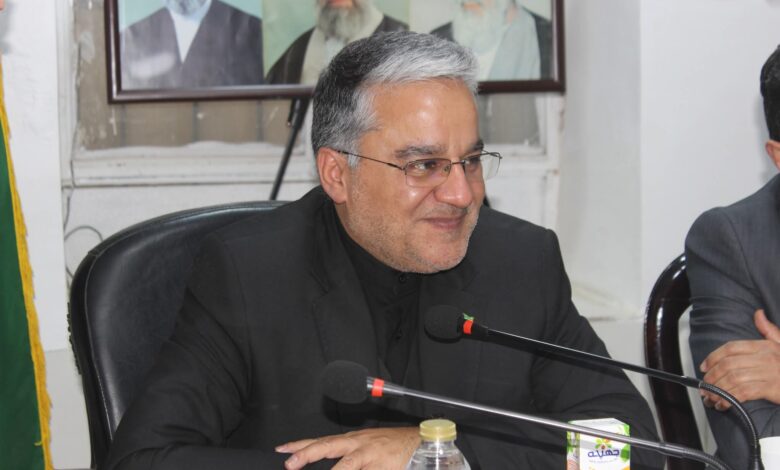
IN a scene reflecting the intensifying tone of political discourse and the growing overlap between battlefield dynamics and diplomacy, Ambassador Mojtaba Fardousi Pour, Ambassador of the Islamic Republic of Iran to Cairo, held a press conference outlining Tehran’s perspective on the latest developments in the ongoing conflict. His remarks underscored that Iran is operating from a position of strength rather than reaction.
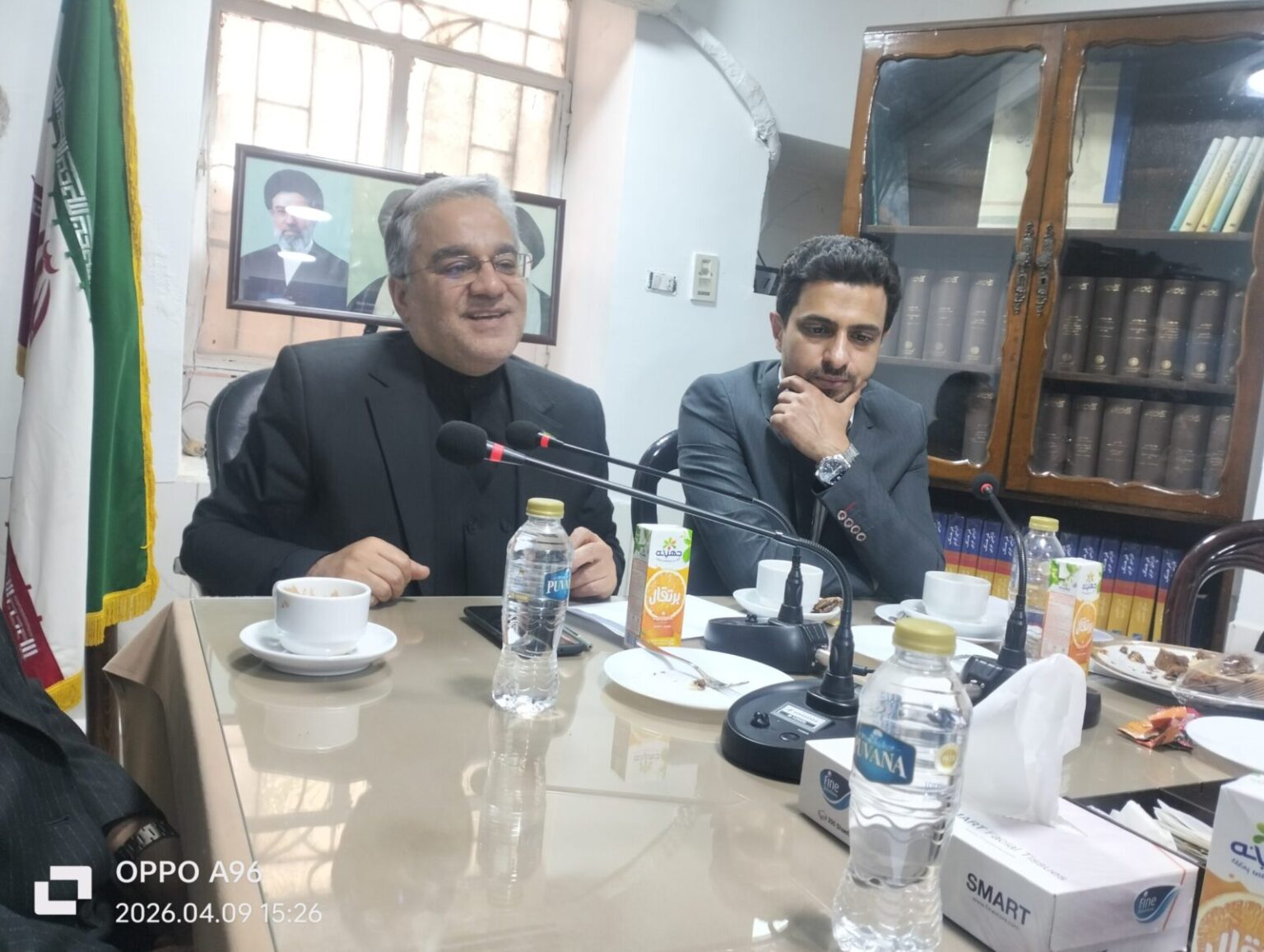
The Ambassador opened his address by marking the first Arbaeen (fortieth-day commemoration) of the passing of Imam Ali Khamenei and his companions, describing the occasion as deeply symbolic in the Iranian collective consciousness—a reflection of continuity, resilience, and the enduring linkage between leadership and sacrifice.
He emphasized that the past forty days have not merely been a period of endurance, but rather a strategic تحول (transformation) in deterrence dynamics, enabling Iran to move beyond defense toward imposing new equations on the ground—a shift now mirrored in the political arena.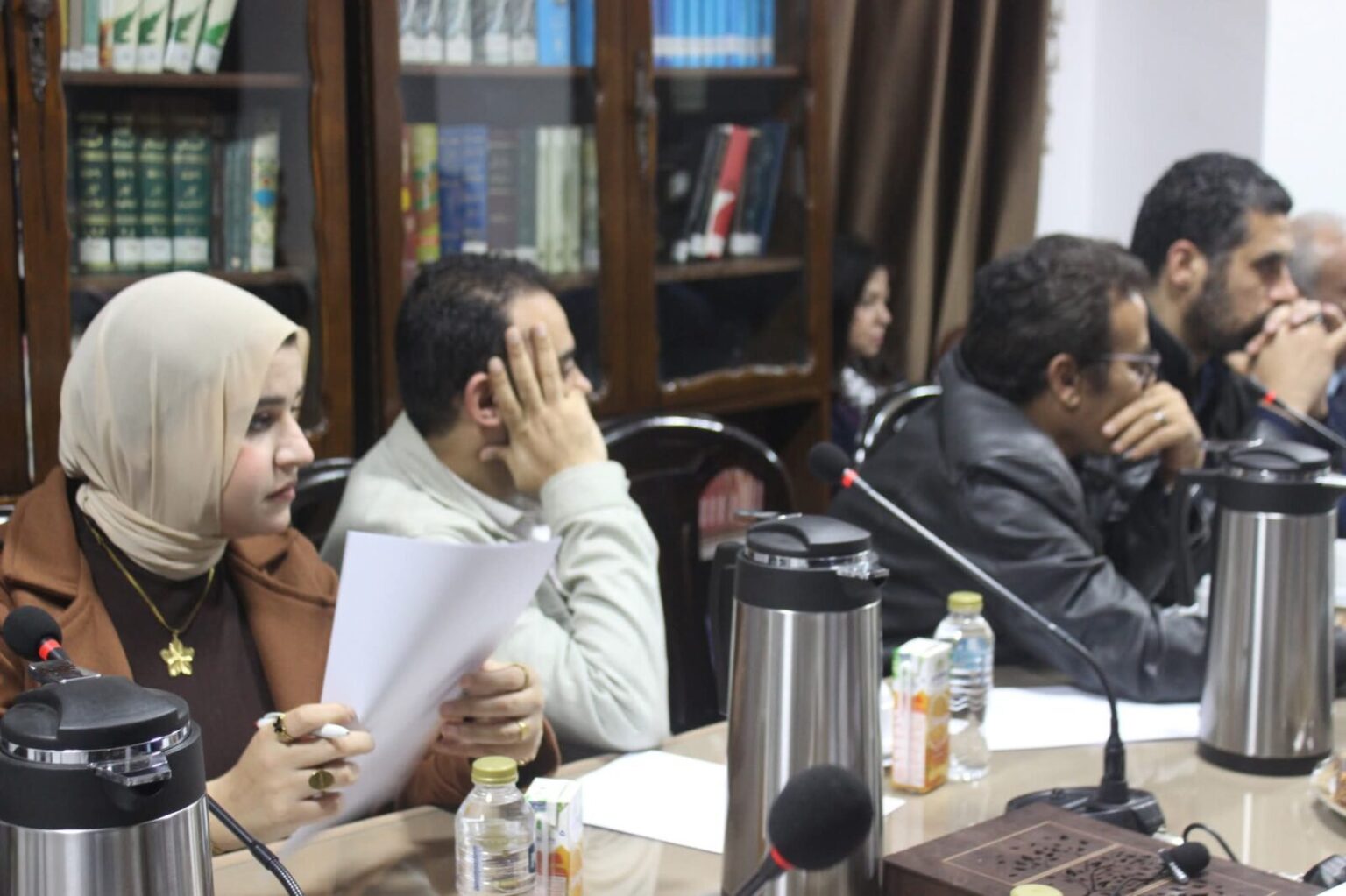
According to the Ambassador, Tehran does not separate military engagement from political negotiation. Instead, diplomacy is framed as an extension of the battlefield, governed by a precise equation: negotiation without trust, and leverage derived from strength.
Within this context, he praised Egypt’s efforts to de-escalate regional tensions, noting the existence of ongoing communication channels between Cairo and Tehran, and highlighting Egypt’s pivotal role in maintaining regional balance.
The Ambassador further stressed that any potential agreement must rest on clear and comprehensive foundations, including the full lifting of sanctions, the release of frozen assets, and the withdrawal of U.S. military presence from the region. He firmly stated that any partial or incomplete settlement would be unacceptable.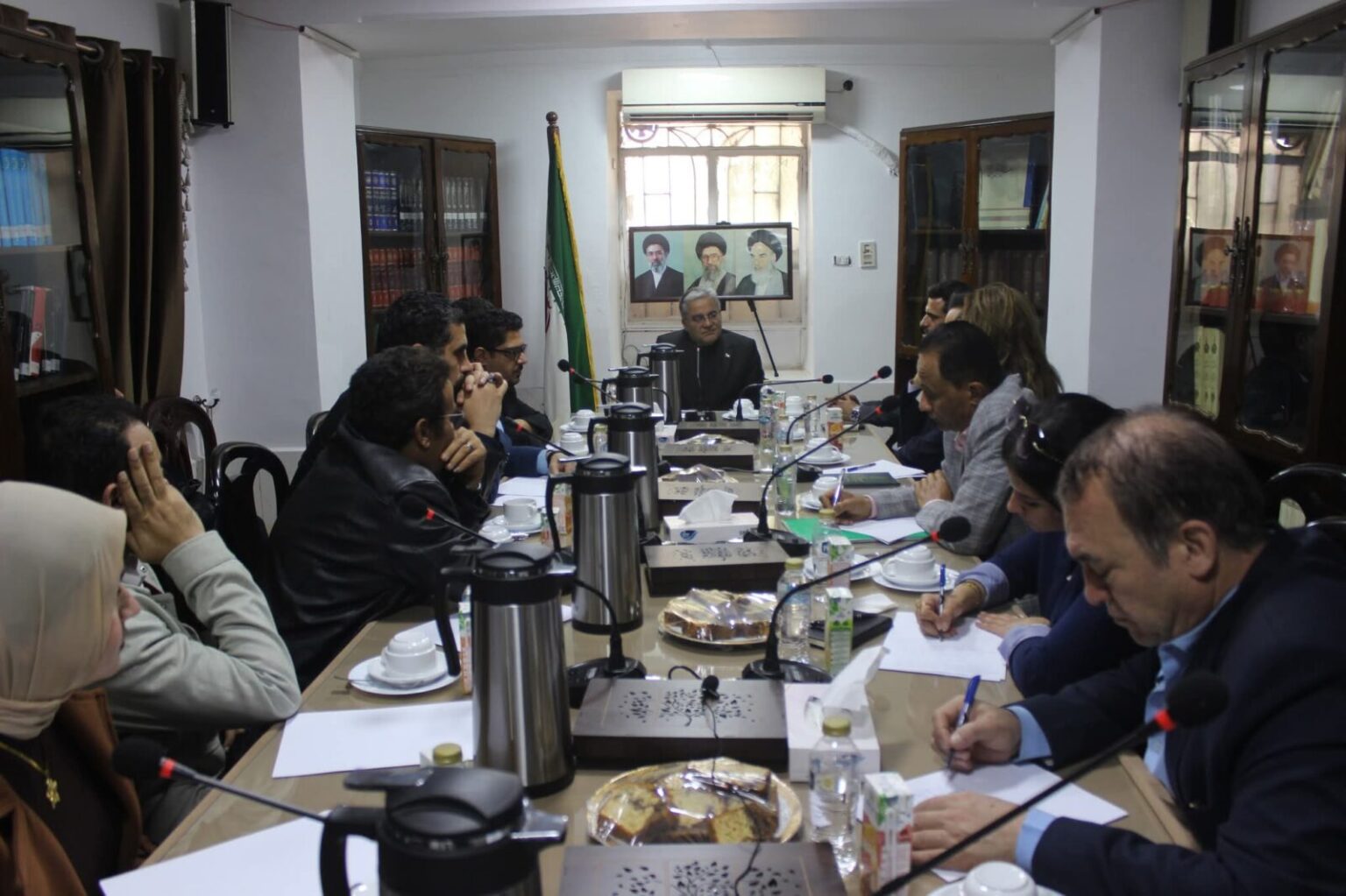
Concluding his remarks, he affirmed that Iranian armed forces remain at the highest level of readiness, warning that any escalation would be met with a decisive response. The coming phase, he noted, will ultimately be defined by one of two paths: a comprehensive political victory or continued confrontation until all objectives are achieved.