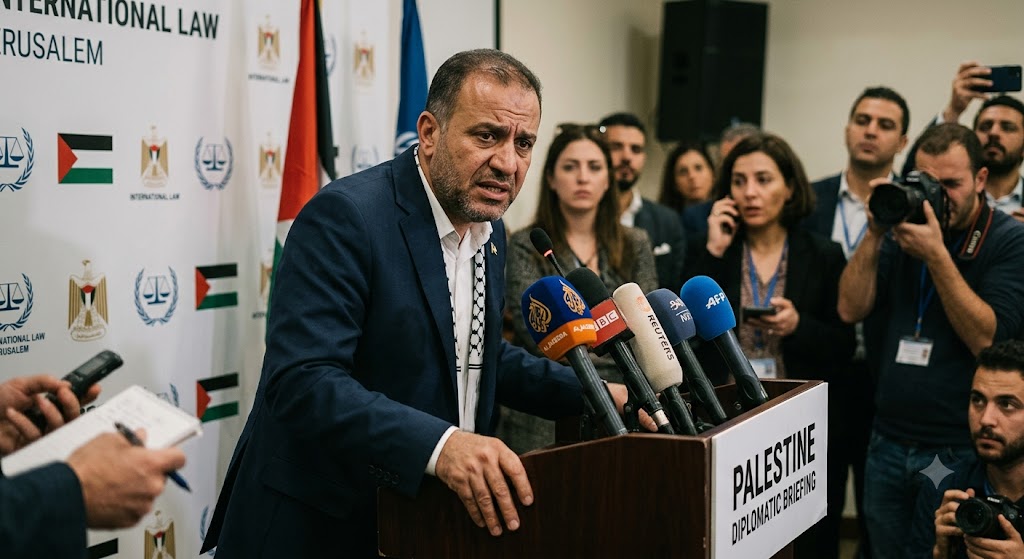
 Ashraf AboArafe writes
SLOVENIA’S sudden backtracking on its recognition of the State of Palestine—coupled with its declared intention to relocate its embassy to Jerusalem—represents a genuine tremor in international diplomacy. This step not only shatters the growing European consensus but also strikes at the core of recently achieved legal milestones, throwing the door wide open to pressing questions regarding the behind-the-scenes dynamics of this abrupt reversal and the cohesion of the regional stance.
First: The Timing of the Maneuver… Why Now? And What Emboldened Slovenia?
The primary driver behind this reversal lies in shifting domestic political dynamics within Ljubljana, marked by the rise of conservative right-wing factions seeking to realign their foreign policy portfolios at the expense of historical rights.
As for the timing, it capitalized on regional exhaustion and an attempt to establish a legal precedent that legitimizes “diplomatic backsliding” as a tool for political leverage. This move exploits a deeply entrenched perception in Western decision-making capitals that official Arab responses rarely transcend rhetorical condemnation and cold statements.
Second: Behind-the-Scenes Decisions… Are There Hidden Dimensions Behind the Surprise?
In the world of backchannel diplomacy and closed-door sessions, major question marks arise regarding the true motives prompting such a politically risky move:
-
Did the decision bow to narrow transactional interests? Could Slovenia have received assurances or understandings from regional actors to close this file in exchange for energy deals or specific economic investments?
-
Was a policy of “choking the air” deployed? As indicated earlier; did Slovenia face pressure from an Arab League member state threatening to cut off its economic lifeline? Was there an attempt to deprive Ljubljana of “diplomatic oxygen” to keep it breathing only political “carbon dioxide” until it acquiesced? The conspicuous silence of certain capitals begs the question: Were there covert contacts and under-the-table understandings that emptied the collective stance of its substance?
Third: The Arab League and Fact-Finding… Between Monitoring and Sifting
Thus far, the Arab League relies on traditional diplomatic monitoring tools and confidential questionnaires to gauge member states’ positions.
-
Identifying Stances: The current landscape demands a clear distinction; while nations with historically steadfast and authentic positions stand at the forefront of rejecting and condemning this step, other parties remain silent. This raises questions about how urgently the League needs genuine sifting mechanisms to identify actual positions and uncover any covert communications.
Fourth: The Arab Punitive Arsenal… Will We Witness a Severance of Relations or Expulsion of Ambassadors?
Judging by the Arab League’s current traditional performance, there are no indicators of radical measures such as a comprehensive severance of relations or a collective recall of ambassadors. This is primarily due to the lack of binding consensus in the League’s decision-making process.
The Diplomatic Reality: As long as resolutions remain non-binding, pressure will remain confined to “diplomatic reprimands” and warning letters—such as those dispatched by Secretary-General Nabil Fahmy—for fear of causing a wider rift in Arab ranks that would expose deep-seated internal differences.
Fifth: The Roadmap to “Active Engagement”… Transitioning from Traditional Performance to Real Impact
Transitioning joint Arab action from rhetoric to efficacy requires a structural overhaul of the Arab League’s operational mechanisms:
-
Do we need specialized investigative committees? Has the time not come to form committees characterized by unprecedented transparency and carefully selected personnel to track the behind-the-scenes political maneuvers and verify the nature of actions detrimental to national security?
-
Budgetary and Constitutional Independence: Ending the system of “financial hegemony” and unifying financial contributions equally among all members is the sole path to guaranteeing independent political decision-making within the League. Only then can the principle of “equality in acceptance and rejection” be realized, allowing the League to truly reflect a collective will immune to external pressures or influence.
In Conclusion
The Arab League’s statement yesterday evening (13/7/2026) clearly laid down the legal boundaries and warned of the dangers of the Slovenian precedent, which could tempt other nations to walk back their positions. However, despite its legal weight, the statement remains a moral appeal directed at the European Union. Translating this warning into an actual deterrent requires first boldly reviewing and politically sifting through internal stances, ensuring that friendly capitals do not fall victim to policies of silent retreat or unannounced understandings in dark rooms.