 Ashraf AboArafe writes
NOT every political statement passes as a routine remark. Some carry the weight of a national vision, illuminating a path toward institutional renewal and democratic vitality. Such is the significance of the recent remarks by Mr. Amr Moussa, one of the Arab world’s most distinguished diplomats, whose support for President Abdel Fattah El-Sisi’s call to revitalize political life and hold long-awaited local council elections represents far more than political endorsement—it offers a comprehensive roadmap for strengthening Egypt’s political foundations.
Mr. Moussa’s statement touches one of the most pressing issues facing Egypt today: a strong state is measured not only by the effectiveness of its executive institutions but also by the vitality of its political system, the strength of its parties, and the active participation of its citizens in public affairs.
His endorsement reflects a profound understanding that political reform is no longer a distant aspiration but a strategic necessity, complementing the remarkable progress Egypt has achieved in national security, infrastructure development, economic modernization, and state-building over the past decade. Sustainable development reaches its fullest potential only when accompanied by vibrant political institutions capable of channeling public participation and producing future leadership.
At the heart of this vision lies the importance of local councils. Far from being merely administrative bodies, they constitute the first school of democracy, where future leaders acquire practical experience in governance, public service, and accountability. It is within Egypt’s cities, towns, and villages that political leadership is cultivated, allowing capable individuals to emerge through direct engagement with the daily concerns of citizens.
Mr. Moussa rightly emphasized that strong political parties should never be viewed as a threat to the state. On the contrary, they are among its greatest sources of resilience. A confident nation does not fear political pluralism; it embraces it as a safeguard against stagnation, extremism, and political vacuum. Healthy competition among parties generates innovative policies, renews political elites, and strengthens citizens’ confidence that their voices genuinely matter.
Equally significant is his call to accelerate the implementation of the constitutional requirement to hold local elections. Years of postponement have deprived Egypt’s political system of one of its most important institutional pillars, weakening the natural connection between citizens and local governance. Conducting these elections today would therefore represent the beginning of a new era of political maturity, reinforcing administrative efficiency while restoring public confidence in representative institutions.
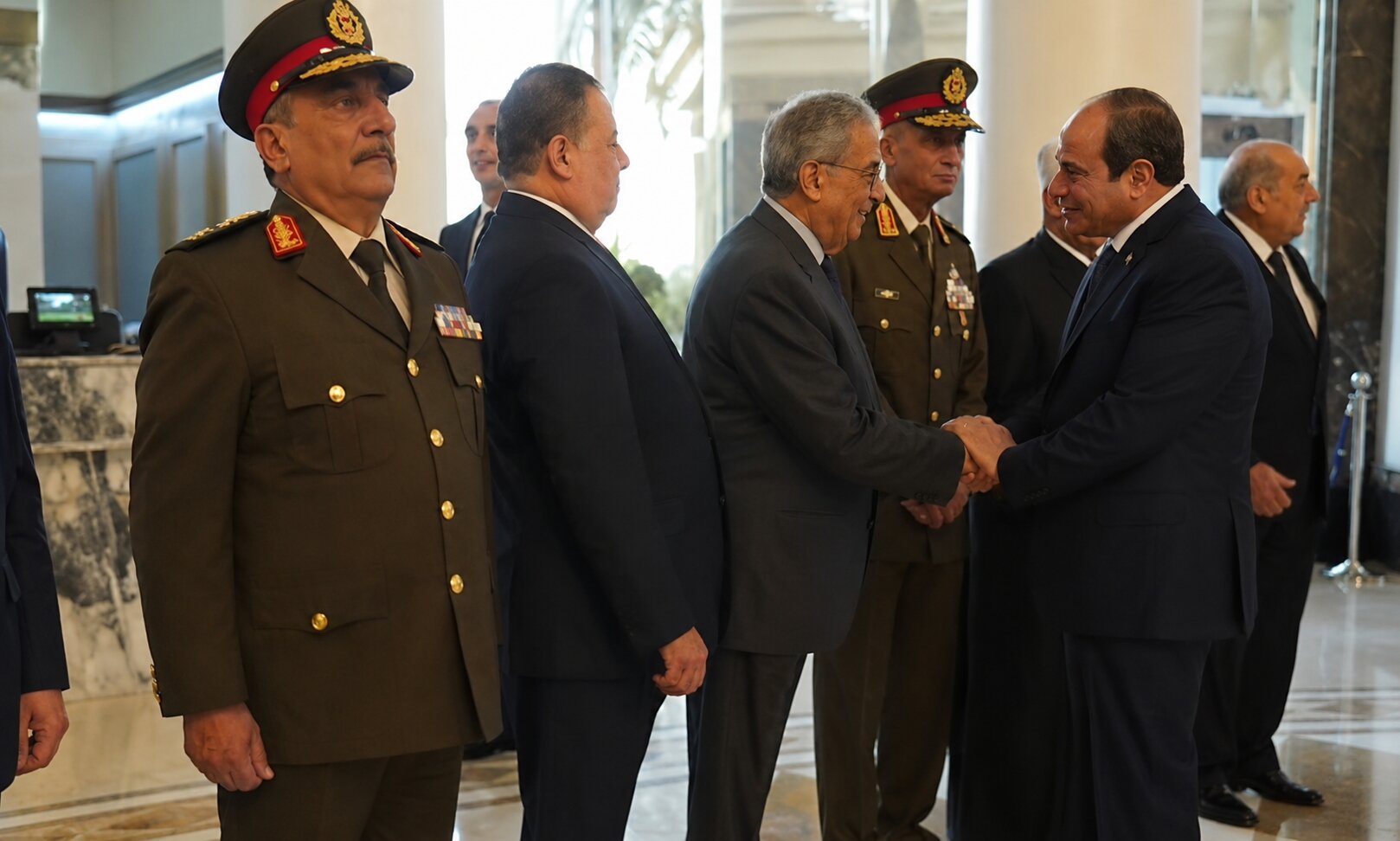
What makes Mr. Moussa’s remarks particularly compelling is their harmony with President El-Sisi’s own vision for the future of Egyptian political life—a vision that encourages broader participation, responsible dialogue, and stronger political institutions while preserving national unity and stability. It reflects an understanding that reform should proceed through constitutional mechanisms and institutional development rather than confrontation or polarization.
As Egypt advances toward the next stage of its national development, the equation of state-building remains incomplete without parallel investment in political life. Roads, cities, ports, and economic projects provide the physical infrastructure of a modern nation, but dynamic political parties, empowered local governance, and renewed leadership provide its democratic infrastructure. Together, they ensure that development is not merely sustainable but also participatory.
In this context, Mr. Amr Moussa’s statement transcends the boundaries of ordinary political commentary. It is a national appeal to awaken Egypt’s political pulse, restore confidence in party politics, empower local governance, and encourage citizens to play a more active role in shaping their country’s future.
Ultimately, the message is both timely and enduring: lasting stability is not achieved through political silence, but through meaningful dialogue; not by weakening political institutions, but by strengthening them; and not by limiting participation, but by expanding it within the framework of the Constitution and the rule of law.
When the vision of the President converges with the wisdom and experience of one of Egypt’s foremost statesmen, a unique opportunity emerges to open a new chapter—one defined by a more vibrant political life, stronger democratic institutions, and a more confident and engaged citizenry.