Ashraf AboArafe
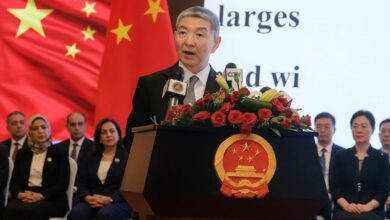
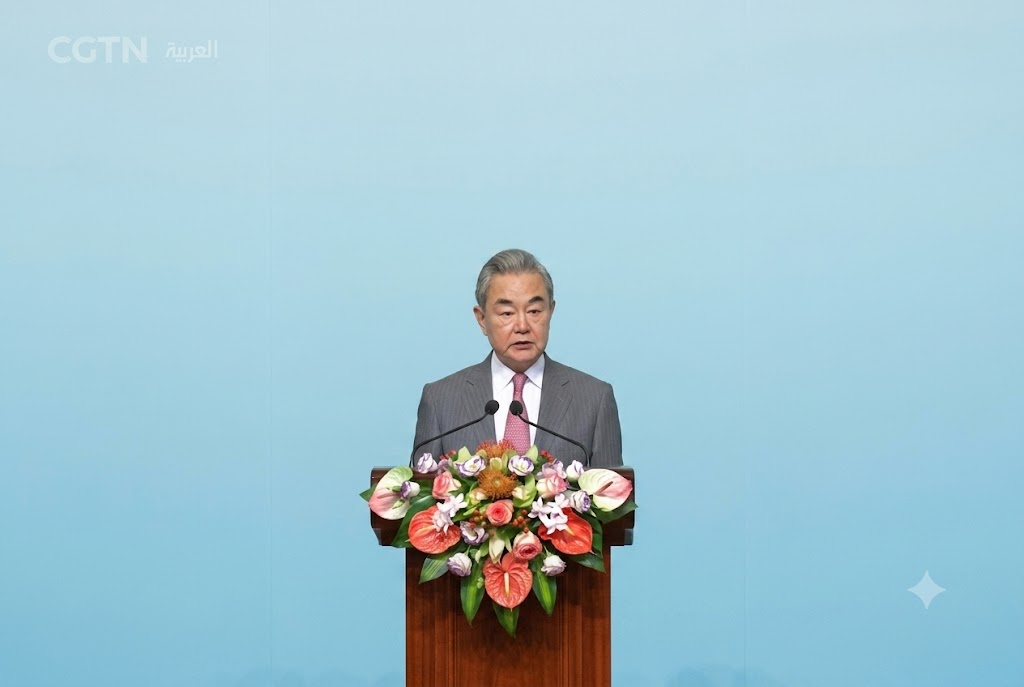
MARKING the fifth anniversary of the Global Development Initiative (GDI) in Beijing, Chinese Foreign Minister Wang Yi highlighted the country’s evolving foreign policy framework. The high-level meeting serves as both a review of the initiative’s progress and a strategic declaration of China’s diplomatic priorities on the world stage.
1. Diplomatic Positioning as a “Responsible Major Power”
Wang Yi’s rhetoric places China’s identity as a “responsible major country” (دولة كبرى مسؤولة) at the center of its foreign policy strategy.
-
Soft Power Projection: Framing foreign relations around economic cooperation, technical assistance, and poverty alleviation reinforces an image centered on stability rather than military or political intervention.
-
Institutionalization of the GDI: Marking a five-year milestone demonstrates that the GDI—launched in 2021—has evolved into a long-term, institutionalized strategy alongside the Belt and Road Initiative (BRI) and the Global Security Initiative (GSI).
2. Strategic Alignment with the United Nations
Aligning the GDI with the UN 2030 Agenda for Sustainable Development achieves key diplomatic objectives:
-
Multilateral Legitimacy: Linking Chinese development programs directly to UN Sustainable Development Goals (SDGs) counters claims of creating parallel, Beijing-centric governance systems.
-
Global South Leadership: By prioritizing economic development on the global agenda, Beijing anchors itself as a primary representative for developing nations whose pressing needs center on infrastructure, industrialization, and poverty reduction.
3. Ideological Anchor: “A Community with a Shared Future”
The speech invokes the concept of building a “Community with a Shared Future for Mankind” (مجتمع المصير المشترك للبشرية), a core doctrine of contemporary Chinese diplomacy.
-
Alternative Governance Framework: This narrative contrasts global power competition with economic interdependence, advocating for state-led development and win-win cooperation.
-
Pragmatic Consensus: Framing international relations around economic development allows China to build consensus across diverse political systems without imposing ideological conditionality.
4. Coalition Building and Mutual Cooperation
Delegates at the summit noted the initiative’s role in advancing international cooperation.
-
Expanding Alliances: Participation from international envoys and UN agency representatives highlights Beijing’s success in broadening its diplomatic reach.
-
Non-Conditional Assistance: For many participating states, the GDI offers actionable pathways to infrastructure and development finance without the traditional political conditions associated with Western financial institutions.