Ashraf AboArafe
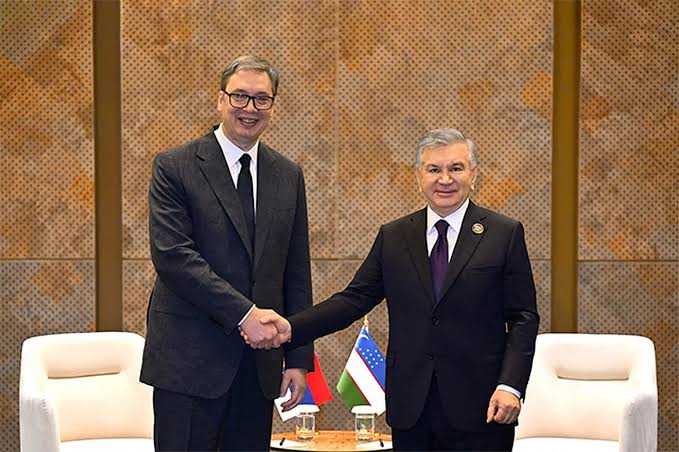
THE analysis of Minister Ozodbek Nazarbekov’s document reveals a strategic shift in Uzbekistan’s foreign policy framework—one that transitions from standard diplomatic overtures to deep-seated cultural and scientific soft power.
Core Analytical Themes
-
Intellectual Soft Power over Passive Heritage: Rather than relying solely on traditional showcases like static museum displays or folklore performances, the initiative leverages a shared scientific legacy. Framing the partnership around mathematical and technological giants—Muhammad al-Khwarizmi and Nikola Tesla—elevates the dialogue from mere historical appreciation to a shared contribution to global civilization and modern science.
-
Shift from Rhetoric to Operational Mechanics: The document emphasizes moving past non-binding treaties (“legal framework into practical, substantive cultural projects”). The strategy relies on concrete deliverables: joint film productions, bilateral translation programs, municipal ties (Tashkent–Belgrade), and digital archive integration.
-
Institutionalized “People-to-People” Diplomacy: State-level pacts are sustainable only when backed by micro-level human interactions. Creative residencies, translator seminars, masterclasses, and city-to-city exchanges serve as the primary engines for long-term stability.
Key Operational Pillars
Cinematic Collaboration
The flagship initiative is the joint film production “From Al-Khwarizmi to Tesla”. This project is designed to engage younger audiences while contextualizing both nations’ historical contributions to global science.
Literary & Archival Exchange
Focuses on systematic translation programs alongside joint museum restoration and digitization. This builds conceptual and linguistic bridges while safeguarding shared historical memory.
Municipal Alignment
Leverages the Belgrade–Tashkent sister-city framework established in late 2025 to decentralize cultural diplomacy into direct municipal and human-level interaction.
Systematic Cultural Events
Establishes reciprocal “Days of Culture” starting in 2026 to transform sporadic visits into a structured, continuous cultural dialogue.
Strategic Takeaway
Minister Nazarbekov’s vision reflects a modernized approach to Central Asian-Balkan relations. By positioning culture as an active, intellectual process rather than a static past, Uzbekistan and Serbia are building a sustainable model of soft-power cooperation. The focus on concrete timelines, digital integration, and youth engagement ensures that these diplomatic ties yield measurable cultural and scientific outcomes rather than symbolic gestures.