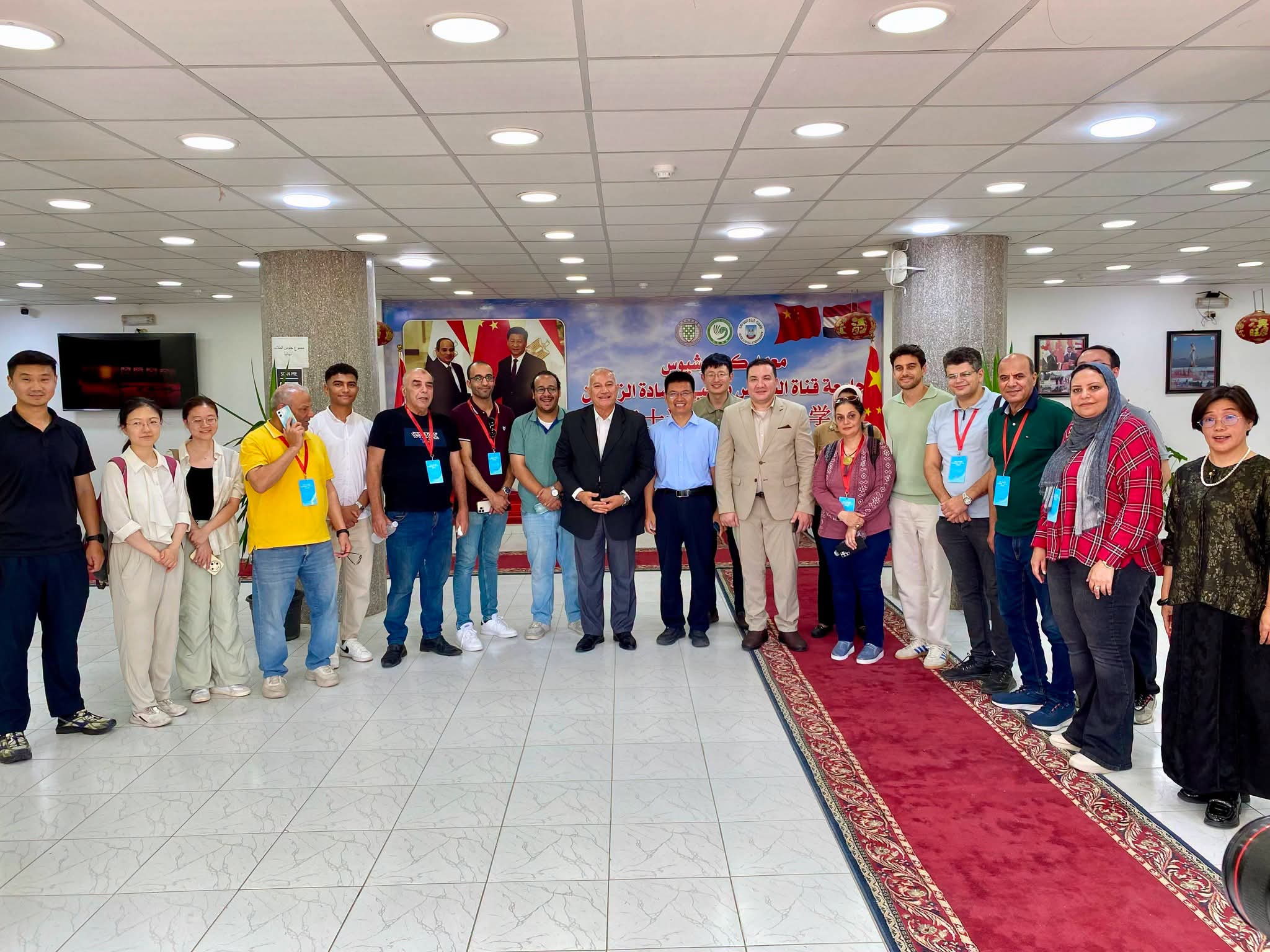
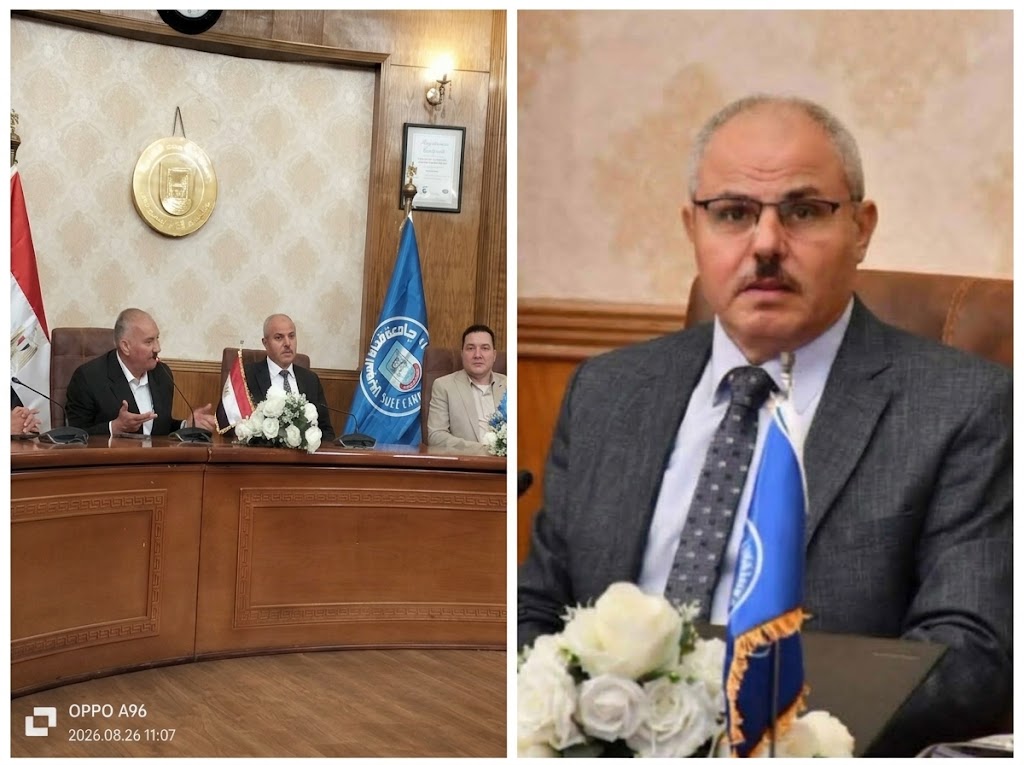
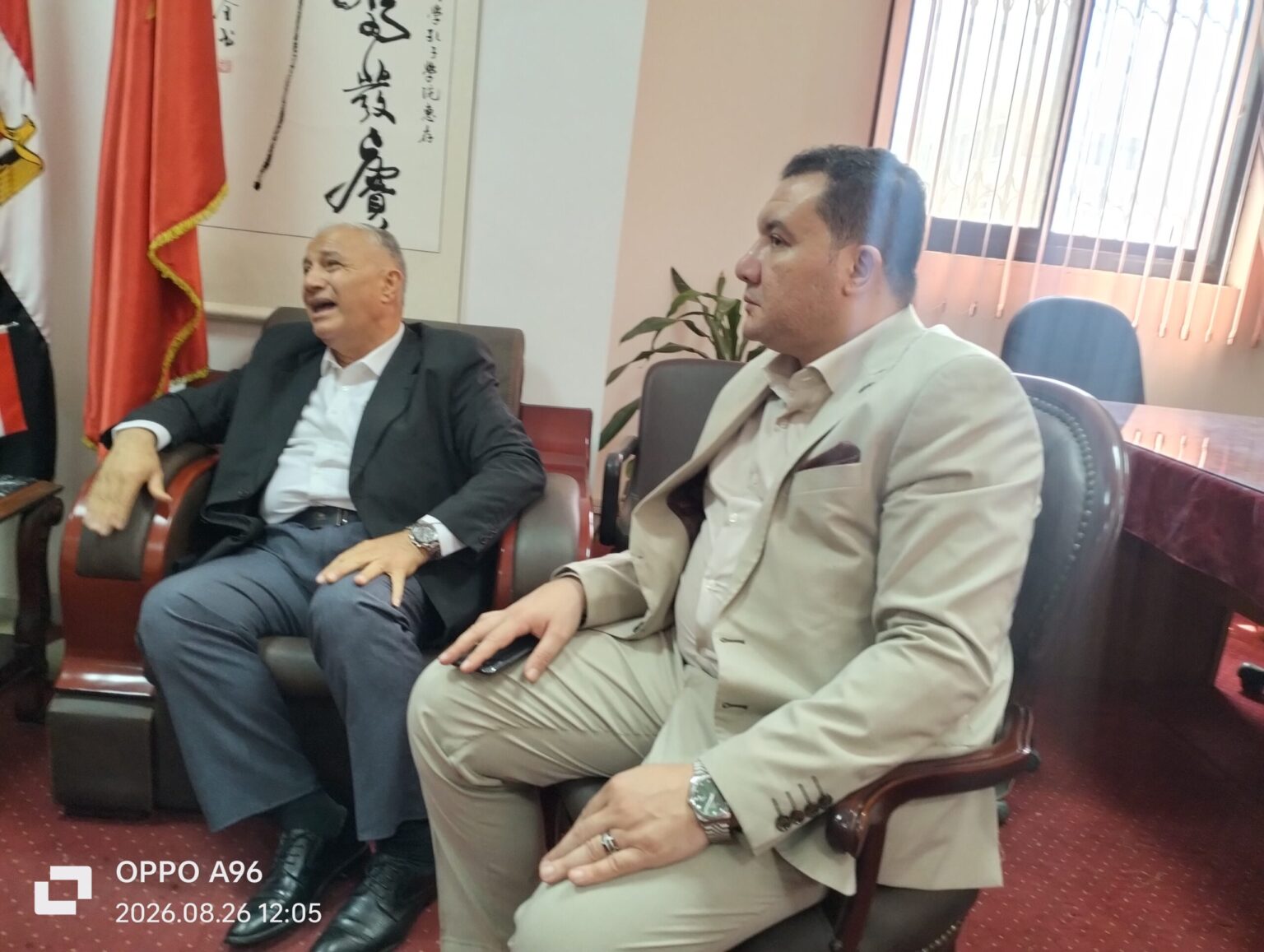
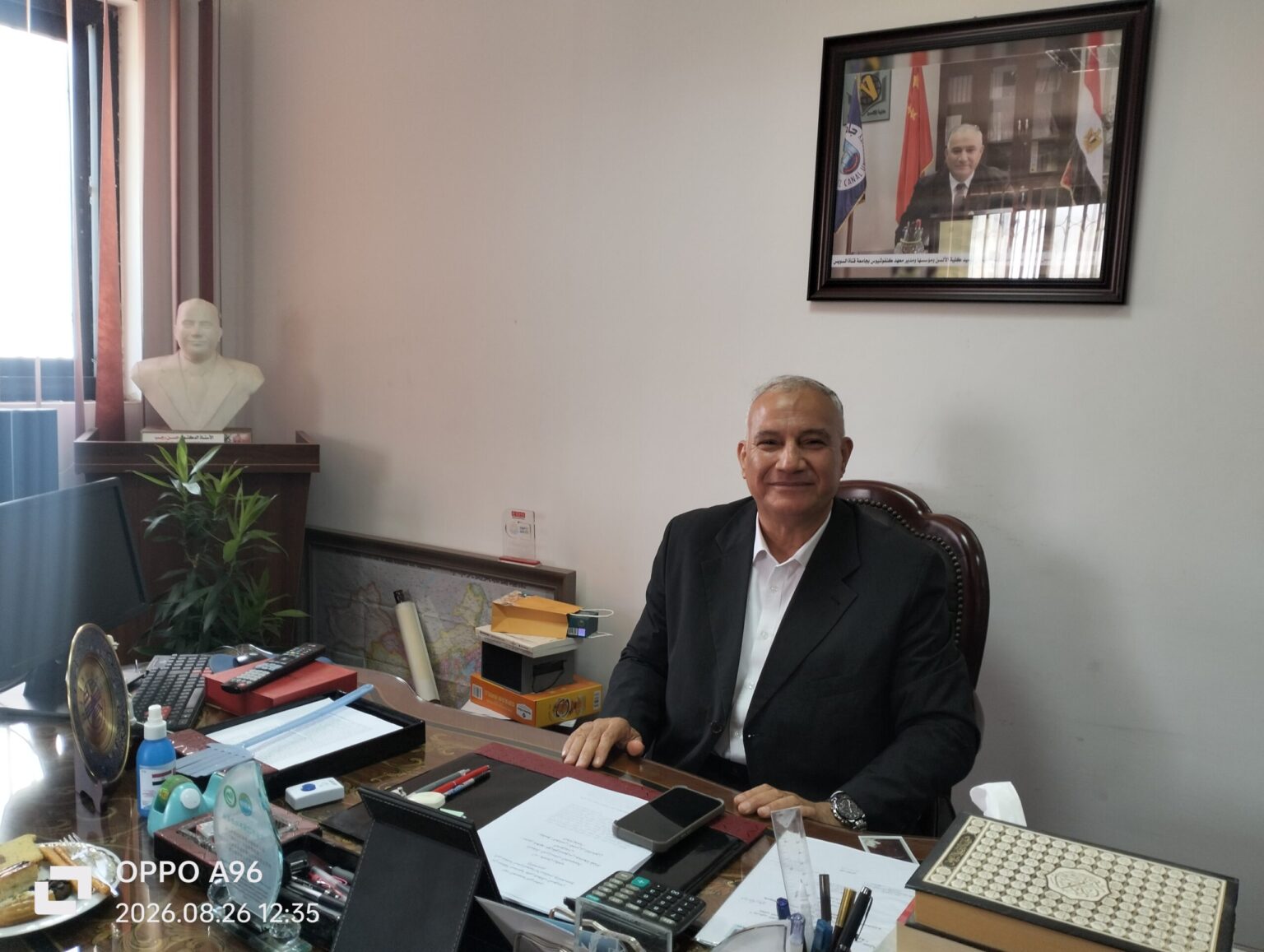
AS part of the events commemorating the 70th anniversary of diplomatic relations between the Arab Republic of Egypt and the People’s Republic of China, Prof. Dr. Nasser Mandour, President of Suez Canal University, received a high-level Chinese media delegation from the leadership and correspondents of People’s Daily—China’s largest newspaper—accompanied by a delegation of Egyptian journalists. The meeting was attended by Dr. Hassan Ragab, Dean of the Faculty of Al-Alsun and Executive Director of the Confucius Institute, and Dr. Mohamed Bagha, Head of the Business Administration Department at the Faculty of Commerce.
oplus_2
Shared History and the Family Spirit
Dr. Nasser Mandour welcomed the visiting delegation, emphasizing that the depth of relations between the two countries transcends traditional diplomatic frameworks into a cultural and human dimension, rooted in Eastern traditions and the spirit of one family. He explained that the enduring friendship between President Abdel Fattah El-Sisi and Chinese President Xi Jinping forms the solid foundation for strengthening the strategic partnership launched in 2014.
Mandour also highlighted the upcoming visit of the Chinese President to Egypt, noting that it opens new horizons and heralds exceptional achievements alongside the 70th anniversary of relations. He recalled Egypt’s historic precedent as the first Arab and African nation to recognize the People’s Republic of China in 1956 and support its entry into the United Nations.
A Model for Academic and Developmental Engagement
The University President showcased SCU’s pioneering model in scientific cooperation, which has been marked by key historical milestones:
Confucius Institute (2008): A beacon for spreading language and culture.
Institute of Aquaculture (2013).
Faculty of Al-Alsun (2016).
Egyptian-Chinese College of Applied Technology (2018): Established through cooperation with Beijing Information Science and Technology University and the “Misr El-Kheir” Foundation at a cost of $10 million to equip laboratories and practical simulation setups by 2024.
For their part, the Chinese delegation commended the university’s enlightening role and praised Dr. Nasser Mandour as the first Egyptian university president to earn a Ph.D. from China (South China Agricultural University, 2004), making him a living example of knowledge exchange between both nations.
oplus_2
Education Serving Economic Development
Dr. Mandour noted the university’s involvement in establishing a technical training center in partnership with the Chinese side and the Ministry of Higher Education. The center aims to qualify personnel to work in investment companies within the Suez Canal Economic Zone (in Ain Sokhna and Abu Khalifa). He praised the inclusion of the Chinese language in Egyptian school curricula as a major step toward building cultural bridges between the East and the region.
Bridge of the East: When Ismailia Speaks the Language of the Dragon
Between the quiet flow of the Canal and the serene shores of Ismailia, a unique story unfolds—one that crosses not just goods, but cultures and languages. Here at Suez Canal University, the Confucius Institute, led by Prof. Dr. Hassan Ragab, has become a sanctuary blending the richness of Egyptian civilization with China’s forward-looking drive. This initiative went beyond classroom lessons into a strategic vision that led to incorporating Chinese into the Egyptian education system, introducing over 100,000 students across Egyptian schools to this promising language.
The philosophy of the institution centers on creating a rich blend of education and practical training:
Cultural Diplomacy and Bridge-Building: Fostering mutual understanding that bridges cultural gaps—where Egyptian engineers learn to navigate Chinese drive and work culture, and Chinese experts adapt to Arab traditions and local environments.
Linking Academia with Industry: Turning university corridors into a real engine serving the investment zones in Sokhna and Abu Khalifa, ensuring graduates step directly into employment.
Continuous and Creative Education: Moving away from rigid traditional models toward professional diplomas and applied programs (such as hospital management, sports, and information systems), proving that learning extends far beyond a degree.
Development Vision and Labor Market Requirements
Focus Area
Current Status
Future Vision & Proposed Solutions
Teaching Staff
Two-thirds Chinese expertise and one-third Egyptian, with a general shortage across universities.
Expand training and qualification of Egyptian instructors to become the core teaching staff in the future.
Institutional Training
Limited to workplace environments with digital program challenges.
Adopt interactive field training (both on and off the job) inside and outside the workplace.
Industrial Partnership
A gap between manufacturers’ investments and scientific research outcomes.
Enhance applied research conferences to directly connect factory owners with academic innovations.
It is a story of building human potential alongside infrastructure—recognizing that a nation’s true strength lies in the vigor of its youth, and that the River Nile and the Chinese Dragon can join forces to foster quality, development, and a brighter tomorrow.
Tour of the Institute and the Canal
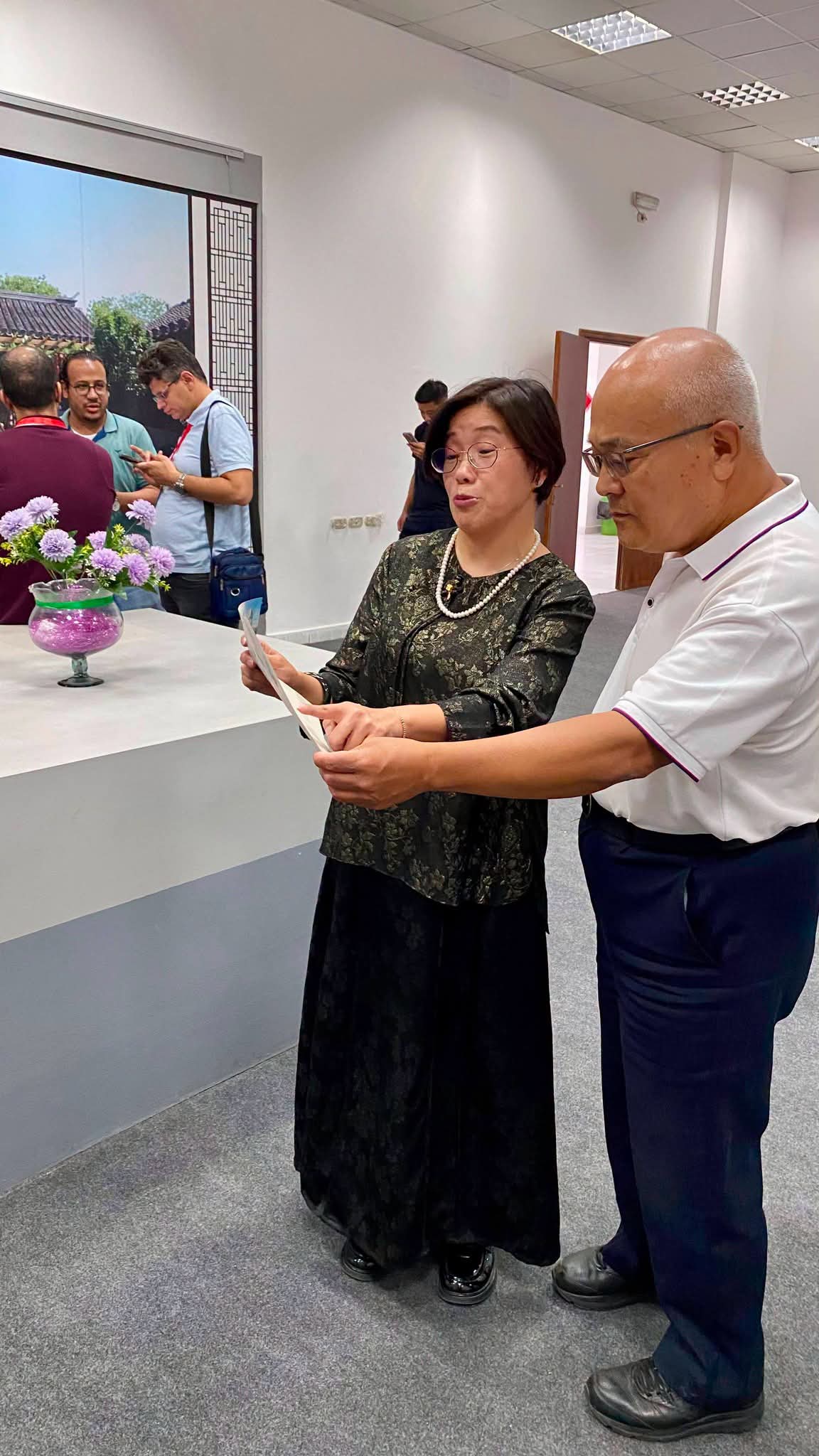
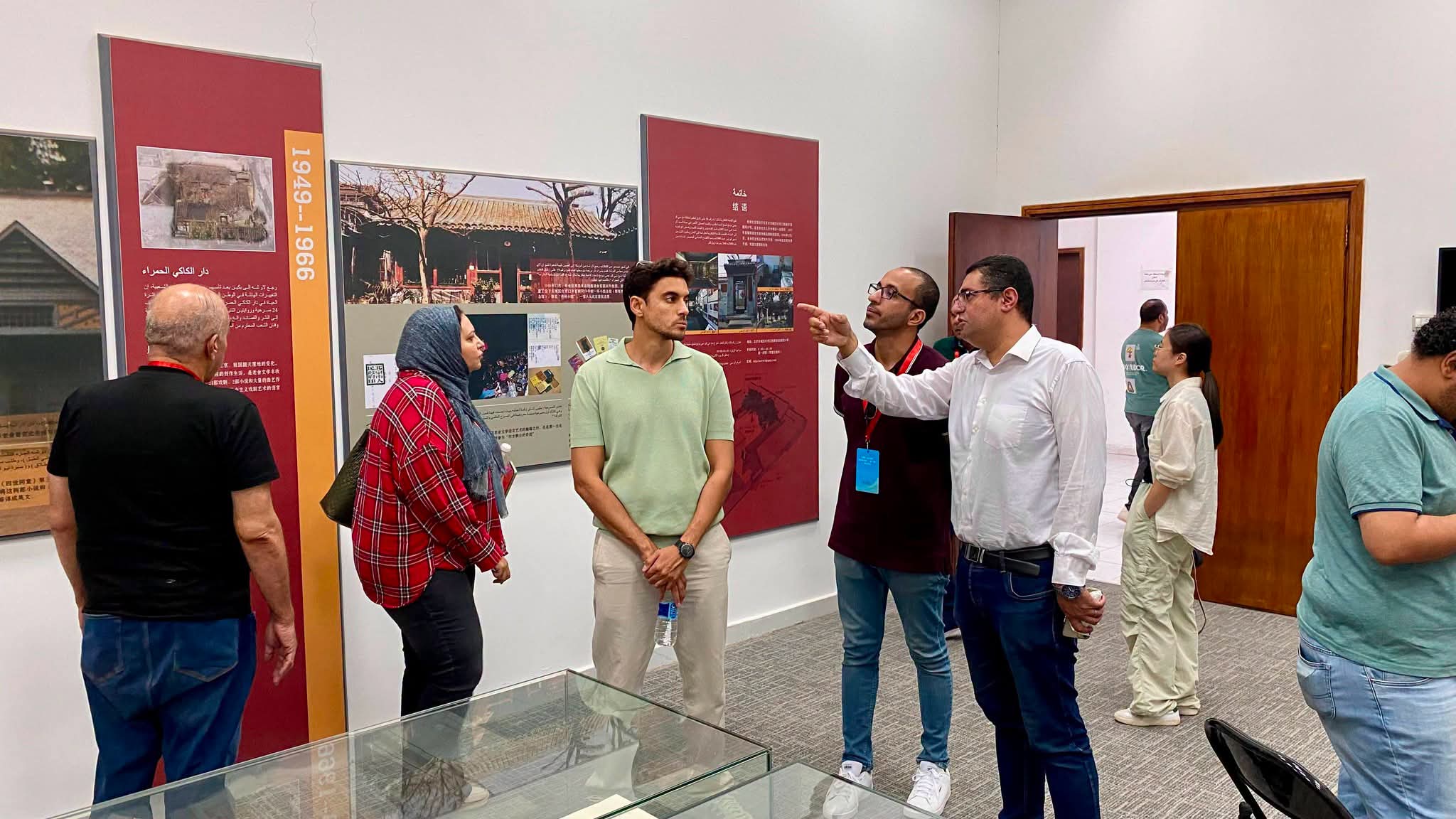
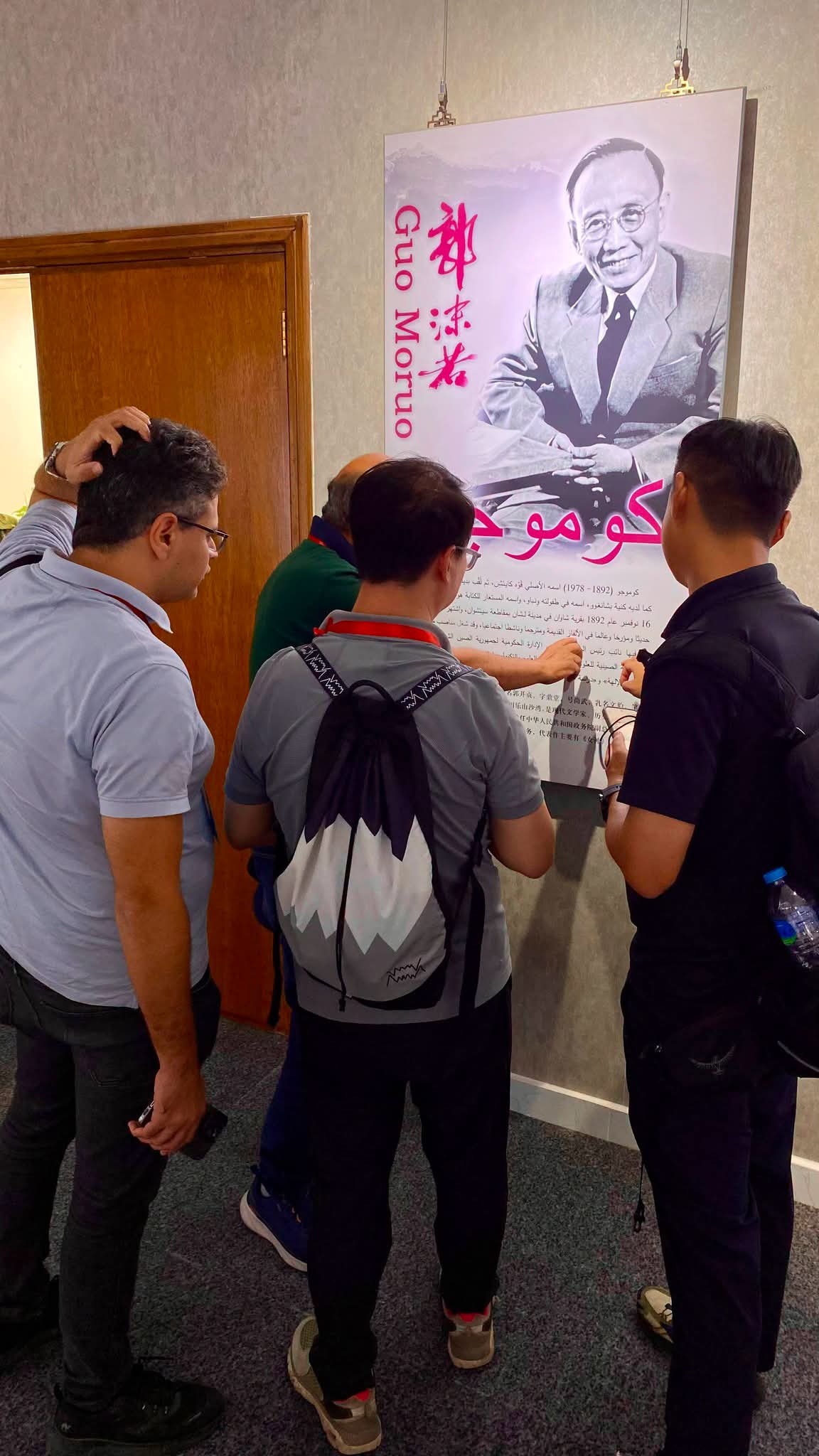
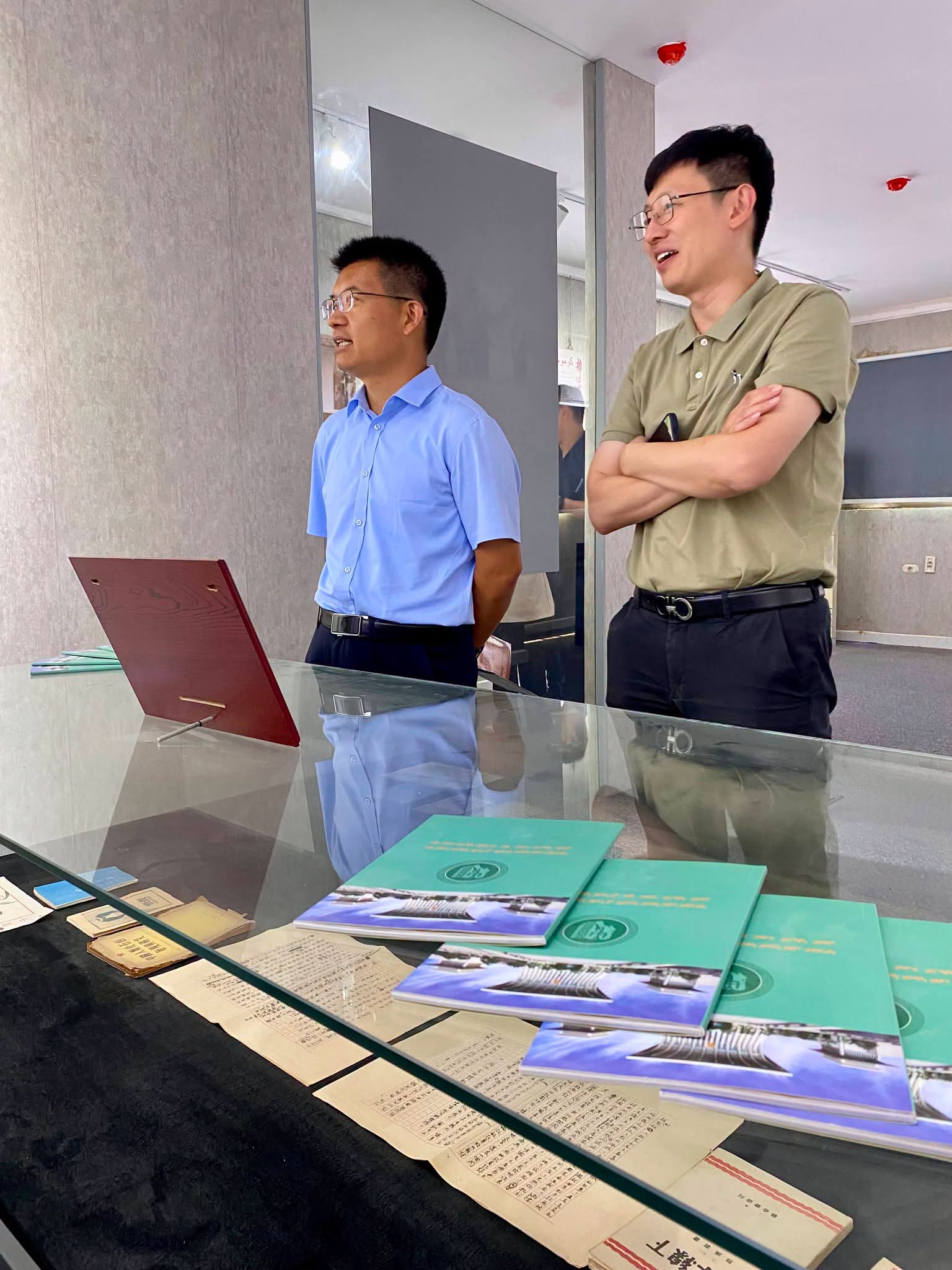
Following the official meeting, the media delegation toured the Confucius Institute, meeting with students, witnessing their passion for the Chinese language, and visiting the memorial halls dedicated to literary figures Guo Moruo and Lao She, as well as the “Beijing Through the Ages” exhibition.
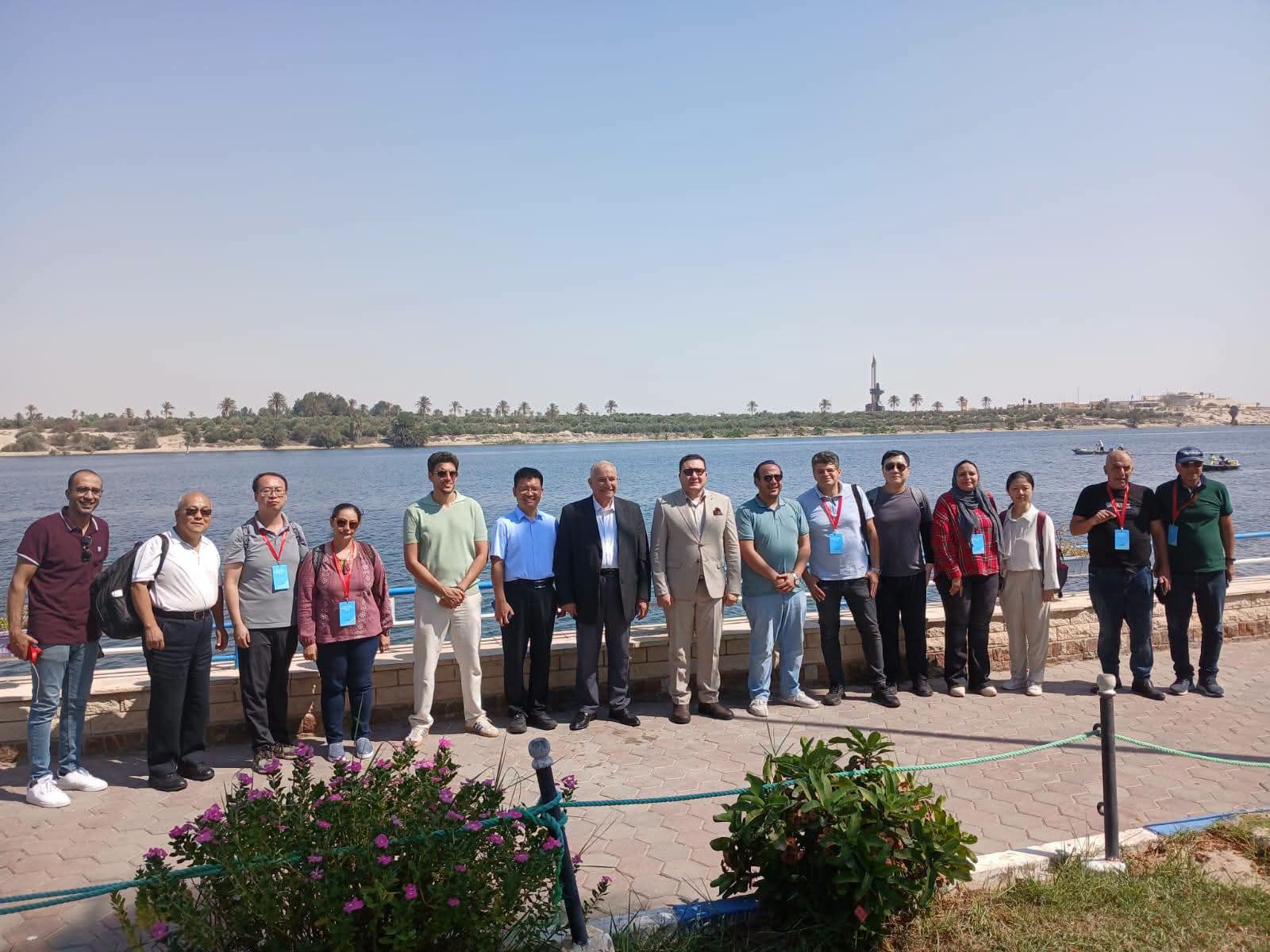
The delegation concluded its visit with a field tour along the Suez Canal waterway, expressing admiration for the strategic importance of this vital artery and its alignment with the goals of the Belt and Road Initiative.
Prominent Media Presence
The visit received high-level media coverage, featuring top leaders and correspondents from People’s Daily on the Chinese side (Bi Guangjiang, Huang Peizhao, Li Xiao, alongside correspondents Huan Xiang, Zhou Zhou, Zhou Yuying, Shen Xiaoxiao, Ren Haoyu, Dai Kairan, and Yang Yi).
The Egyptian side was represented by major press and media institutions, including Al-Ahram, Al-Akhbar, Al-Gomhuria, Al-Masaa, Middle East News Agency (MENA), Rose El-Youssef magazine, AldiploMasy website (Arabic and English), Sada El-Balad network, and Nile TV.


 The philosophy of the institution centers on creating a rich blend of education and practical training:
 Development Vision and Labor Market Requirements