Ashraf AboArafe
Ambassador Salih Mutlu Şen at the 103rd Anniversary of the Proclamation of the Republic of Türkiye in Cairo: Our Partnership with Egypt Is a Historical and Strategic Necessity; We Aspire to Nearly $9 Billion in Trade and Joint Defence Industries
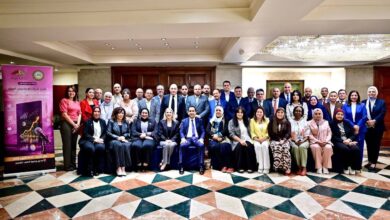
In an evening where the melodies of the Nile blended with the rhythms of Anatolia, and the memories of history met the horizons of the future, the Embassy of the Republic of Türkiye in Cairo celebrated the 103rd anniversary of the proclamation of the Republic of Türkiye on 29 October 1923. The celebration brought together approximately 1,500 guests and reflected the depth of Egyptian–Turkish ties and the growing momentum behind rapprochement and cooperation between the two countries.
The event was attended by Ambassador Ehab Soliman, Director of Protocol at Egypt’s Ministry of Foreign Affairs, and Ambassador Abdel Rahman Moussa, Adviser to the Grand Imam of Al-Azhar, alongside senior Egyptian officials and public figures, prominent representatives of the media, culture and arts, social media personalities, accredited ambassadors and diplomats in Cairo, and members of the Turkish community.
The evening featured the national anthems of Egypt and Türkiye, followed by musical performances from a group of distinguished Egyptian musicians, who presented traditional and classical compositions from both countries’ musical heritage. It was an artistic tribute to the language of culture, which transcends borders and builds additional bridges of understanding and closeness between peoples.
Ambassador Salih Mutlu Şen: 103 Years of the Turkish Republic and the Will for Peace
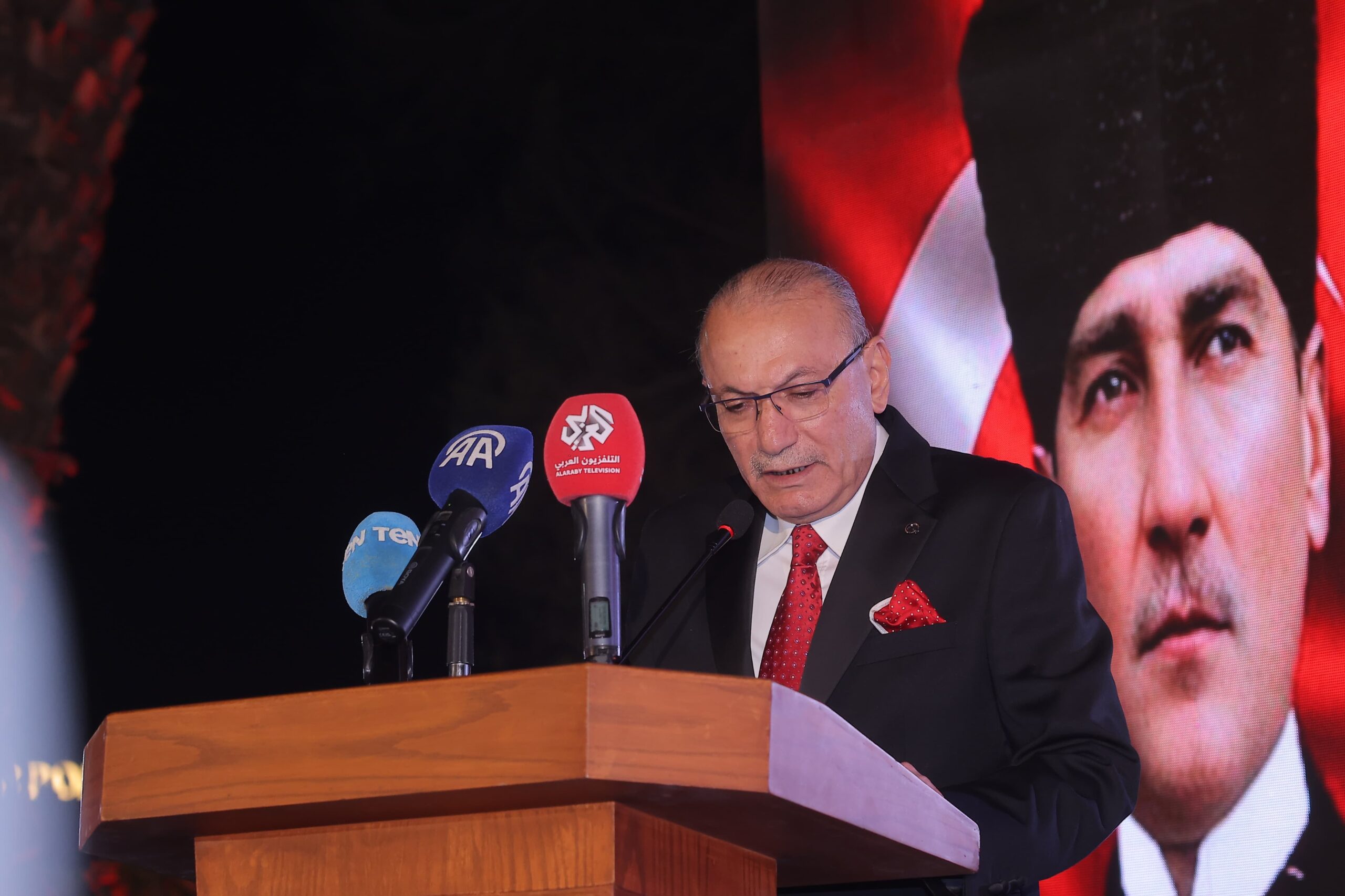
In his address, Ambassador Salih Mutlu Şen, Ambassador of the Republic of Türkiye to Egypt, expressed his pleasure at celebrating Republic Day alongside friendly and brotherly Egypt. He noted that the Republic of Türkiye was proclaimed 103 years ago, following the suffering, sacrifices and losses of the First World War, as the state embodying the Turkish nation and its national will.
He explained that, since the proclamation of the Republic, Türkiye had chosen to distance itself from wars and avoid military adventures, pursuing peace and good-neighbourly relations in good faith, including in its relations with Greece, the United Kingdom and France. It had rejected a return to imperial ambitions or the pursuit of territorial expansion and conflict.
The Republic, he emphasized, represented far more than a change in the form of government. It embodied a new approach based on cooperation, development, equality, mutual respect and understanding with neighbouring countries, the region and the wider world. This approach draws inspiration from the principle established by the founder of the Republic, Mustafa Kemal Atatürk: “Peace at Home, Peace in the World.”
The Ambassador stressed that peace should not be understood merely as the absence of war. Rather, it is an order in which nations coexist on the basis of mutual respect, sovereign equality and cooperation, working together to achieve development and prosperity.
From Gaza to the Eastern Mediterranean: Diplomacy Confronts Regional Crises
Ambassador Şen addressed regional and international developments, noting that the world faces serious challenges that cannot be ignored. He emphasized Türkiye’s opposition to the resumption of war against Iran, given its potential repercussions for the global economy, and stressed the need to resolve disputes through negotiations and diplomatic channels.
He also reaffirmed Türkiye’s rejection and condemnation of attacks targeting Gulf countries, including brotherly and allied Saudi Arabia, underscoring the importance of preserving regional security and stability.
Regarding Sudan, he explained that Türkiye supports resolving conflicts through dialogue and negotiations, while considering the state and its institutions essential to any settlement. He also reaffirmed support for the unity of the Somali state and its institutions in confronting the terrorist Al-Shabaab organization and attempts at division and secession.
On Libya, he highlighted Türkiye’s support for the country’s territorial integrity, the unification of its institutions and the achievement of stability. Regarding Syria, he emphasized the priority of reconstruction, rejecting any partition of the country or violation of its security and territorial integrity, while welcoming steps aimed at national reconciliation and integration.
Addressing Gaza, the Ambassador explained that Türkiye, in cooperation with Egypt, the United States and Qatar, had contributed to advancing the transition to the second phase of the peace plan and to efforts to persuade Hamas to accept the proposed roadmap.
He noted that political developments in Israel and the upcoming elections would reveal the direction of the government that assumes power, and whether it would choose to continue the war and aggression or pursue a path towards peace.
The Ambassador warned that the continuation of illegal settlement activities in the West Bank, the escalation of settler violence and practices aimed at forcibly displacing Palestinians undermine the prospects for implementing the two-state solution. He also drew attention to concerns surrounding attempts to seize control of Hebron.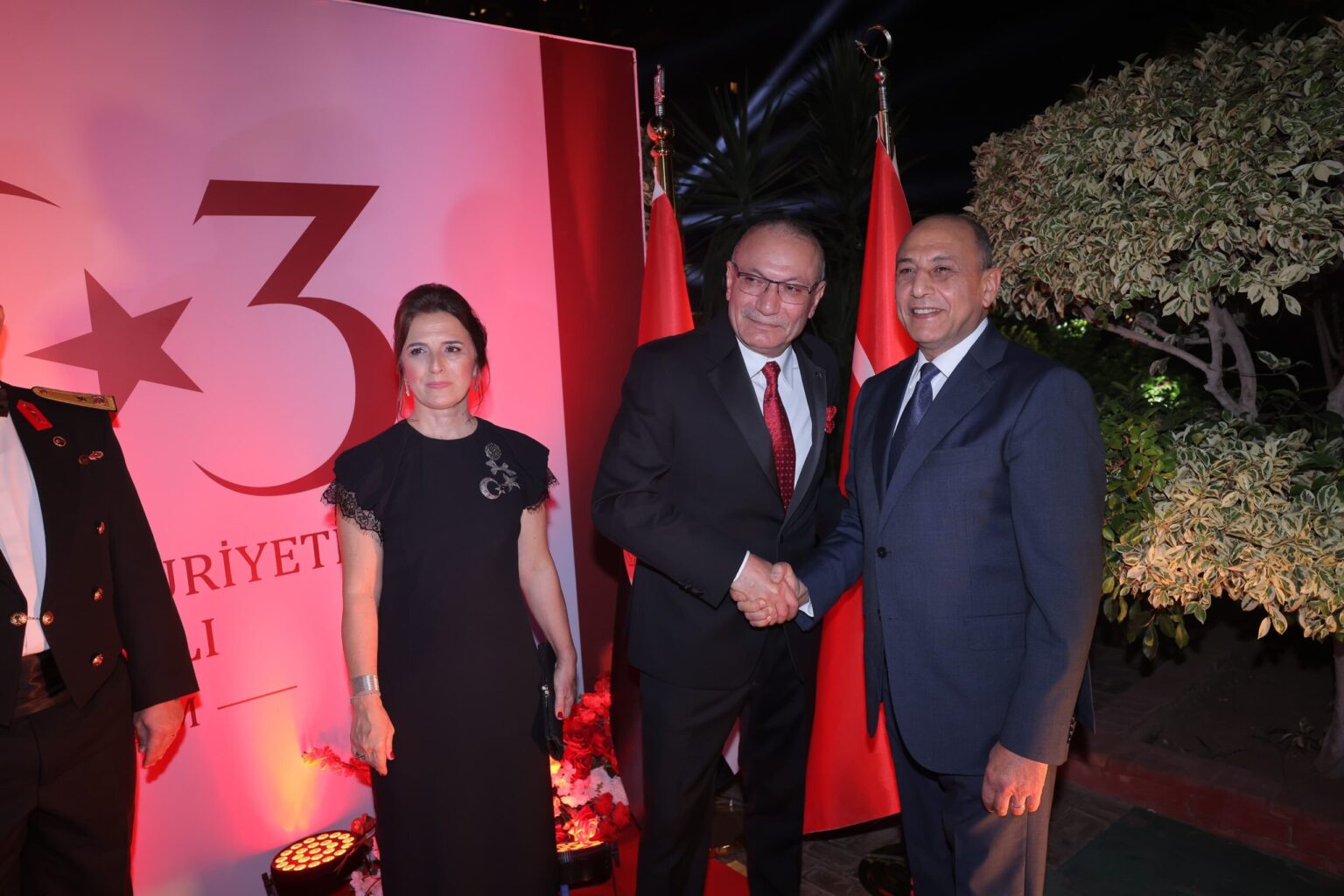
He stressed that a just and lasting solution to the Palestinian question, and genuine peace in the Middle East, can only be achieved by guaranteeing the Palestinian people’s right to self-determination. Both the Palestinian and Israeli peoples, he said, should live side by side in peace and security under the framework of two separate states. Israel’s security cannot be achieved through massacres or by expelling Palestinians from their homeland.
Regional Ownership: Countries Must Shape Solutions to Their Own Challenges
Ambassador Şen emphasized that Turkish foreign policy, under the leadership of President Recep Tayyip Erdoğan and Foreign Minister Hakan Fidan, is based on the concept of regional ownership: developing shared solutions to the region’s problems through the participation of its countries, on the foundations of equality, trust and solidarity.
He explained that this approach had been reflected in cooperation with Egypt on Gaza and in the establishment of the regional Quadrilateral Group comprising Türkiye, Egypt, Pakistan and Saudi Arabia, as a framework for coordination and consultation on common issues.
He also noted that the recent meeting in Istanbul between the regional Quadrilateral Group and the European group of four countries—Italy, Germany, France and the United Kingdom—demonstrated the potential for coordination between regional and international partners in support of peace and cooperation.
The Ambassador added that Türkiye, which hosted the NATO Summit this year, remains committed to its obligations within the Alliance. He clarified that regional ownership initiatives are not intended to replace Türkiye’s relations with the European Union, its achievements within the Customs Union, or its membership and relations with regional institutions such as the Council of Europe and the Organization for Security and Co-operation in Europe.
In the same context, he described the League of Arab States as an important partner for Türkiye, extending congratulations to its new Secretary-General, Nabil Fahmy. He also congratulated the new Secretary-General of the Organization of Islamic Cooperation, Ismail Ould Cheikh, emphasizing the importance of cooperation with both institutions in serving the causes of the Arab and Islamic worlds.
The Makkah Alliance: Egypt Is a Natural Partner, but Participation Is a Sovereign Decision
In a notable message concerning Arab and Islamic cooperation, Ambassador Salih Mutlu Şen stated that Egypt is a natural partner of the Makkah Alliance, and that its formal accession remains a sovereign Egyptian decision, which Türkiye would welcome.
He explained that Egypt’s participation in the alliance could contribute to regional balance and strengthen security and stability. He added that the pursuit of dominance and expansion through excessive reliance on power represents one of the greatest threats to regional security.
Balance and deterrence, he argued, can help contain expansionist tendencies and encourage parties to exercise restraint, pursue constructive conduct and embrace integration.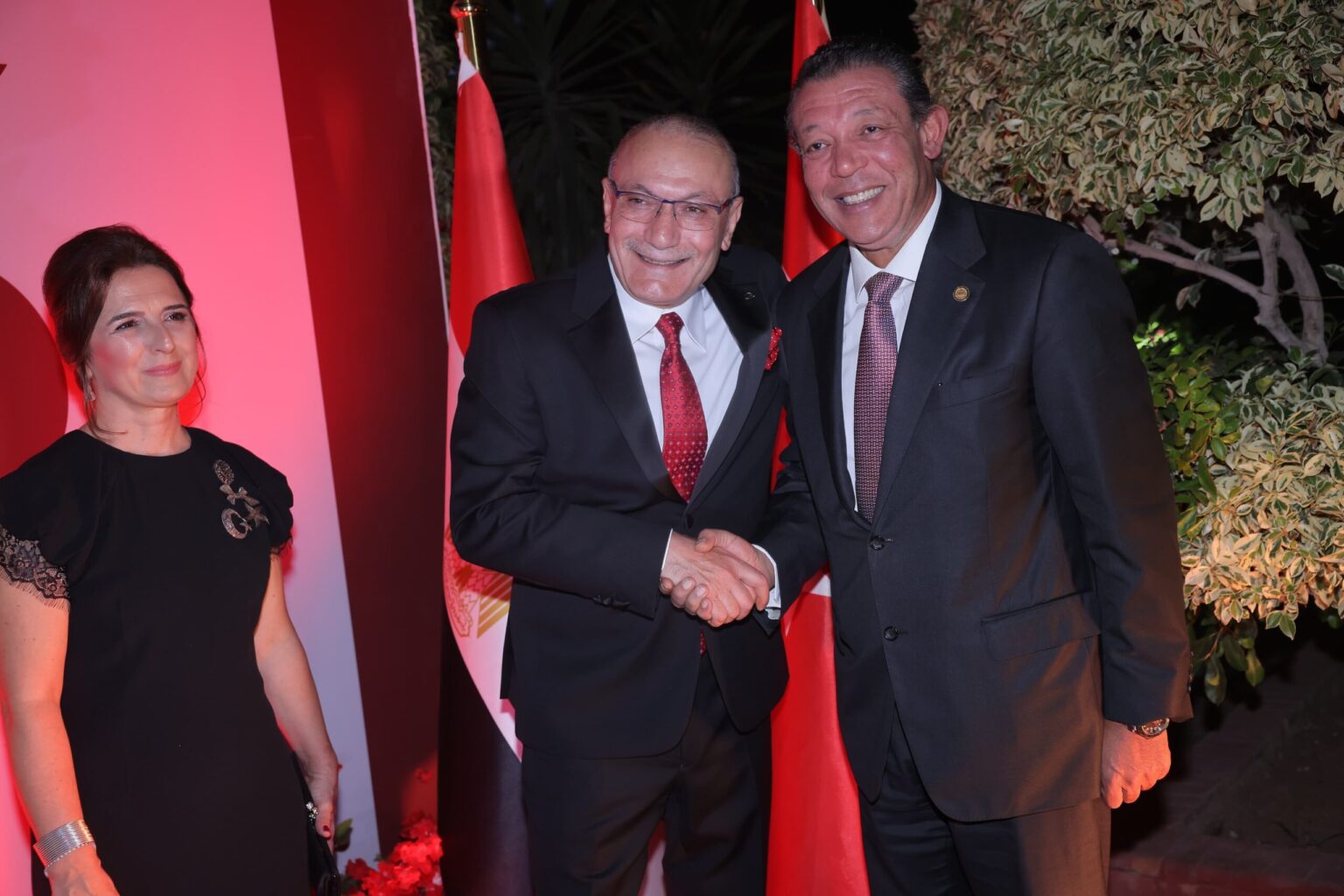
This vision, as reflected in his remarks, highlights the importance of coordination among regional powers and expanding areas of cooperation that protect national interests, support collective security and give countries in the region greater capacity to address common challenges.
1,200 Years of History: The Nile and Anatolia Open a Window to the Future
Speaking about Egyptian–Turkish relations, Ambassador Salih Mutlu Şen delivered a clear message, emphasizing that the strategic partnership between Türkiye and Egypt is neither a passing decision nor an option dictated by temporary political circumstances. It is a necessity arising from the requirements of peace, security, stability and development in their shared region, particularly the Eastern Mediterranean.
He noted that the relationship draws its roots from a shared history extending approximately 1,200 years, as well as deep cultural, human and social connections. What unites the two countries, he stressed, goes beyond day-to-day political calculations and rests on enduring strategic interests.
The Ambassador revealed that at least 50 new Turkish production facilities had opened in Egypt since 2022, explaining that Turkish companies provide employment opportunities for no fewer than 100,000 Egyptians.
He expected bilateral trade to reach a record level this year, approaching $9 billion, reflecting the expansion of economic relations and the growing scope for investment and joint production.
On the military front, the Ambassador confirmed that relations between the two countries were making progress and that projects in the defence-industries sector were under consideration. He expressed confidence that the coming decade could witness joint Egyptian–Turkish production of missiles, ships, aircraft and unmanned aerial vehicles.
This vision opens the door to a new phase of industrial, technological and defence cooperation, provided that it is translated into programmes, agreements and joint projects between the two sides.
National Interests: Differences in Perspective Do Not Erase a Shared Regional Destiny
Addressing the nature of relations between the two countries, Ambassador Şen stressed that the depth of the Egyptian–Turkish partnership does not necessarily mean that the two sides must hold identical positions on every issue. Each country has its own national interests and independent perspective.
However, he emphasized that, while Türkiye defends its interests, it also takes Egypt’s interests into consideration. The strategic and national interests of the two countries naturally converge, and recognizing this convergence is fundamental to sustaining their partnership.
He added that a far-sighted approach, not governed by momentary positions or daily calculations, represents an investment in the future of relations between the two states and a responsibility imposed by the lessons of history and the demands of the present era.
In this regard, he highlighted the importance of the political will demonstrated by Turkish President Recep Tayyip Erdoğan and Egyptian President Abdel Fattah El-Sisi in strengthening bilateral relations and coordinating on regional issues.
He referred to President Erdoğan’s visit to Cairo in February, expressing Türkiye’s anticipation of a visit by President Abdel Fattah El-Sisi to Türkiye in the coming period, in response to the standing invitation extended by President Erdoğan.
From History to Industry: A Partnership Shaping the Future of Generations
The messages conveyed by Ambassador Salih Mutlu Şen at the celebration of the 103rd anniversary of the proclamation of the Republic of Türkiye in Cairo went beyond the commemoration of a national anniversary. They offered a broader picture of a regional relationship whose future is being shaped through economics, diplomacy, security and culture.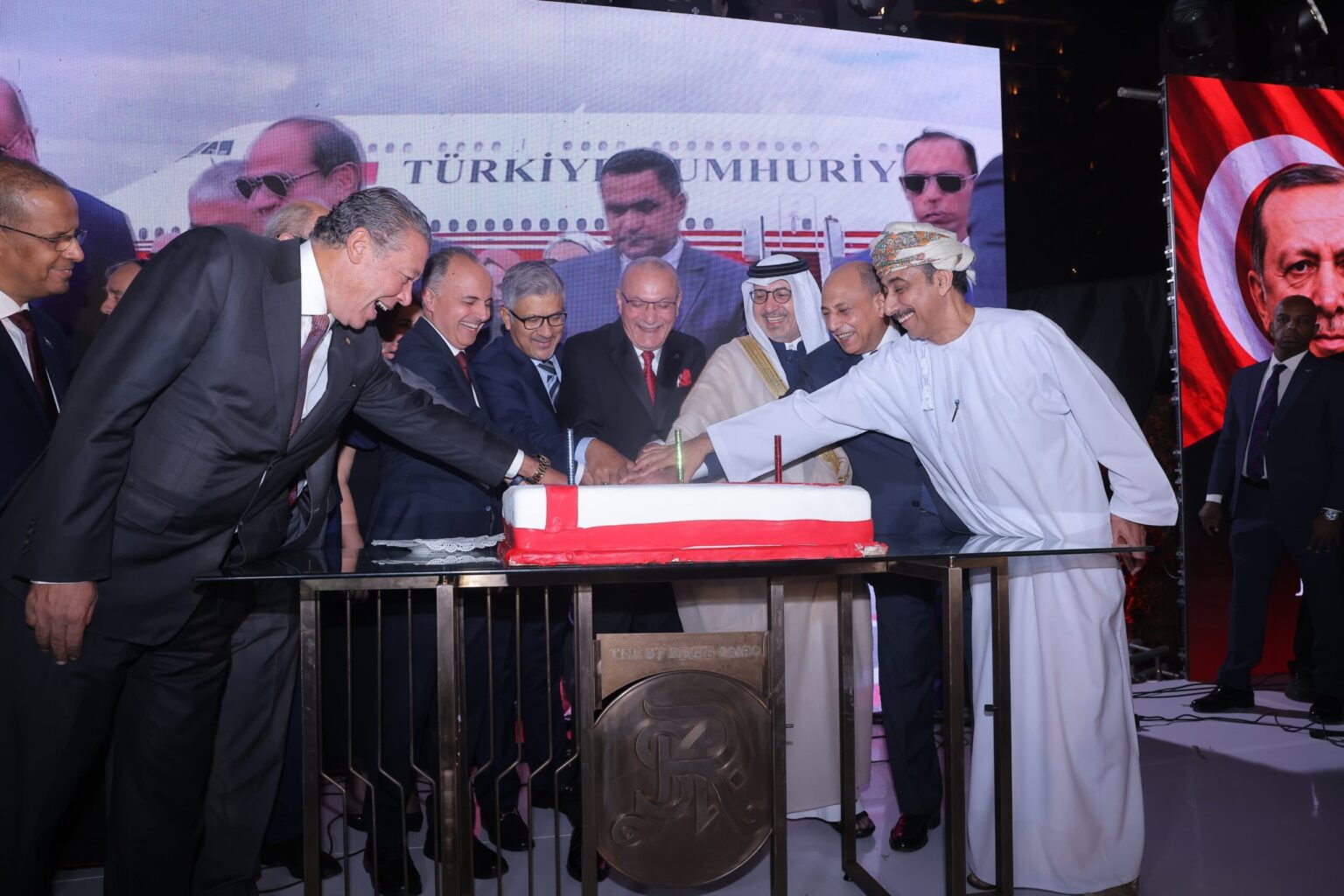
From a shared history extending approximately 1,200 years, to 50 new Turkish production facilities in Egypt and more than 100,000 employment opportunities provided by Turkish companies to Egyptians, from bilateral trade approaching $9 billion to the prospects of joint defence industries, the indicators of cooperation are multiplying and its horizons are expanding.
The Nile and Anatolia are not merely two geographical spaces connected by the memory of history; they are two horizons that meet through the interests of their peoples and their aspirations for peace, development and prosperity.
At the conclusion of his address, Ambassador Salih Mutlu Şen offered the following prayer:
“O Allah, grant honour to Islam and the Muslims.”
His closing words carried a spiritual and human dimension, bringing together the celebration of the Turkish Republic with the values of brotherhood and solidarity. They also underscored the historic opportunity before Egypt and Türkiye to transform the legacy of the past into shared achievements that can build a more secure and prosperous future for the peoples of the region.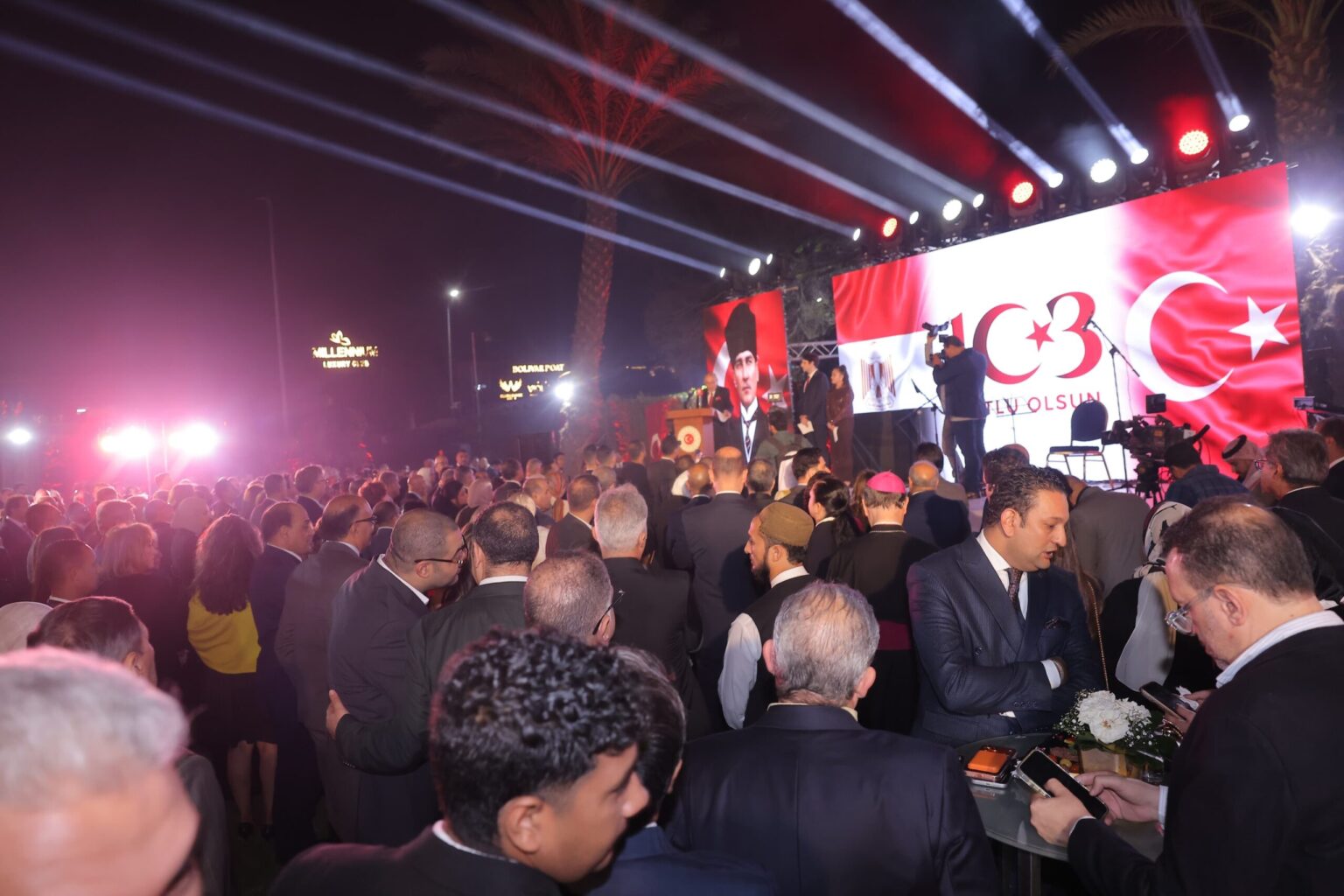
When the will of the Nile meets the ambition of Anatolia, history becomes a bridge, the economy becomes a language, and peace becomes the horizon towards which future generations aspire.