 Editor -in- chief writes
FROM Cairo, on Kashmir Black Day, a strategic question confronts political and military analysts: Could the Mecca Alliance play a role in liberating Kashmir, or will its mission remain confined to deterrence, collective defence, and diplomatic mediation?
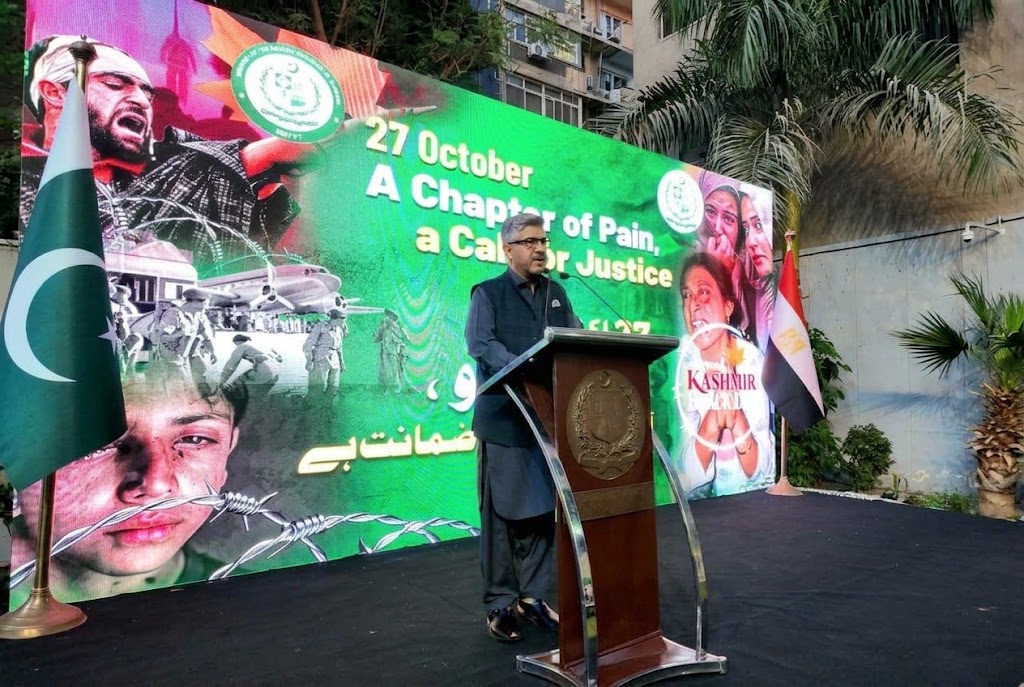
Every October 27, Kashmir returns to the international spotlight as Pakistan commemorates what it calls Kashmir Black Day, marking the arrival of Indian troops in Srinagar on October 27, 1947. On this occasion, the Embassy of the Islamic Republic of Pakistan in Cairo commemorated the anniversary, reaffirming Islamabad’s support for the Kashmiri people and calling for a just and peaceful settlement in accordance with relevant United Nations resolutions.
Yet this year’s commemoration raises a question that extends beyond historical remembrance and diplomatic statements, particularly amid changing regional defence partnerships: Could the Mecca Alliance, bringing Saudi Arabia, Türkiye, and Pakistan together in a defence partnership, become an influential force in the Kashmir question and help change the political reality on the ground?
The Pakistani Embassy’s Statement: Self-Determination at the Heart of the Message
In a press statement issued on October 27, 2026, the Pakistani Embassy in Cairo said that Kashmir Black Day commemorates nearly eight decades of suffering since Indian troops entered Srinagar in 1947.
According to the statement, participants from different backgrounds, including journalists, academics, and students, rejected what they described as India’s unilateral and unlawful measures of August 5, 2019. They also highlighted what they characterised as serious human rights violations, demographic changes, and the suppression of fundamental freedoms in the region.
The statement said that the people of Jammu and Kashmir remain deprived of their right to self-determination, according to Pakistan’s position, and called on the international community and human rights organisations to intensify efforts towards a just and peaceful settlement based on relevant United Nations Security Council resolutions.
Participants also reaffirmed Pakistan’s moral, political, and diplomatic support for the Kashmiri people and pledged to continue advocating their cause in international forums.
Addressing the commemoration, Pakistan’s ambassador praised the sacrifices made by Kashmiris in pursuit of justice, peace, and dignity. He emphasised the resilience of generations of Kashmiris despite continuing hardship and the detention of political activists, as reported in the embassy’s statement.
The message centres on three priorities: self-determination, sustained political and diplomatic support, and stronger international engagement.
It is important to distinguish Pakistan’s stated position from India’s. India maintains that Jammu and Kashmir is an integral part of its territory and rejects Pakistan’s characterisation of the dispute. Any sustainable approach must therefore take account of the historical background, the conflicting positions, and the relevant international framework.
The Mecca Alliance: What Could Change?
The defence partnership between Saudi Arabia, Türkiye, and Pakistan opens a new avenue for examining regional security and the potential influence of military and political cooperation on longstanding disputes.
An objective analysis, however, requires distinguishing among three possible dimensions of influence.
First: Military deterrence.
Defence cooperation, the exchange of expertise, joint training, and the development of military capabilities could create opportunities to strengthen the participating countries’ defence readiness. Assessing the actual impact on India-Pakistan strategic calculations, however, requires a clear understanding of the scope of cooperation, the commitments undertaken, and the limits of any joint response to a crisis.
Second: Political and diplomatic support.
The participating countries could coordinate their positions in international forums, support calls for the protection of fundamental rights, encourage dialogue between New Delhi and Islamabad, and seek to restore the dispute to a meaningful negotiating process.
This could become one avenue through which the alliance contributes to the Kashmir question, without assuming that political support would automatically lead to military intervention.
Third: Military intervention.
This is the most sensitive aspect of the question. The existence of a collective defence agreement does not, by itself, establish that its members have undertaken to liberate Kashmir by force or that every confrontation between India and Pakistan would automatically trigger Saudi or Turkish military intervention.
The agreement’s official text, the scope of its defence commitments, the circumstances that could activate them, and the relevant legal obligations must be examined before drawing conclusions about military intervention.
Consequently, the claim that the Mecca Alliance will militarily liberate Kashmir remains a hypothetical scenario requiring evidence and clearly established commitments. It cannot be presented as an existing military decision.
Could Kashmir Become a Real Test of the Mecca Alliance?
The question that political and military analysts should examine is straightforward: If tensions between India and Pakistan escalate, will the alliance’s members limit their response to political and diplomatic support, or could they consider a broader response under their defence commitments?
The publicly available information does not provide a definitive answer. Any potential response would depend on the nature of the events, the agreement’s provisions, applicable legal obligations, and the political decisions of the governments concerned.
The stakes are particularly high because India and Pakistan are both nuclear-armed states. A large-scale military confrontation could threaten not only South Asian stability but also international security and the global economy.
The success of a defence alliance should therefore not be measured solely by its ability to respond to attacks, but also by its capacity to prevent war, contain crises, facilitate mediation, and reduce the risks of miscalculation and escalation.
From Solidarity to a Political Settlement
The Pakistani Embassy’s statement places self-determination at the heart of Islamabad’s demands concerning Kashmir and emphasises the need for stronger international engagement. Turning these demands into a practical settlement, however, requires a political process that addresses the historical dispute and the positions of the parties involved.
If its members share the necessary political will, the Mecca Alliance could support dialogue and mediation, encourage the protection of civilians and fundamental rights, and contribute to efforts to reduce tensions between India and Pakistan.
Moving from political support to military intervention is an entirely different matter. It cannot be assumed or treated as an existing commitment without clear supporting provisions.
The strength of an alliance lies not merely in demonstrating solidarity, but in translating that solidarity into a political process that reduces the risk of war and expands the prospects for a settlement.
Cairo and Kashmir: A Message Beyond Commemoration
The Pakistani Embassy’s event in Cairo has provided another platform for discussing Kashmir within Arab political, diplomatic, and media circles. It has also renewed questions about the role of emerging alliances in addressing longstanding disputes.
However, Cairo’s hosting of a diplomatic event does not automatically mean that the Egyptian state endorses every position expressed in the organiser’s statement. The importance of the occasion lies in encouraging informed discussion, peaceful settlements, respect for international law, and the protection of human rights.
The broader question for the Arab world extends beyond Kashmir itself: Can emerging defence arrangements become instruments for safeguarding stability and preventing war, or will their influence remain shaped primarily by strategic competition and national interests?
Conclusion: Could the Mecca Alliance Open a Path to Kashmir’s Liberation?
The Pakistani Embassy’s commemoration of Kashmir Black Day in Cairo, together with its reaffirmation of political and diplomatic support for the Kashmiri people, has brought the issue back into focus at a time of evolving regional defence partnerships.
Yet the question raised by political and military analysts about the Mecca Alliance’s role in liberating Kashmir remains open.
The alliance could provide a framework for stronger deterrence and defence coordination and potentially create opportunities for diplomacy and mediation. Nevertheless, these possibilities do not establish that a military operation to liberate Kashmir has been agreed upon, nor do they guarantee intervention in any future confrontation.
The strategic question remains: Can the Mecca Alliance translate its collective strength into effective diplomatic leverage and a political process that brings a settlement in Kashmir closer, or will its role remain limited to defending its members within the boundaries of their declared commitments?
The real test lies in the ability of its members to reconcile security with international law, political solidarity with the prevention of war, and the protection of fundamental rights with the pursuit of a lasting settlement.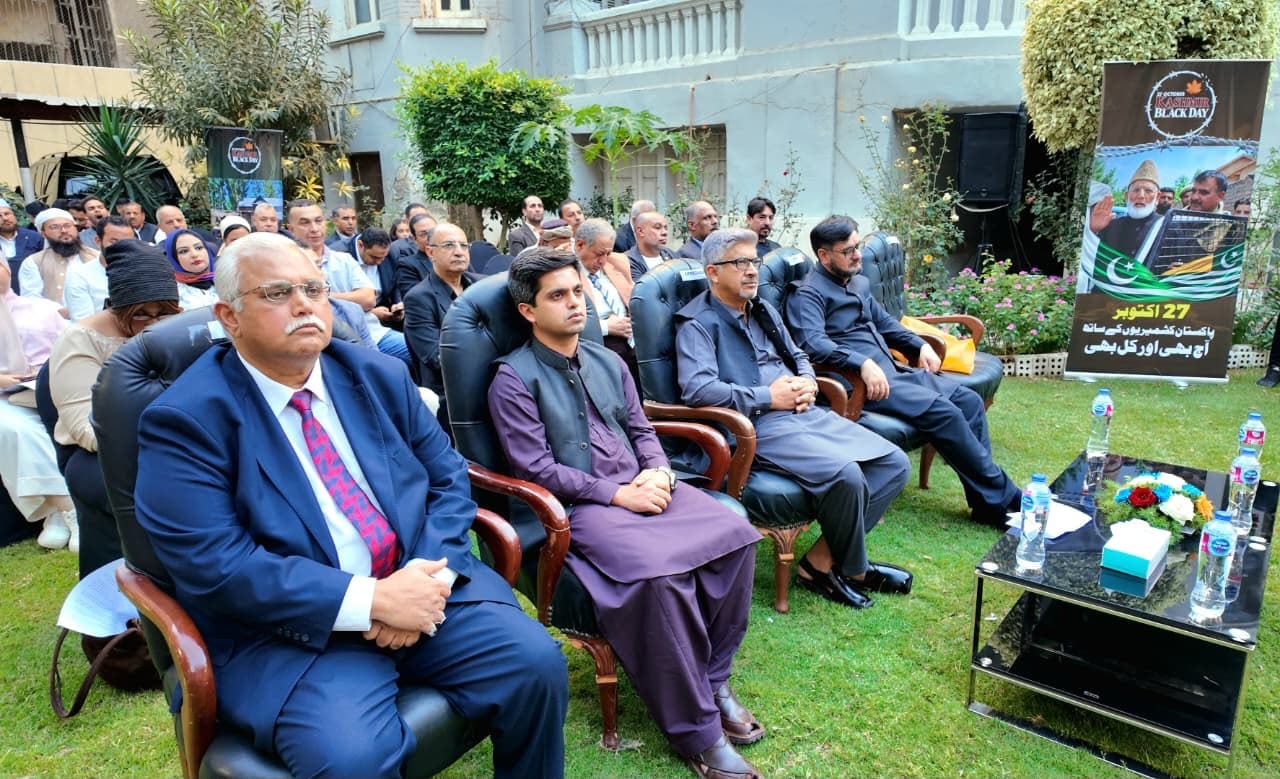
Kashmir needs a just and sustainable solution far more than another war—one that safeguards human dignity, prevents escalation, and opens a path towards peace for the peoples of the region.