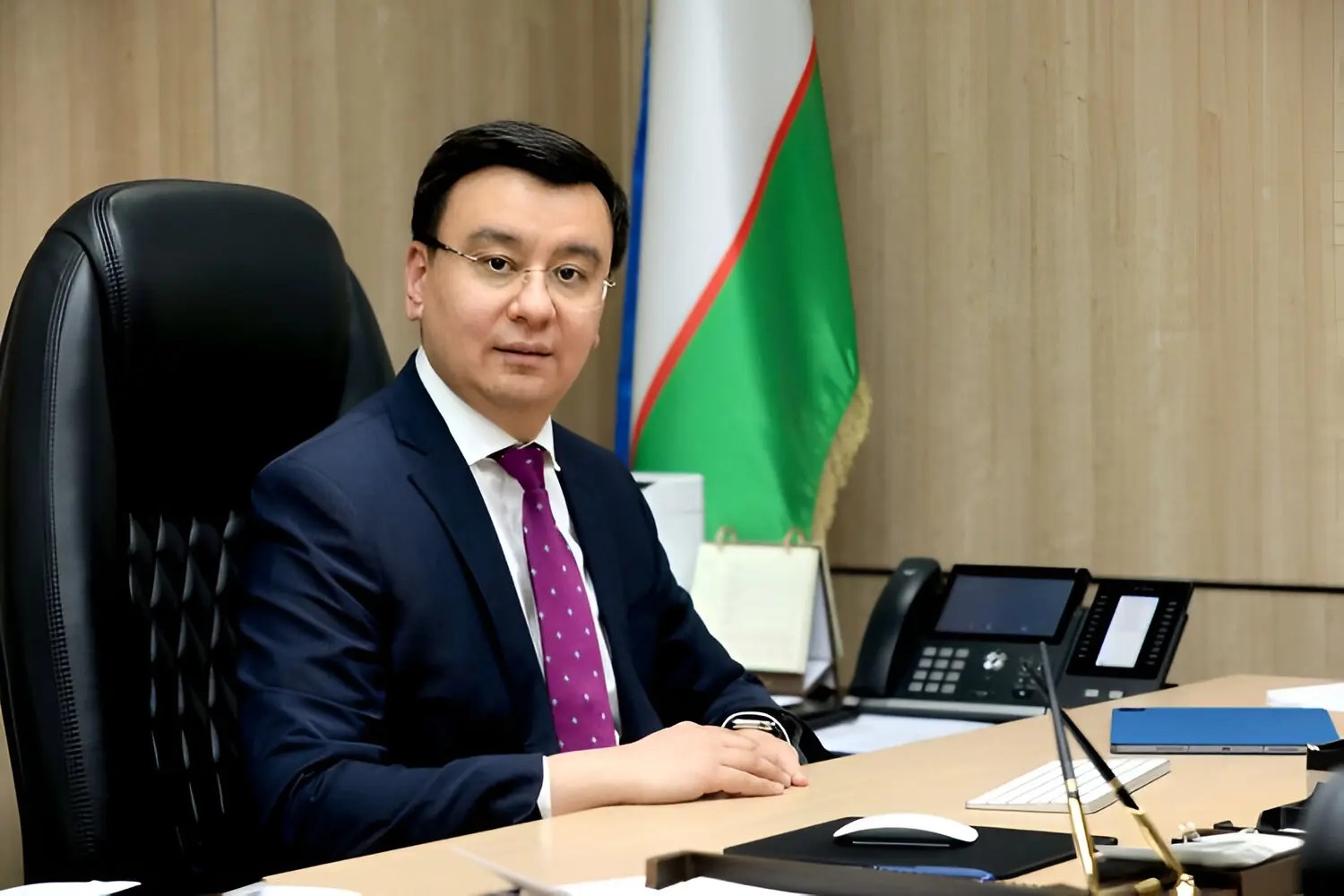
Umid Shadiev writes✍️
Chairman of the Tourism Committee of UZBEKISTAN
The partnership between Uzbekistan and UNESCO represents a profound fusion of heritage preservation and visionary development. It transcends the conventional tourism narrative, positioning Uzbekistan not merely as a destination, but as a living museum of civilizations — a bridge between the memory of the Silk Road and the modern ambitions of sustainable tourism.
From the majestic Registan of Samarkand to the fortified walls of Itchan Kala, each site stands as a chronicle of human creativity and intercultural dialogue. By integrating these treasures into the UNESCO World Heritage framework, Uzbekistan effectively globalizes its historical identity — turning its past into an engine for contemporary diplomacy, education, and soft power.
The economic and cultural ripple effects are equally significant. World Heritage status attracts international tourists, investors, and scholars, stimulating sectors like hospitality, transport, and cultural industries. Yet beyond economic benefits, it strengthens Uzbekistan’s narrative as a custodian of global memory and a leader in sustainable development, especially as the nation prepares to host the 43rd UNESCO General Conference in Samarkand in 2025.
This event carries deep symbolism: for the first time in four decades, UNESCO’s grand assembly will convene outside Paris — and in Samarkand, the historical junction of East and West. It’s more than an honor; it’s a declaration that Uzbekistan’s cultural diplomacy has reached maturity, transforming its heritage into a force for international dialogue and creative progress.
In essence, the cooperation between Uzbekistan and UNESCO does not merely open new horizons for tourism — it restores the ancient Silk Road as a road of ideas, where tradition and innovation meet under the same azure dome of history.