Ashraf AboArafe Writes
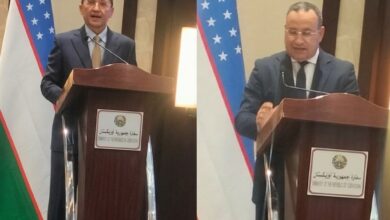
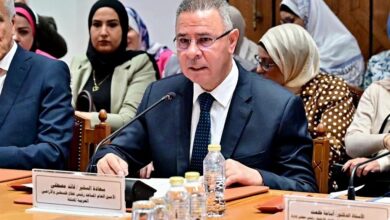
In a moment that felt like a calm breath cutting through a turbulent region, Iran’s Ambassador to Cairo, Mojtaba Ferdosipour, offered a statement whose subtlety belied its significance. He clarified that Iran’s Ministry of Foreign Affairs is the sole voice that articulates the country’s foreign policy, and not the Supreme National Security Council.
A short sentence—yet wide in implication—rearranging how observers understand the balance of power within the Islamic Republic and offering Cairo a clearer window into how decisions are shaped in Tehran.
The ambassador’s message suggests that Iran wishes its communications to be interpreted with precision.
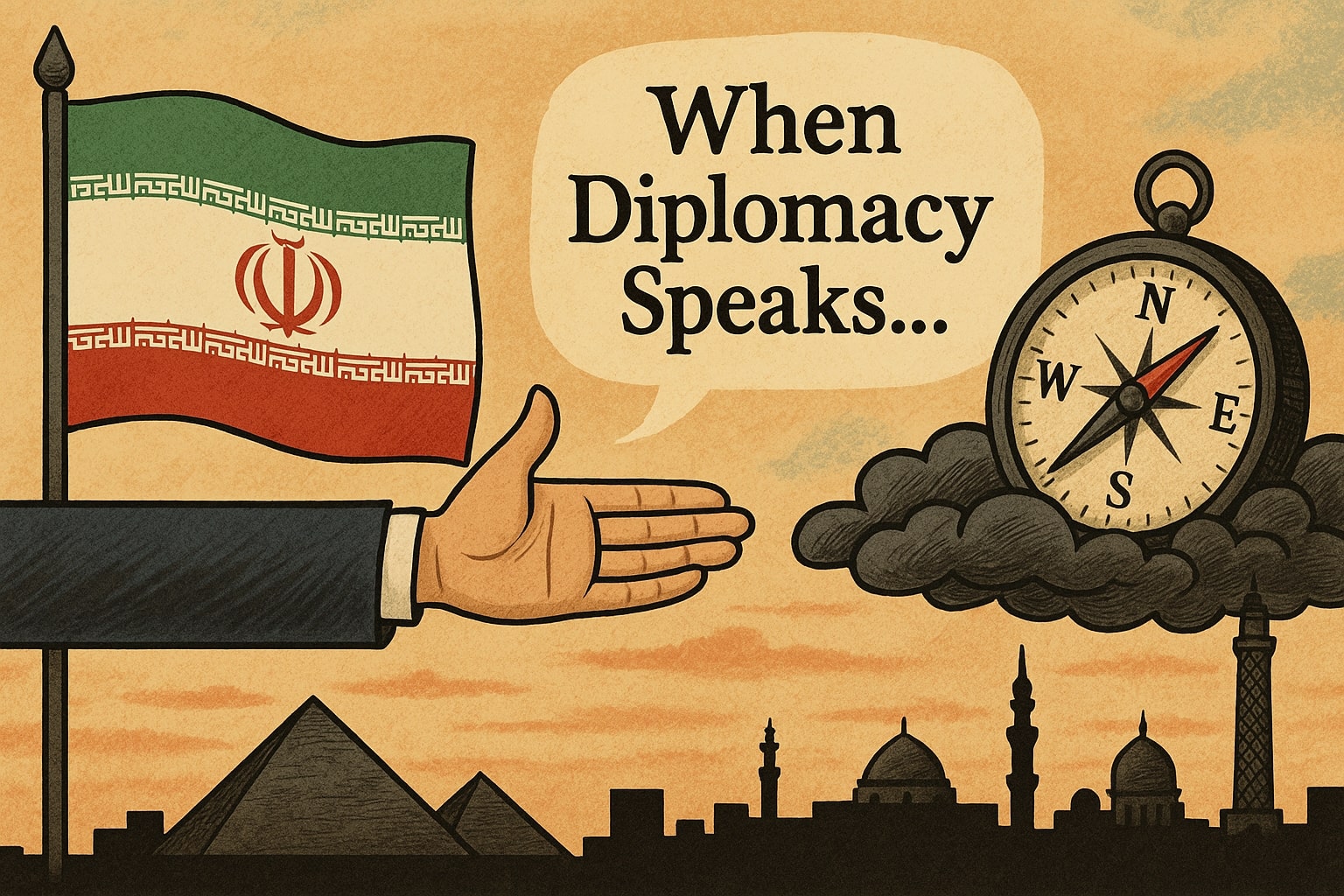
When the Foreign Ministry steps forward, it projects a softer, diplomatic face for a nation often viewed through the prism of competing institutions. It is as if Ferdosipour is saying:
Do not search for policy in the shadows of security halls; find it instead in the language of diplomacy, in official notes and conversations between states.
From Cairo, this clarification resonates as part of a new architecture of openness—a sign that Iran, navigating regional de-escalation, intends to present its international posture through diplomacy rather than security doctrine. It underscores that foreign policy is a national decision, not an institutional improvisation, subtly redefining the interplay between the country’s hard and soft power.
Every word carries a political echo.
This statement answers long-standing questions posed by analysts:
Where does Iranian foreign policy truly originate?
How are responsibilities divided among Tehran’s institutions?
The ambassador’s voice responds with a firmness that feels almost like the Nile’s serenity at dusk:
Policy is crafted in the Foreign Ministry; the National Security Council coordinates—it does not proclaim.
On a symbolic level, delivering this clarification from Cairo is itself a message.
Egypt remains a gateway through which the East expresses itself, and Tehran choosing Cairo as the platform to recalibrate perceptions marks a subtle return to confidence in bilateral communication—even if cautious.
Ultimately, the ambassador’s words are more than a clarification; they are a condensed poem about power, governance, and the evolving balance within Iran. They hint at a nation eager to be understood through its diplomacy before its weaponry, through its articulated will rather than its institutional shadows.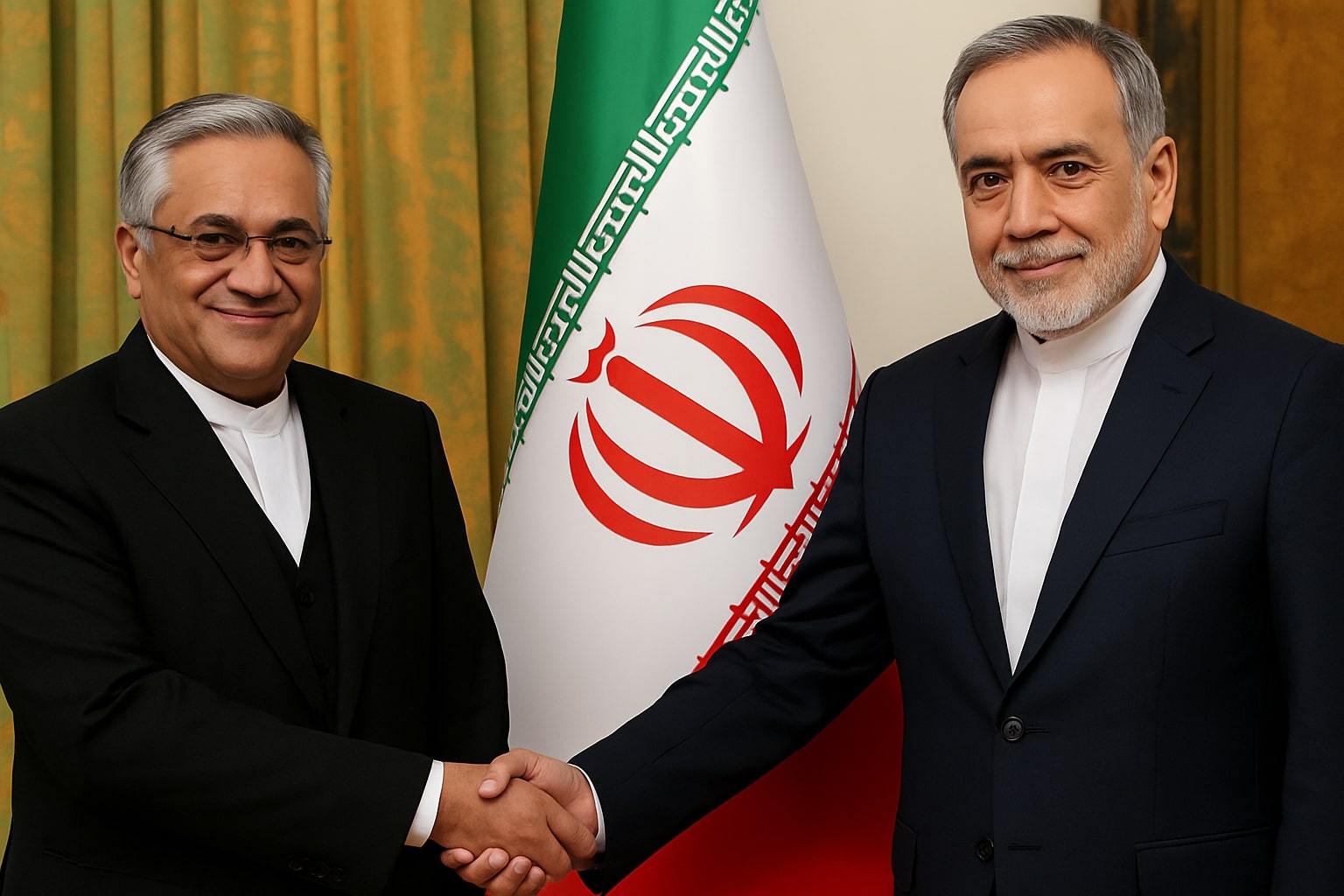
As if Iran were whispering to the world through its envoy in Cairo:
“When we speak, seek meaning in the language—not in the gunfire.
It is diplomacy that shapes today,
and diplomacy that opens the door to tomorrow.”