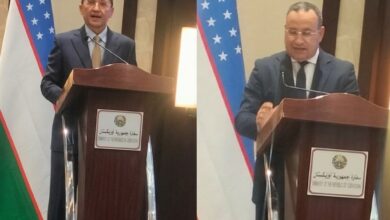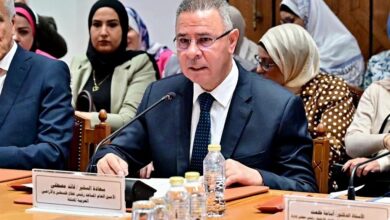
Ashraf AboArafe
IN the heart of Cairo, where the contours of regional balance are being shaped, Egyptian diplomacy advances with steady and composed influence.
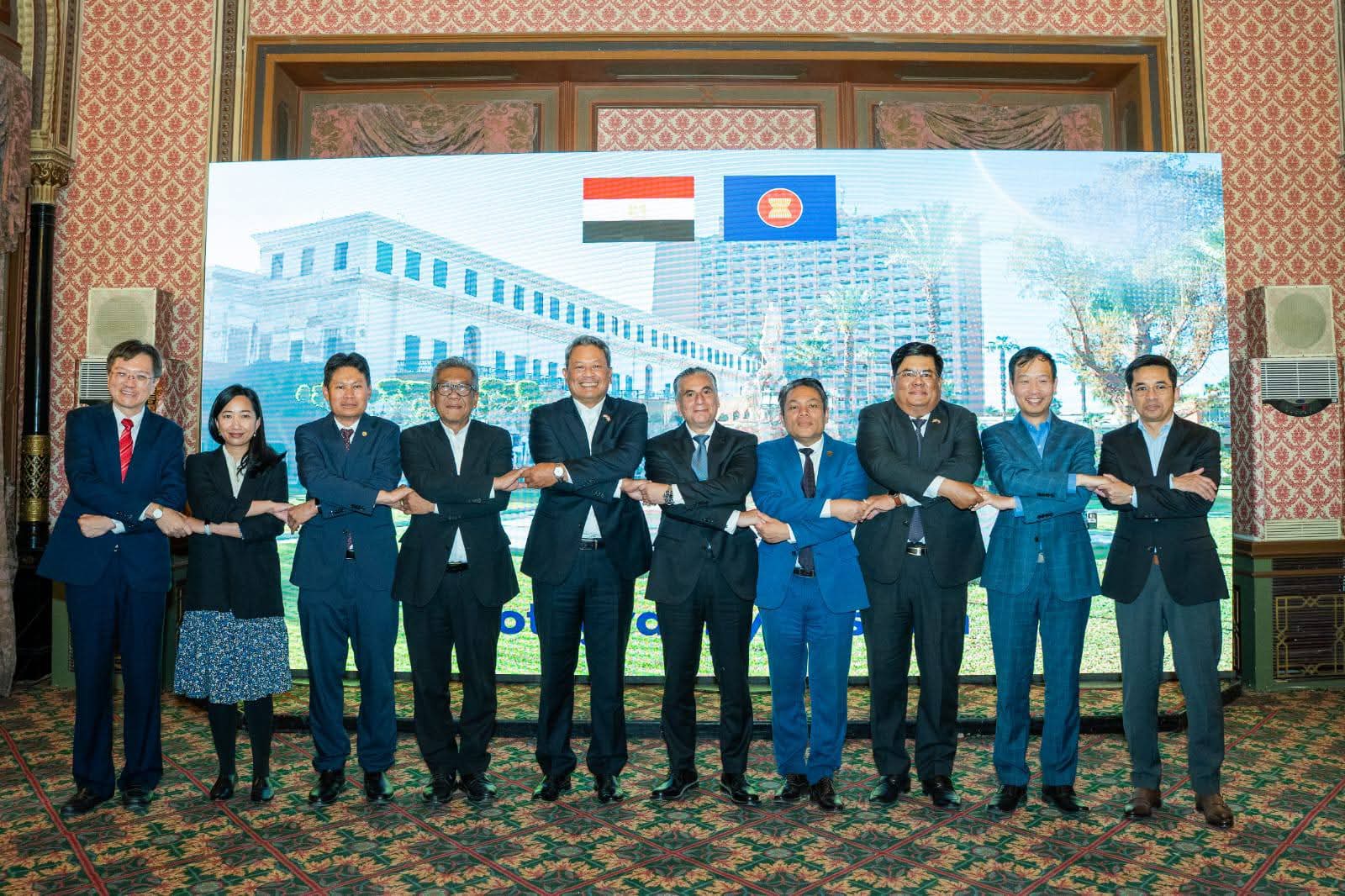
The session hosted by the Malaysian Embassy reflected a strategic shift toward deeper engagement with Asia and multilateral cooperation.
With the presence of Ambassador Amr Hamza, Egypt’s vision of dialogue and de-escalation over confrontation came clearly into focus.
It is a moment that reveals a diplomacy committed to building bridges, extending from the Nile to the horizons of Asia.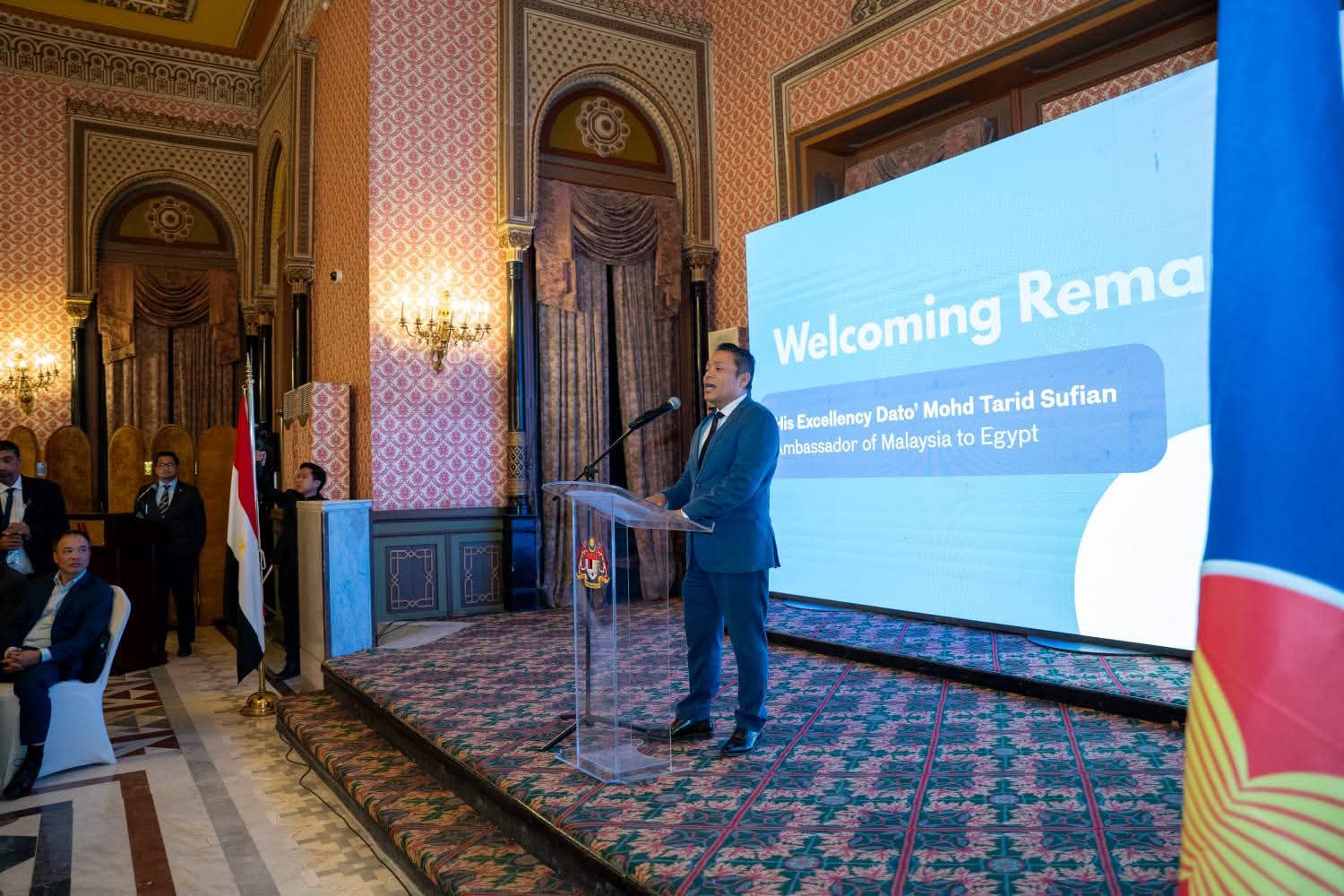
A Diplomatic Moment Reflecting Strategic Balance
At a time when regional tensions demand measured voices, the Malaysian Embassy’s session in Cairo emerged as more than a formal gathering—it became a stage for Egypt’s calibrated diplomacy.
The presence of Ambassador Amr Hamza reflected a policy rooted in de-escalation, dialogue, and strategic composure, rather than reactive positioning.
Egypt Between De-escalation and Strategic Outreach
1. Egypt as a Rational Mediator in a Volatile Region
Ambassador Amr Hamza’s remarks underscored a critical shift:
Egyptian diplomacy is no longer merely responsive—it is increasingly proactive and stabilizing.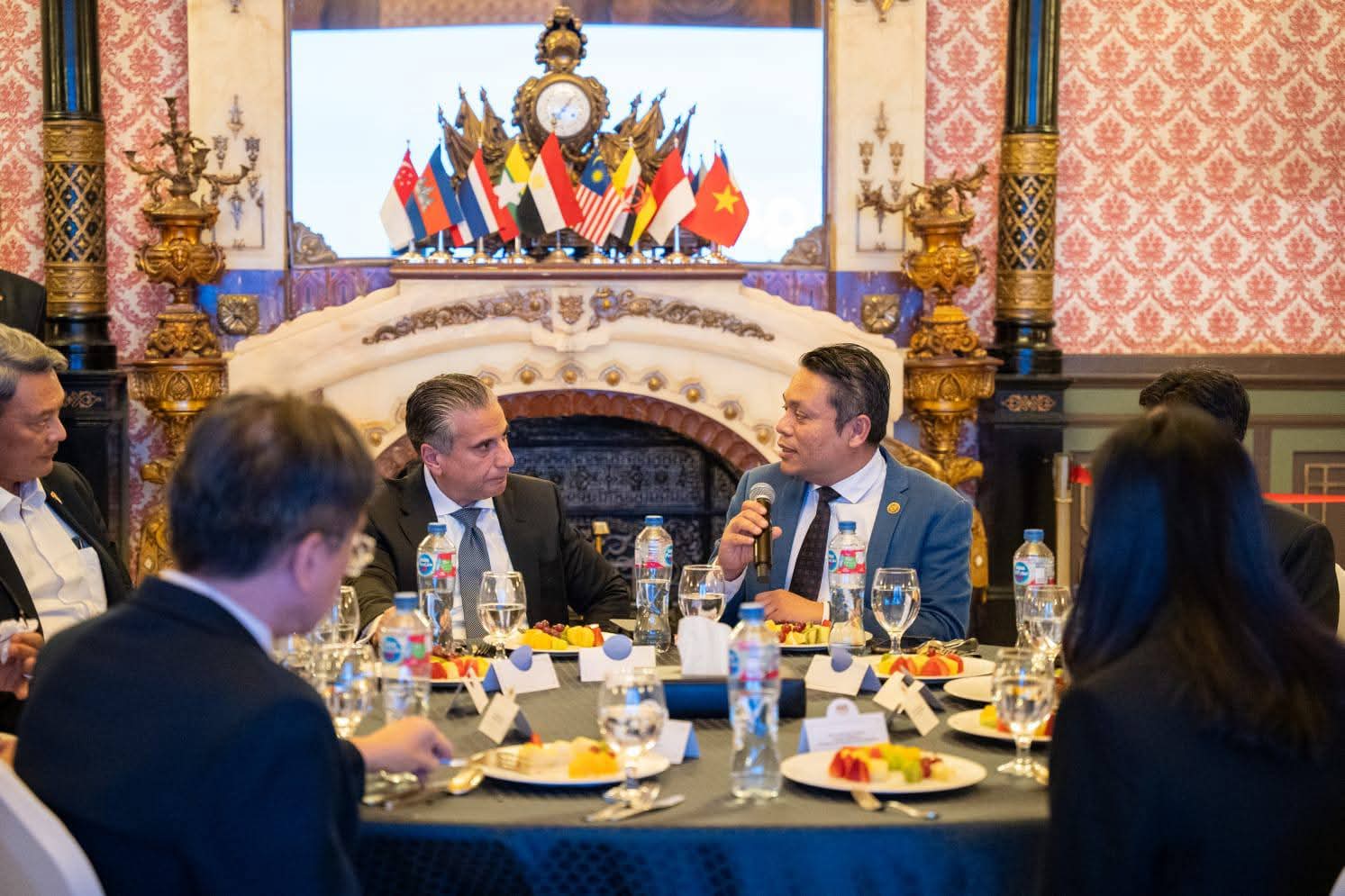
Key pillars include:
- Containing regional escalation
- Maintaining open channels with all actors
- Preventing spillover into wider conflict zones
This positions Cairo as a quiet guarantor of regional balance, especially amid fluctuating global alignments.
2. ASEAN: Egypt’s Gateway to a Rising East
Engagement with representatives of ASEAN signals a broader strategic recalibration:
- Diversifying partnerships beyond traditional Western axes
- Tapping into Southeast Asia’s dynamic economies
- Expanding Egypt’s diplomatic footprint in Asia
This marks a transition from geography-driven diplomacy to opportunity-driven engagement.
3. Aviation as Soft Power: More Than Connectivity
Malaysia’s proposal to revive direct Cairo–Kuala Lumpur flights, including potential involvement by AirAsia, carries layered implications:
- Boosting tourism and business mobility
- Facilitating trade and investment flows
- Strengthening people-to-people connections
In this context, aviation becomes not just transport—but a tool of soft diplomacy and economic integration.
Conclusion: A Diplomacy of Bridges, Not Barriers
Within Cairo’s diplomatic halls, a broader doctrine is taking shape:
de-escalation in politics, openness in economics, and proximity among peoples.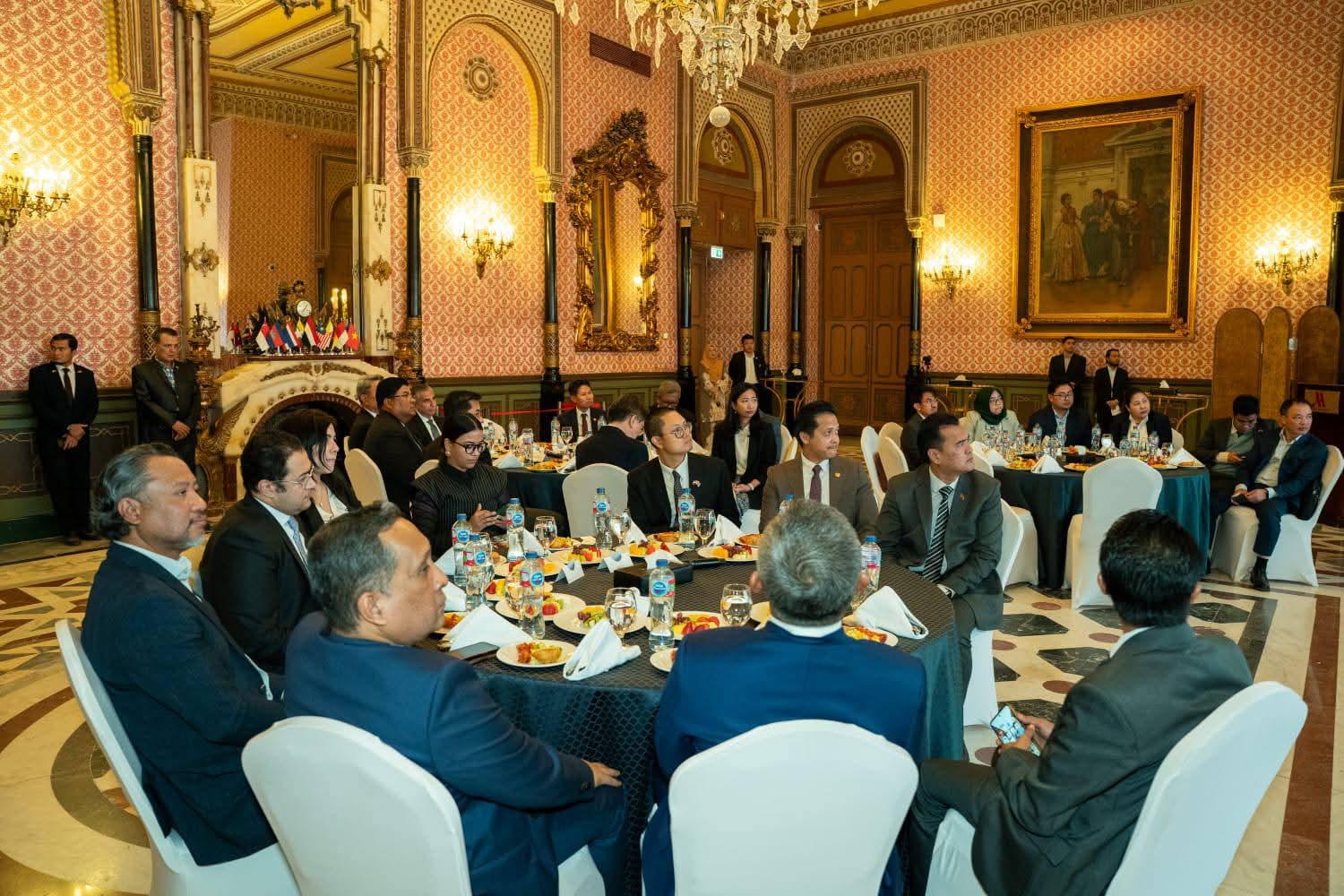
Egypt is subtly redefining its role—not as a party to tensions, but as a “weaver of balance”, extending quiet yet firm threads from the Nile to the horizons of Asia.