 Ashraf AboArafe writes
FOLLOWING 13 consecutive nights of bombardment, the abrupt halt in American military strikes against Iranian targets marks a critical pivot in the ongoing escalation. The situation outlines six distinct theories explaining this unexpected pause, framing it through the lenses of geopolitical calculus, economic anxiety, and domestic political pressure.
Below is an examination of the core themes and the six potential drivers behind the sudden lull in operations:
Key Themes & Strategic Context
-
Political Realities vs. Escalation: Donald Trump’s pragmatic concerns—specifically domestic economic fallout (e.g., gas prices spiking toward $4/gallon) and the political risk to Republican prospects in upcoming midterm elections—create significant pressure to halt open-ended military engagements.
-
The Cost of Prolonged Attrition: Iranian forces demonstrate a high tolerance for structural damage, whereas the U.S. and its regional allies face fragile economic and logistical exposure during prolonged asymmetric warfare.
-
Deterrence Dynamics: Explicit Iranian warnings regarding strikes on Tel Aviv, critical regional energy nodes, and the total blockade of the Bab al-Mandab Strait by Houthi forces act as a heavy tactical deterrent.
Breakdown of the 6 Hypotheses
| Hypothesis | Primary Driver |
| 1. Strategic Risk | Domestic inflation fears & risk of triggering an uncontainable regional war. |
| 2. U.S. Casualties | Mounting troop casualties & forced redeployments across borders. |
| 3. Munitions Strain | Depleted Tomahawk stocks & damage to key launch/radar systems. |
| 4. Diplomacy | Active mediation channels open through Qatar and Pakistan. |
| 5. Strategic Reset | A temporary pause to re-arm before a joint U.S.-Israeli offensive. |
| 6. Entrapment | Strategic media leaks designed to drag reluctant Gulf nations into direct conflict. |
1. Strategic Attrition & Domestic Economic Backlash
A prolonged campaign yields diminishing returns for Washington. While Iran absorbs infrastructure loss, American consumers feel immediate pain at the pump. Facing threats to Tehran’s vital assets, Iran’s capability to target global energy chokepoints and regional capitals turns further military escalation into a net negative for U.S. strategic interests.
2. Rising Tactical Losses & Force Redeployment
Physical U.S. losses—including casualties, hit installations, and damaged radar arrays—have forced operational shifts. Moving military personnel from Gulf bases into Jordan, and subsequently toward Israel, indicates a defensive realignment under direct threat.
3. Critical Depletion of Munitions
High-intensity campaigns consume precision-guided munitions like Tomahawk cruise missiles faster than production rates allow. The necessity of flying long-range B-1 bombers from bases in the UK points to depleted local stockpiles and logistical bottlenecks across forward-deployed naval fleets.
4. The Diplomatic Interlude
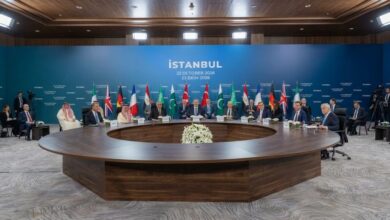
Quiet diplomacy remains active behind the scenes. With backchannel negotiations facilitated by regional mediators in Qatar and Pakistan, the operational silence offers a tactical window to test the waters for a negotiated pause or structured de-escalation.
5. Re-Arming Before a Joint Escalation
This view treats the pause not as peace, but as preparation. Following a pattern of abrupt tactical shifts, Washington may be taking time to restock precision arsenals and coordinate with Israeli forces before launching a much heavier combined strike should diplomatic demands fail.
6. Regional Entrapment & Intelligence Operations
The most complex motive involves pulling neutral actors into the arena. By leaking intelligence alleging secret Gulf involvement in strikes against Iran, the goal may be to destroy Gulf neutrality and force regional powers into a unified bloc against Tehran—a strategy the Gulf states have actively resisted.
Anyway, military force inevitably collides with logistical reality, domestic politics, and regional deterrence. Whether this quiet signals a shift toward diplomatic resolution or merely serves as the calm before a much larger storm remains the key question shaping the region’s immediate future.