Ashraf AboArafe
In a bid to foster deeper mutual understanding, Egypt and Russia have held high-level talks focused on expanding literary translation, particularly bringing iconic and contemporary Russian works to Arabic readers.
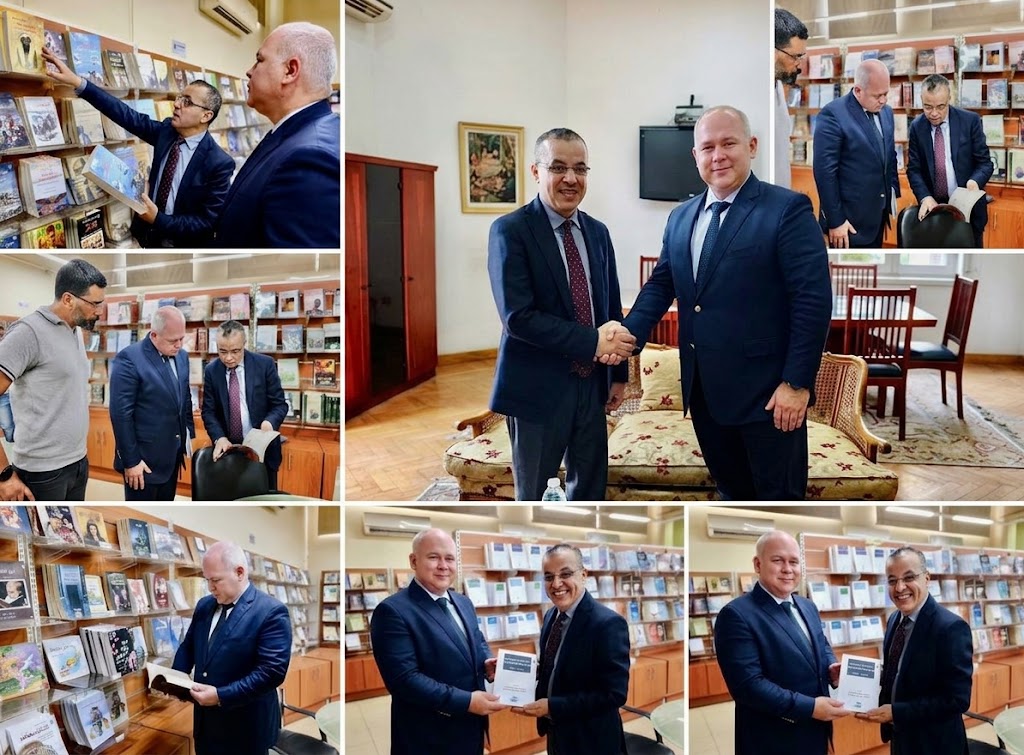
On August 18, Vadim Zaytsev (Director of Russian Cultural Centers in Egypt) met with Dr. Mohamed Nasr El-Gebali (Director of the National Center for Translation at the Egyptian Ministry of Culture) to discuss new avenues of cultural cooperation. Both parties highlighted the crucial role of translating literature and thought in forging strong cultural ties and promoting dialogue between the two nations.
A Shared Legacy of Literature
As one of the most prominent specialized translation hubs in Egypt, Africa, and the Middle East for nearly two decades, the National Center for Translation boasts a formidable record:
-
~4,000 Total Works: Translated and published across various disciplines.
-
50+ Russian Works: Rendered into Arabic in collaboration with leading Egyptian translators.
-
Diverse Catalog: Ranging from timeless Russian literary classics to works by modern contemporary thinkers.
During the visit, Dr. El-Gebali guided Mr. Zaytsev through the Center’s bookstore, showcasing its latest publications—with a special emphasis on Russian literary translations.
Looking Ahead: Expanding Horizons
Both sides expressed enthusiasm for growing this literary partnership:
-
The Egyptian Perspective: Dr. El-Gebali emphasized Egypt’s desire to step up Russian-to-Arabic translations in the coming period, enriching the Egyptian cultural landscape and broadening access for local readers.
-
The Russian Perspective: Mr. Zaytsev underscored the importance of bringing Russian authors closer to Egyptian audiences, noting that a richer availability of Russian literature will naturally spark greater interest in learning the Russian language and discovering its rich culture.
This collaboration reinforces the long-standing, historic cultural relationship between Egypt and Russia—where translation continues to serve as an enduring bridge between two vibrant traditions.