Ashraf AboArafe
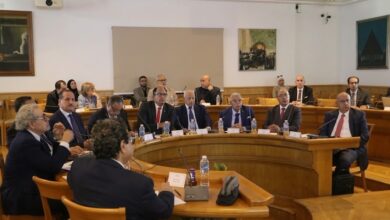
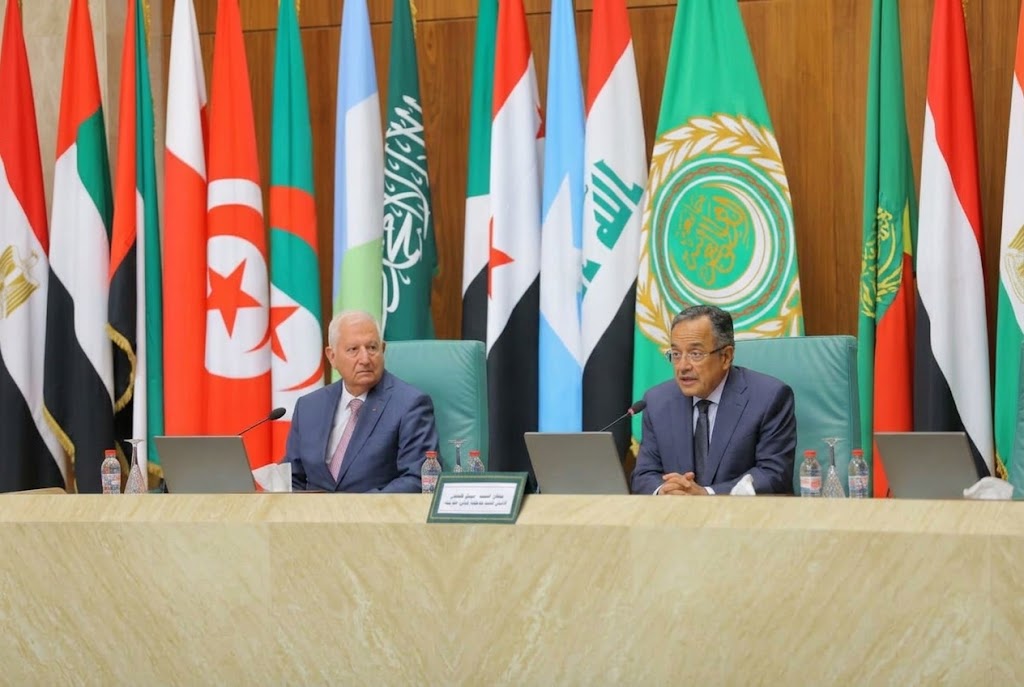
THE launch of the fourteenth Arab Cultural Development Report, devoted to Arab Food and Water Security: Accumulating Crises and Promising Initiatives, places two of the Arab world’s most consequential strategic challenges at the heart of the policy debate: water and food security.
The participation of Nabil Fahmy, Secretary-General of the League of Arab States, gives the report a distinctly political dimension. His central message was that research and ideas must not remain confined to reports and conferences; they must be translated into policy, institutions and practical mechanisms for joint Arab action.
At the core of Fahmy’s remarks is a broader understanding of national security. Water and food are no longer merely development or economic issues. They are closely connected to sovereignty, stability, climate pressures, economic resilience and social security. His assertion that water and food should never be used as instruments of war or political pressure places humanitarian security alongside traditional concepts of national security.
From crisis management to crisis anticipation
Perhaps the most significant element of the speech is the call to move from reacting to crises after they erupt toward anticipating and preparing for them.
The proposed development of an Arab early-warning and foresight system is important in this context. Such a mechanism could connect indicators related to water, food and climate security with political, economic, social and security developments. The underlying idea is that a drought, water shortage or disruption in food supplies should not be treated as an isolated event, but as part of a wider chain of risks capable of affecting regional stability.
This approach also shifts the meaning of Arab cooperation. Instead of cooperation being limited to political declarations after a crisis, the emphasis is on building shared capabilities before the crisis arrives.
From knowledge to collective capacity
The report’s significance therefore extends beyond documenting existing challenges. Its greater value lies in whether its research and recommendations can become instruments for decision-making.
Fahmy’s concluding message is particularly relevant: the launch should be a starting point rather than an endpoint. The real test lies in converting intellectual work into practical proposals capable of strengthening Arab institutions and mechanisms.
The challenge is formidable. Arab states possess different water resources, agricultural capacities, economic conditions and exposure to climate pressures. Yet precisely because these capabilities are unevenly distributed, coordination, knowledge-sharing and collective preparedness become increasingly important.
Ultimately, the report places a simple but profound equation before Arab policymakers: water sustains the land, food sustains the people, and foresight sustains the future.
The meeting in Cairo therefore carries a message extending beyond the launch of a publication: Arab food and water security must evolve from a collection of national concerns into a shared strategic horizon—where knowledge becomes policy, policy becomes cooperation, and cooperation becomes resilience.