Ashraf AboArafe
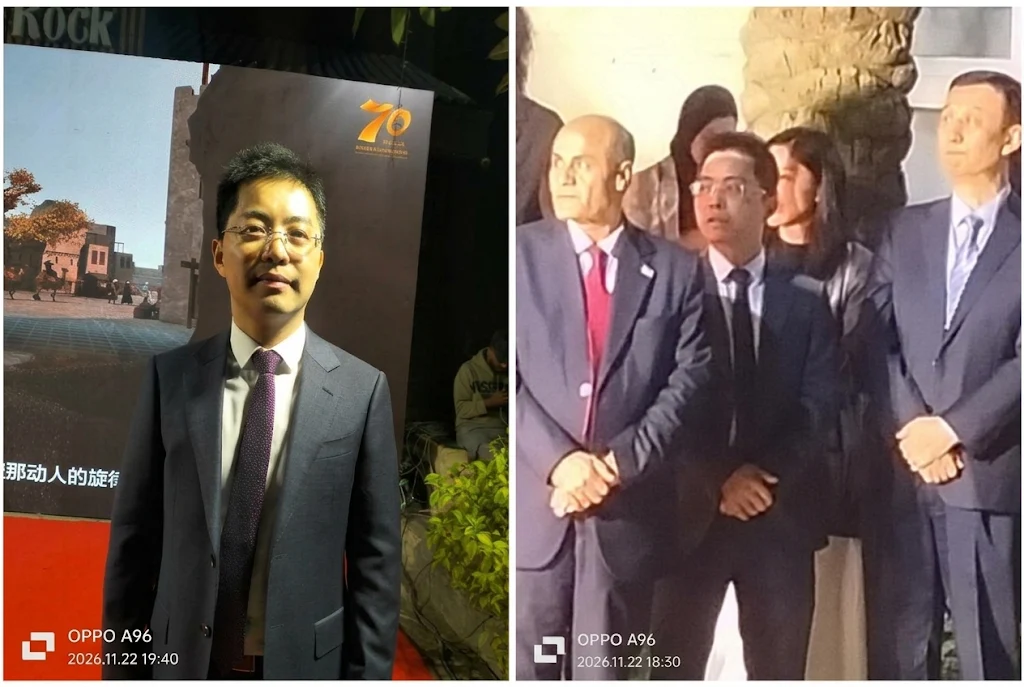
Chinese Minister LI Qin: Food is a bridge between civilizations, while Xinjiang reflects the richness of cultural heritage, economic development and openness to the world.
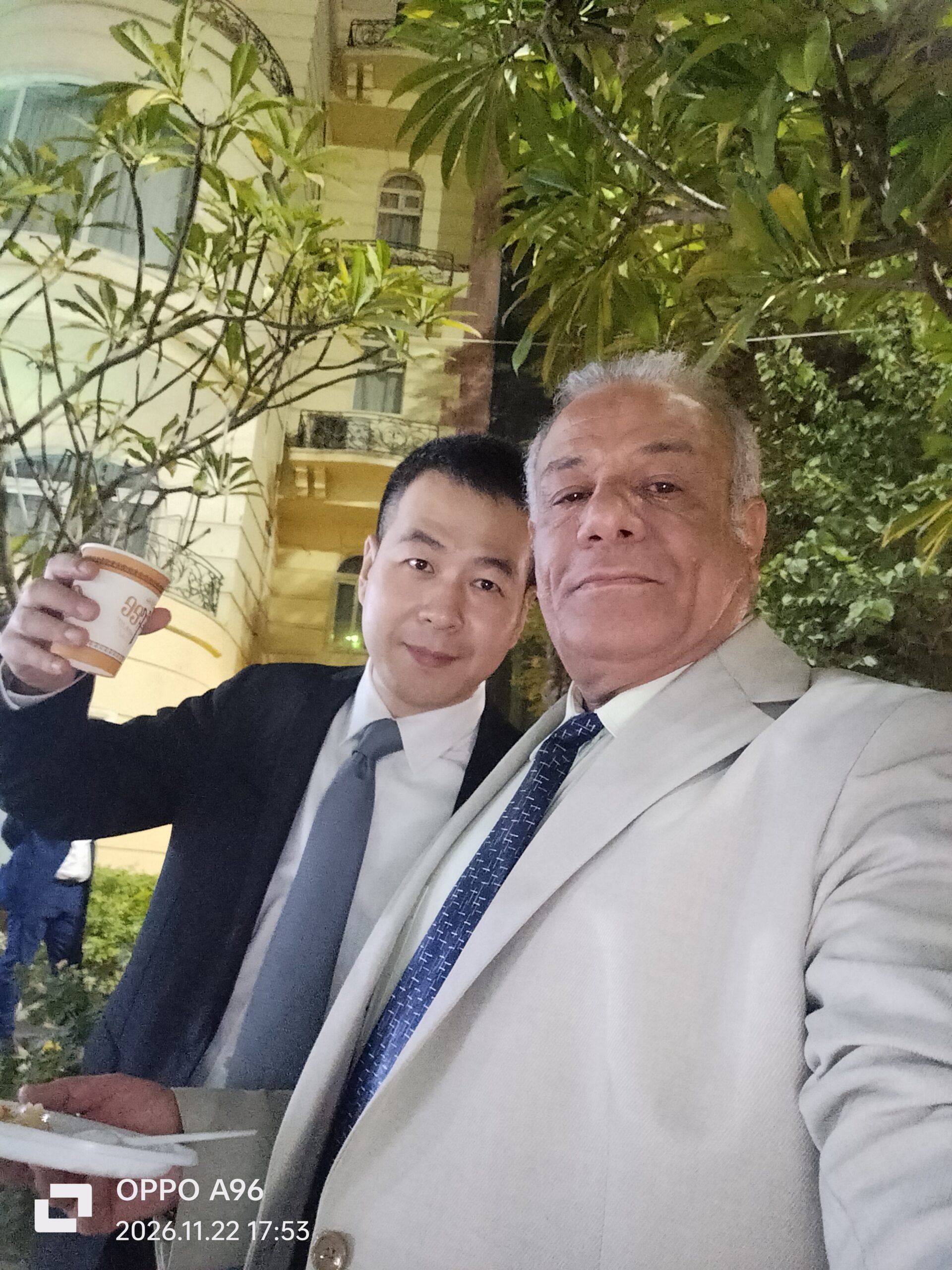
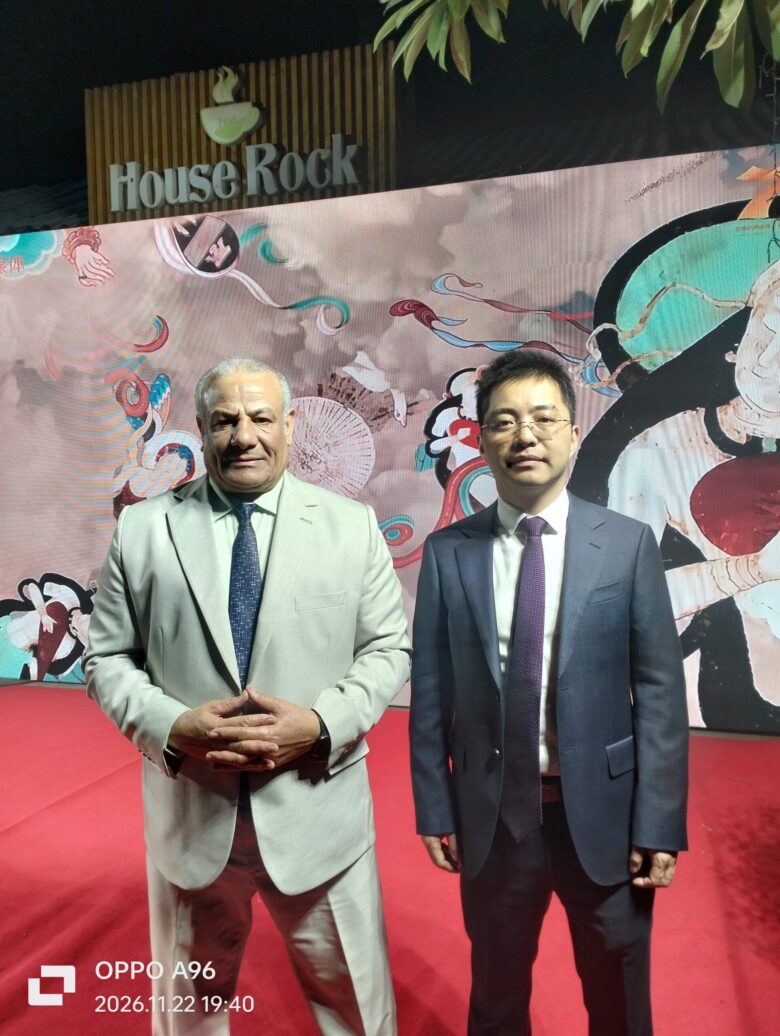
IN a celebration bringing together the flavours of history and the spirit of modern cultural exchange, Egypt hosted a festival showcasing the traditional cuisine of China’s Xinjiang region. The event went beyond introducing Chinese culinary traditions, offering a broader perspective on Xinjiang’s cultural diversity, economic and social development, and the opportunities for strengthening Egyptian-Chinese friendship.
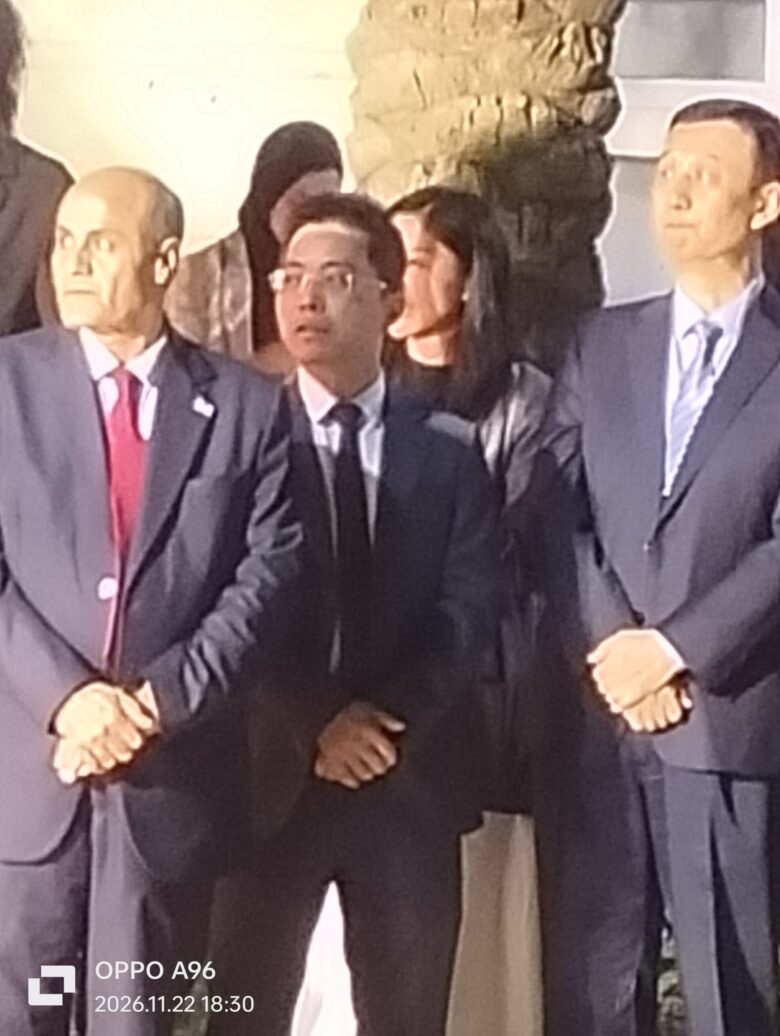
In his address, Chinese Minister LI Qin emphasized that food is not merely a source of nourishment, but a bridge between civilizations, a living reflection of history and a treasure of human culture.
He recalled the more than 2,000-year history of the ancient Silk Road, which served not only as a commercial route for silk and porcelain, but also as a channel for exchanging spices, food ingredients, culinary techniques and cultural traditions among different peoples.
LI Qin highlighted the longstanding historical and cultural connections linking China, Xinjiang and Egypt, stressing that shared heritage and people-to-people exchanges provide an important foundation for bringing the two nations closer together.
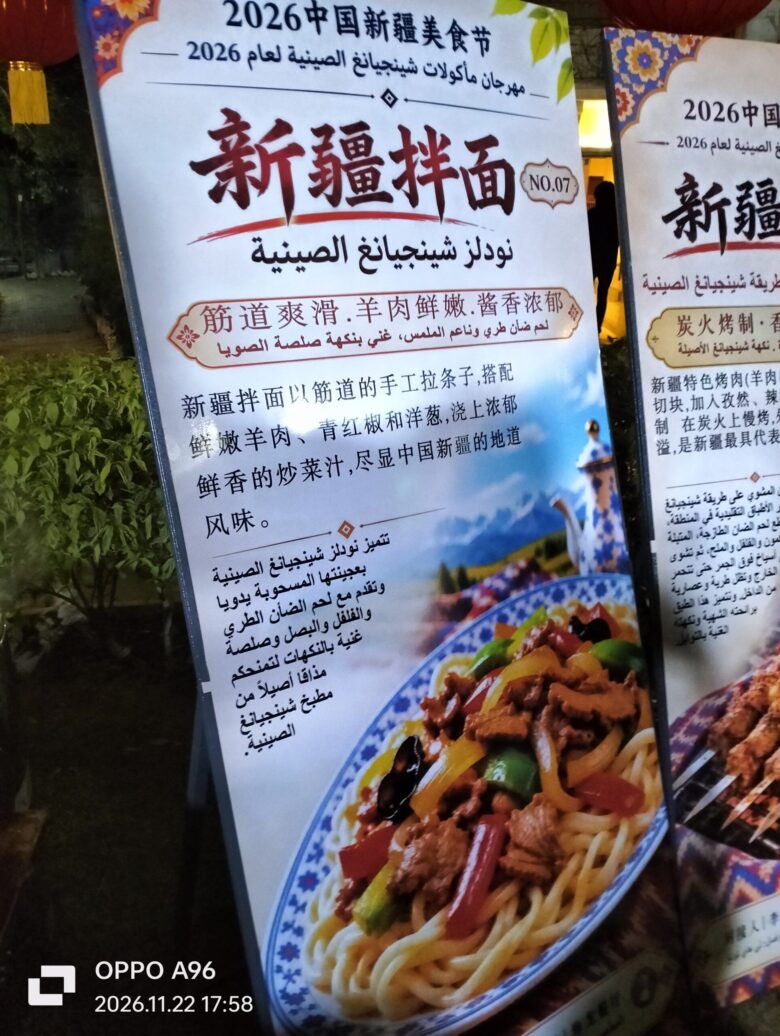
The festival featured a variety of traditional Xinjiang dishes, including grilled lamb, meat-filled pastries, fried chicken and other regional specialties, reflecting the richness and diversity of the region’s culinary heritage.
Each dish offered more than a taste of traditional cuisine; it represented a story of cultural identity, historical interaction and the diversity that characterizes Xinjiang.
Xinjiang: Development Beyond Geography
The Chinese diplomat also highlighted Xinjiang’s economic and social development, referring to progress in infrastructure, transportation networks, urban modernization, agricultural development and public services.
He noted that the expansion of railway and road networks has strengthened connectivity between cities and regions, facilitated trade and tourism, and reinforced Xinjiang’s geographical importance as a link between China, Central Asia and neighboring regions.
Tourism has also gained growing importance, supported by Xinjiang’s remarkable natural and cultural attractions, ranging from snow-capped mountains and green grasslands to deserts and modern cities.
Development, he emphasized, should not be measured solely by infrastructure and economic projects, but also by its tangible impact on people’s lives, educational opportunities, social welfare and living standards.
In this context, LI Qin referred to efforts to expand access to education and public services, including free education initiatives, as part of broader efforts to improve livelihoods and support local communities.
He also highlighted the combination of cultural heritage and modernization in Xinjiang, reflected in developments across transportation, agriculture, tourism and the wider economy.
China’s Modernization and Future Prospects
LI Qin also addressed China’s broader development vision, highlighting the importance of governance, the rule of law, anti-corruption efforts, institutional development and high-quality economic growth.
He referred to the role of long-term strategic planning in supporting China’s modernization process and providing an institutional framework for sustainable development and improved living standards.
Egypt and China: Renewing the Spirit of the Silk Road
Regarding Egyptian-Chinese relations, the address highlighted opportunities to expand economic and investment cooperation, particularly by encouraging Egyptian companies to explore the growing potential of Xinjiang.
LI Qin stressed the importance of strengthening commercial and investment partnerships between Egyptian businesses and their Chinese counterparts in the region, creating new opportunities for mutually beneficial cooperation.
He also warmly invited Egyptian friends to visit Xinjiang, discover its magnificent landscapes, experience its cultural diversity and enjoy its distinctive traditional cuisine.
The central message of the celebration was that friendship between nations is built not only through political agreements and economic partnerships, but also through culture, traditions, shared experiences and human interaction.
From the historic Silk Road to today’s expanding economic and cultural partnerships, Egypt and China have significant opportunities to deepen their cooperation in trade, investment, tourism and cultural exchange.
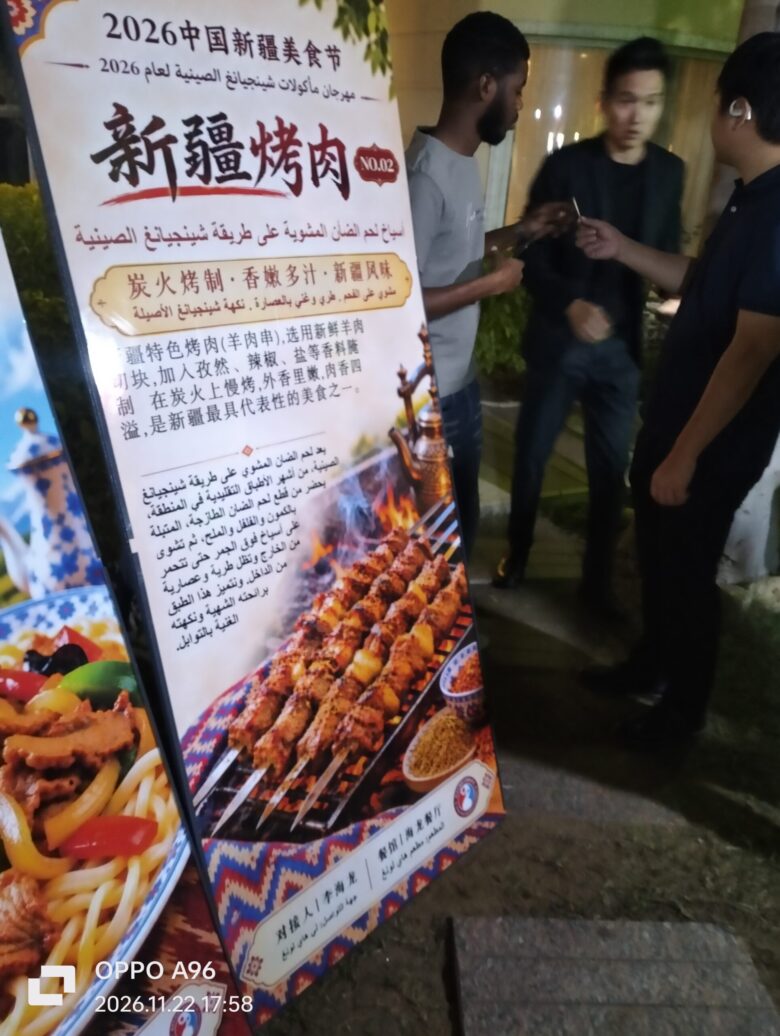
The Xinjiang food festival in Egypt was therefore much more than a celebration of Chinese cuisine. It was a window into an ancient civilization, a message of openness and cultural dialogue, and an invitation to transform the historic friendship between Egypt and China into broader partnerships and shared achievements.