ECONOMY
The Financial Silk Road: Architecture of the SCO’s Economic Shift
Core Drivers of SCO Financial Evolution

Ashraf AboArafe
THE transition from political dialogue to structural economic execution relies on four main catalysts outlined in the text:
-
Scope Expansion: Shift from basic bilateral trade to deep industrial, energy, and digital partnerships requiring long-term capital.
-
Corridor Scale: Multi-nation transport networks and logistics hubs requiring large-scale cross-border infrastructure funding.
-
Economic Heterogeneity: Unifying member profiles—ranging from deep capital markets to landlocked states with high investment needs.
-
External Hedging: Managing global capital volatility and external shocks by expanding national-currency settlements under the 2022 Samarkand Roadmap.
Key Milestone: Strategic Consensus
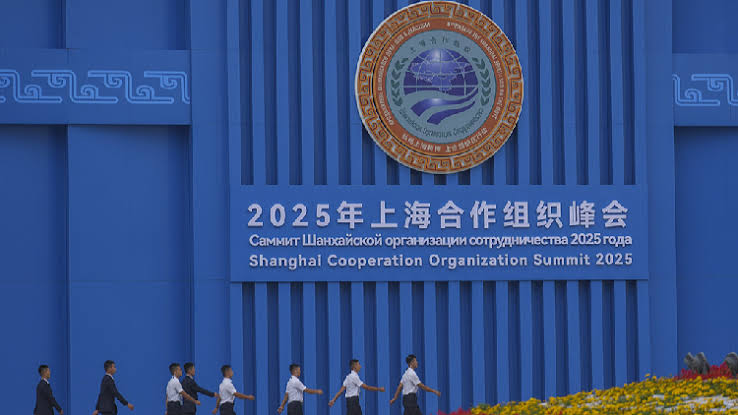
Interested member states reached political consensus on the establishment of an SCO Development Bank at the 25th Meeting of the SCO Council of Heads of State (Tianjin).
The establishment of an SCO Development Bank serves as a cornerstone, but it is not intended to operate in isolation.
                               ┌────────────────────────────────┐
                               │       SCO Development Bank     │
                               └───────────────┬────────────────┘
                                               │
               ┌───────────────────────────────┼───────────────────────────────┐
               ▼                               ▼                               ▼
┌─────────────────────────────┐ ┌─────────────────────────────┐ ┌─────────────────────────────┐
│   SCO Interbank Consortium  │ │ National Development Bodies │ │   Commercial & Private Funds│
└──────────────┬──────────────┘ └──────────────┬──────────────┘ └──────────────┬──────────────┘
               │                               │                               │
               └───────────────────────────────┼───────────────────────────────┘
                                               │
                                               ▼
                               ┌────────────────────────────────┐
                               │   External MDB Co-Financing    │
                               │ (AIIB, NDB, ADB, IsDB, EDB)    │
                               └────────────────────────────────┘
Strategic Implications for Uzbekistan
| Strategic Priority | Economic Mechanism & Impact |
| Transit & Logistics Connectivity | Secures long-term capital for regional infrastructure (e.g., the China–Kyrgyzstan–Uzbekistan railway), leveraging its central geographic position. |
| Industrial Modernization | Expands project-financing access to move up value-added manufacturing chains across regional production networks. |
| Capital Diversification | Complements traditional international financial institutions (IFIs) with sovereign-aligned regional mechanisms to mitigate debt risks. |
Operational Imperatives
Moving from institutional framework to practical delivery requires focusing on specific execution metrics:
-
Utility Over Scale: Financial mechanisms must be evaluated by trade expansion, private capital mobilization, and project velocity rather than institutional footprint.
-
Integrated Ecosystem: Success depends on harmonizing national banking frameworks, digital public finance platforms, and local-currency clearing systems across borders.
-
Project Execution: Translating political consensus into concrete investments that build sustainable industrial capacity across member states.