Ashraf AboArafe
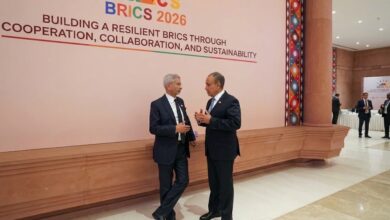
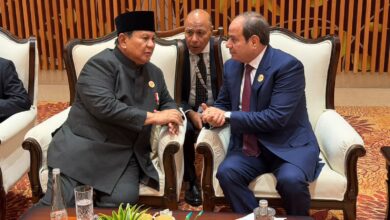
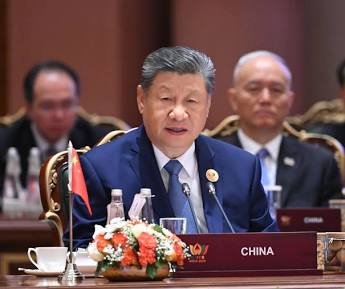
IN a pivotal speech marking the 20th anniversary of BRICS cooperation, President Xi Jinping outlined a comprehensive framework to transition “Greater BRICS” into an active instrument of structural reform for global governance. Emphasizing self-reliance, solidarity, and shared development, the address positions the bloc not merely as an economic mechanism, but as the pioneering vanguard force tasked with shaping a more equitable multipolar world.
Core Themes & Strategic Pillars
1. Innovation-Driven Industrial Modernization
-
Artificial Intelligence as a Strategic Priority: Calls for open-source collaboration, shared applications, and the implementation of the BRICS Initiative for Empowering New-Type Industrialization with AI.
-
Global South Integration: Highlights China’s leadership in establishing the Global AI Cooperation Organization and targeted application centers for BRICS partners.
-
Rejection of Fragmentation: Directly critiques Western geopolitical containment, explicitly rejecting decoupling and supply-chain disruption as well as the isolationist small yard, high fence approach.
2. Security, Sovereignty, and Geopolitical Mediation
-
Adherence to International Order: Demands a return to the purposes and principles of the UN Charter, explicitly rejecting Cold War mentalities, bloc confrontation, and foreign intervention.
-
Middle East & Gulf Stability: Advocates for a four-point framework to de-escalate regional conflicts, stressing a permanent ceasefire and systemic security architecture.
-
Palestine Core Issue: Reaffirms that long-term stability hinges on executing the Two-State Solution and realizing peaceful coexistence.
3. Civilizational Exchange & Soft Power
-
Mutual Learning: Promotes human civilization as a diverse ecosystem, explicitly calling for the rejection of civilizational supremacy in favor of shared global values.
-
Institutionalized Engagement: Emphasizes state governance experience sharing and expanded youth, cultural, and educational exchanges via the BRICS People-to-People and Cultural Exchange Forum.
4. Governance Reform & Multilateralism
-
WTO Protection: Demands the defense of the WTO-centered multilateral trading system, opposing arbitrary tariffs and unilateral sanctions.
-
Frontier Governance: Urges BRICS members to lead norm-setting in emerging domains, specifically the internet, outer space, and the deep sea.
Key Takeaways for BRICS Futures
-
Transition to Action: Marks a shift from membership expansion to deep operational integration across high-tech supply chains.
-
Preparation for 2027 Chairmanship: Sets the strategic foundation for China’s upcoming presidency of the 19th BRICS Summit, aiming to inaugurate the coalition’s third Golden Decade.