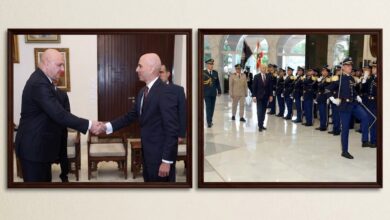
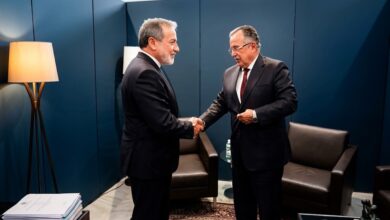
Between Doha’s Silence and Islamabad’s Stage: Who Owns the Keys to Iran–U.S. Peace?

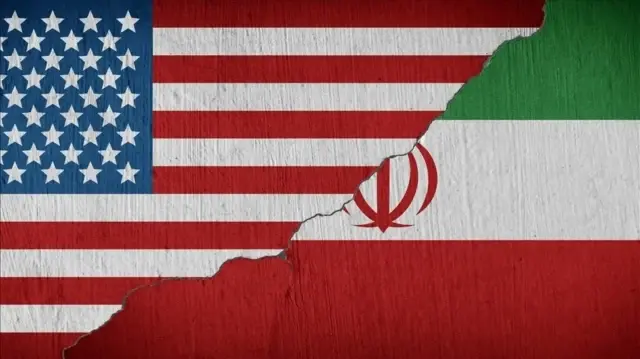
AS tensions between Iran and United States intensify, diplomacy has not disappeared—it has simply changed form. While Pakistan steps into the spotlight by hosting high-profile peace talks, another key player, Qatar, remains notably absent from the stage.
This contrast raises a deeper question: is influence in modern diplomacy measured by visibility, or by the ability to shape outcomes from behind the scenes?
In a region where negotiations often unfold in silence as much as in summits, the absence of Qatar may reveal more about the future of mediation than the talks themselves.
I. A War That Outpaced Its Mediators
The current confrontation between Iran and the United States is no longer a conventional diplomatic dispute—it is a multi-front war reshaping mediation itself.
- Indirect negotiations had already begun in Oman earlier in 2026
- A near-breakthrough collapsed after U.S.–Israeli strikes on Iran
- The conflict expanded across the region, threatening energy routes and global stability (Wikipedia)
👉 In this chaos, diplomacy didn’t stop—it fragmented.
II. Pakistan Steps In: Mediation as Geopolitical Resurrection
Pakistan is not just hosting talks—it is reinventing itself as a global broker.
- It delivered a U.S. 15-point proposal to Iran and relayed responses (AP News)
- It is convening regional powers (Egypt, Turkey, Saudi Arabia)
- It seeks to avoid being dragged into war due to its Saudi ties and Iranian border (The Times of India)
💡 In essence:
Pakistan is using mediation as a tool of strategic survival and international comeback.
III. Qatar’s Strategic Absence: Silence as Influence
Here lies the paradox:
Qatar—the region’s most experienced mediator—is absent by choice, not by exclusion.
Recent official statements confirm:
- Qatar is “not directly mediating” these talks (Reuters)
- Yet it remains in active contact with Washington and regional actors
This is not withdrawal—it is repositioning.
IV. Why Qatar Stays Out (For Now)
1. Preserving the “Doha Channel”
Qatar historically mediates through:
- Quiet, bilateral backchannels
- Controlled negotiation environments
Joining Pakistan’s open forum risks:
- Losing its signature diplomatic leverage
- Becoming one mediator among many
2. Conflict of Mediation Architectures
- Pakistan model: multilateral मंच (stage diplomacy)
- Qatar model: closed-door precision diplomacy
👉 These are competing philosophies, not complementary ones.
3. Qatar’s Unique Position with Iran
Qatar maintains:
- Friendly, functional ties with Iran (shared gas field, coordination history)
- A record of successful U.S.–Iran mediation (e.g., prisoner swaps)
Joining a forum perceived as:
- Too aligned with U.S. pressure
- Or too public
…could erode Tehran’s trust in Doha.
4. Avoiding a Crowded Diplomatic Battlefield
Right now, mediation is not unified:
- Pakistan, Oman, Turkey, Egypt—all active
- Competing proposals (U.S. vs Iranian plans) (AP News)
👉 Qatar avoids entering a diplomatic “traffic jam” where influence gets diluted.
V. The Deeper Reality: Multipolar Mediation
What we are witnessing is not just a crisis—but a transformation:
Peace diplomacy is no longer monopolized—it is contested.
- Oman → technical mediator
- Pakistan → political convenor
- Qatar → shadow negotiator
Each operates in a different layer of the same conflict.
VI. Final Insight
Qatar’s absence is not a gap—it is a signal:
When diplomacy becomes too loud, Doha prefers to whisper—
because in Middle Eastern geopolitics, whispers often travel further than summits.